Leaf Plates of Nepal (Tapari, Duna, Bota)
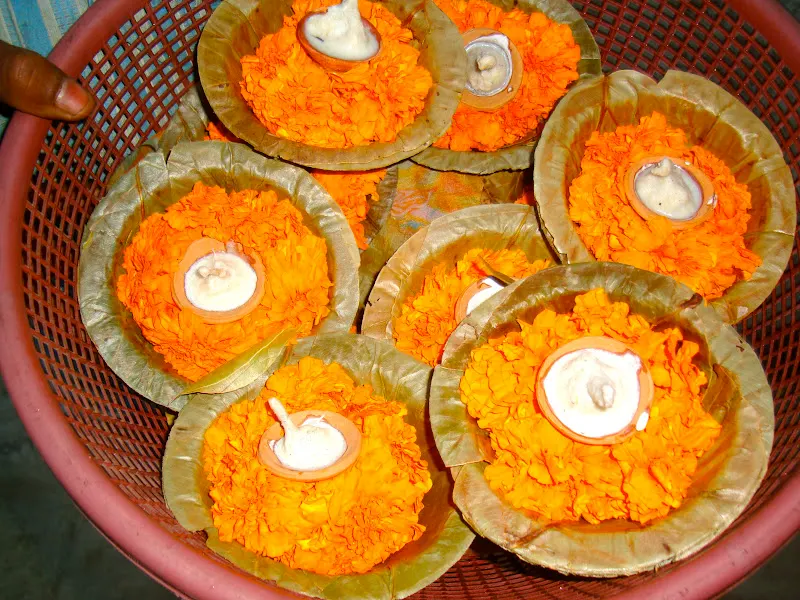
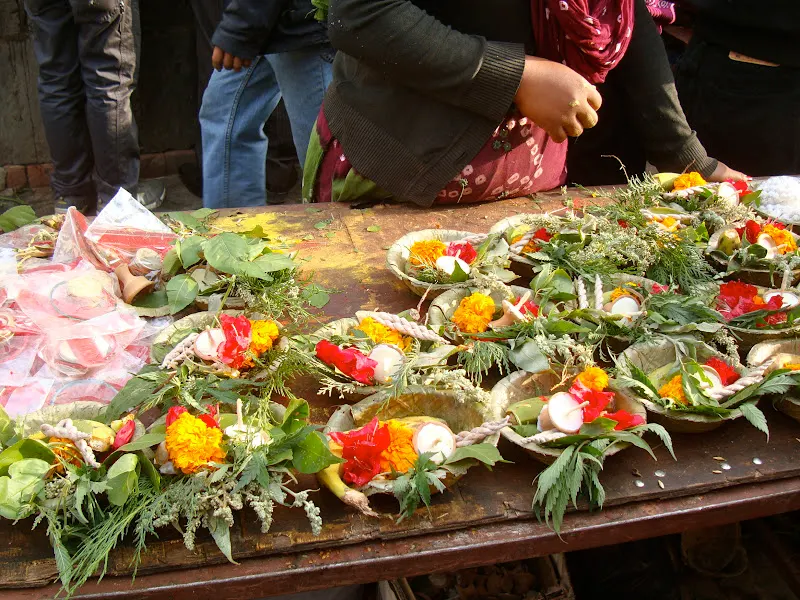
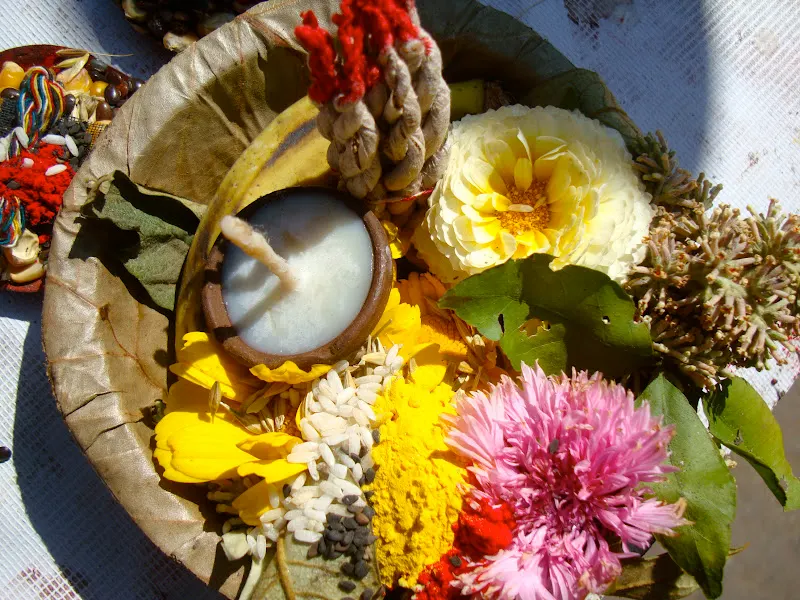
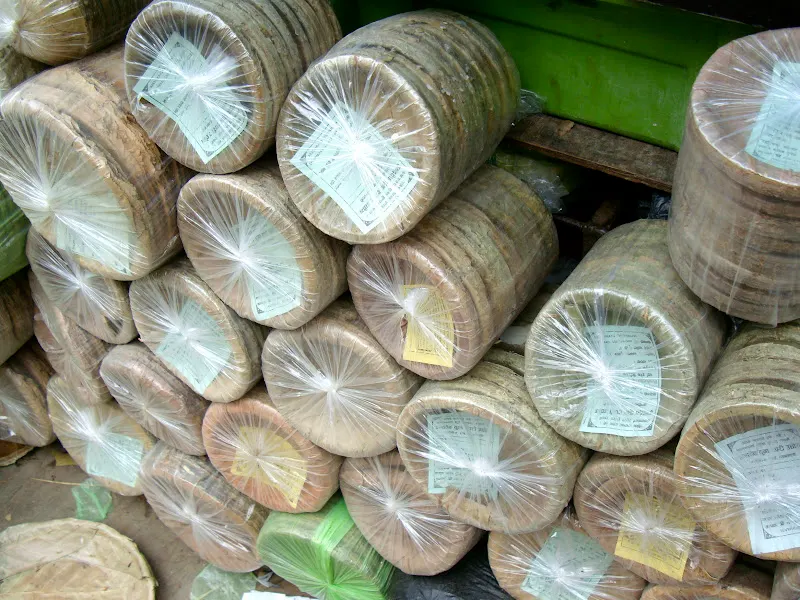
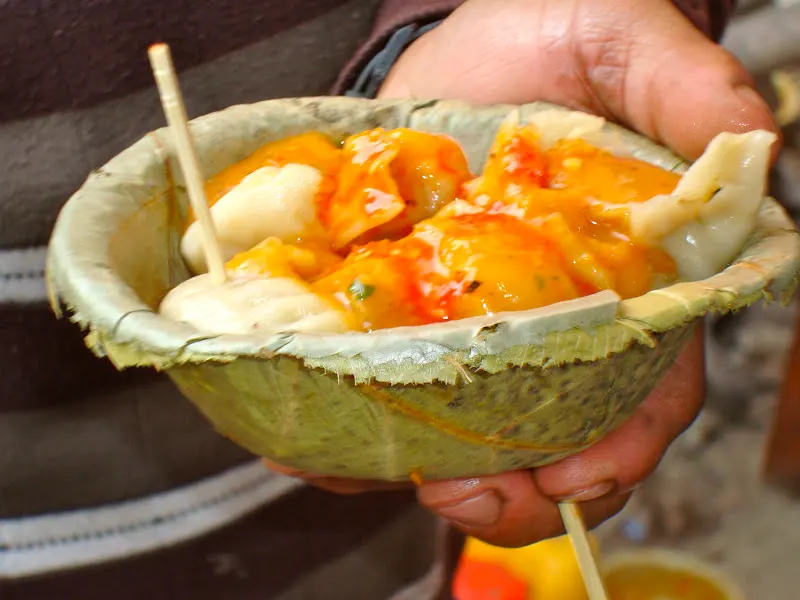
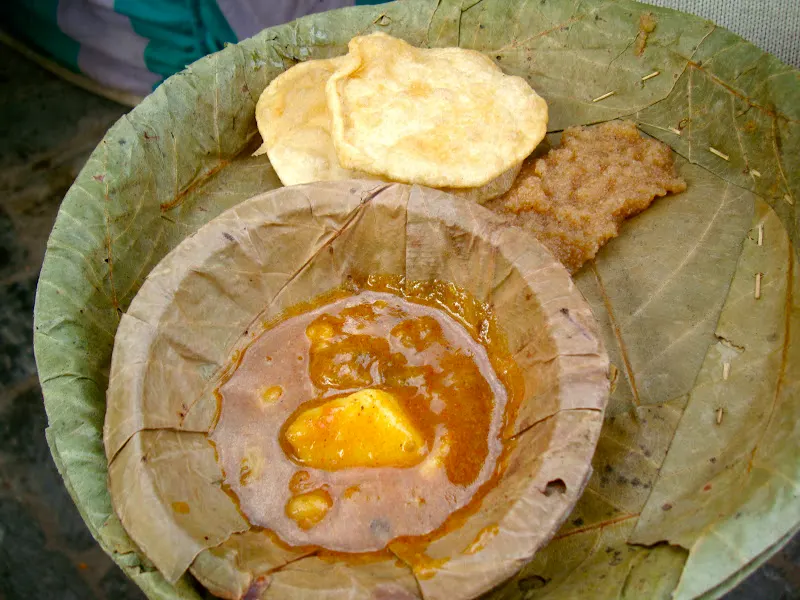
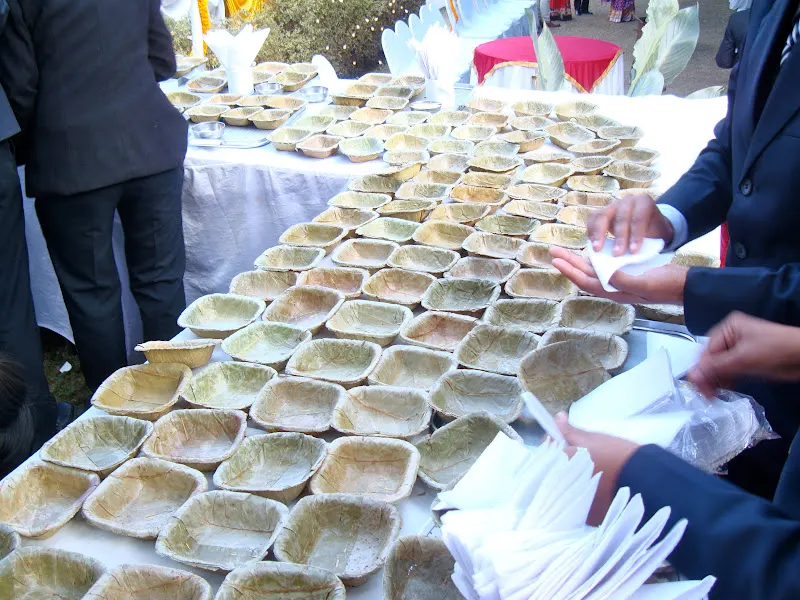
Tapari, Duna and Bota are the disposable, multipurpose leaf plates and bowls made by stitching Saal ko Paat with a small bamboo sticks. Saal trees (Shorea Robusta) are most commonly found in the Terai regions of Nepal and are used for timber, fuel woods. The leaves are used for plates and animal feeds, while the seeds and fruits have Ayurvedic medicinal use. Nepalese use the fresh leaf plates and bowls for many occasions, including religious rituals, child's rice feeding ceremony, many festival feasts (bhoye), and marriage ceremony. The dry saal leaf plates are mostly used for picnics, restaurant use, village parties, and at the street food stalls as a disposable plates.
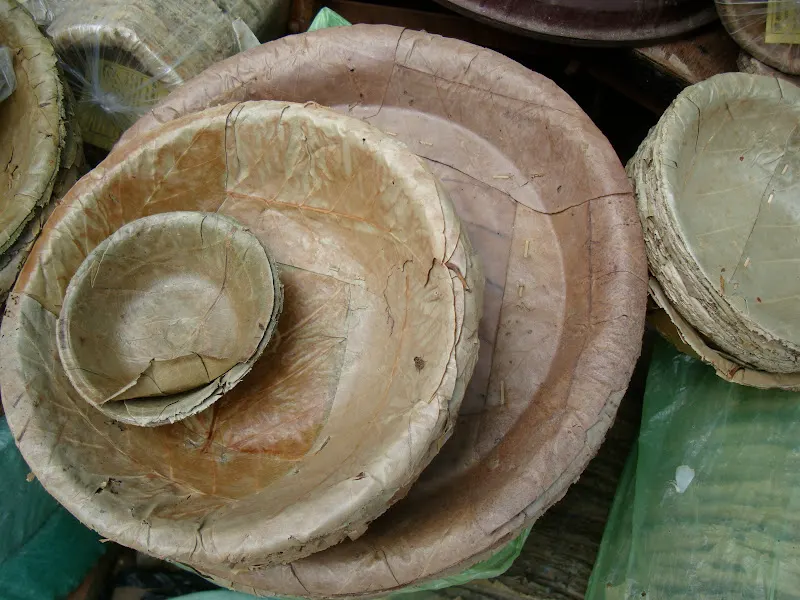
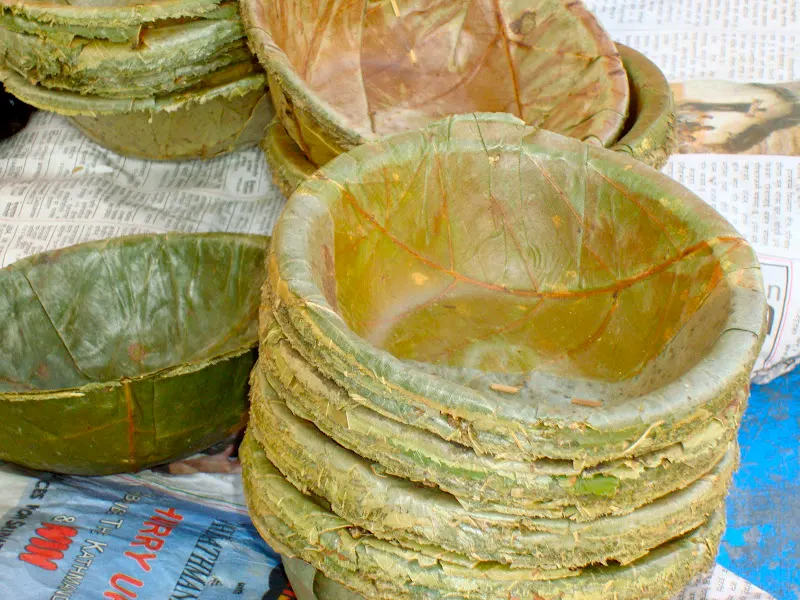
Tapari - is a lightly curved plate made by stitching several saal leaves together with a fine bamboo sticks (sinka). The shiny fresh green leaves are very flexible and have a lot of moisture, making it easy to twist, squeeze, and shape into plates without breaking the leaves.
Duna - is a medium-size bowl, either circular or rectangular and can be used to hold semi-liquid objects.
Bota - is usually made by using a single saal leaf, stitched together into small bowl.
Religious significance - In Buddhist tradition, it is said that Queen Māyā of Sakya gave birth to Gautama Buddha under a saal tree or an ashoka tree in a garden in Lumbini, in south Nepal, while grasping its branch. When this event took place, Queen Māyā was en route to birth him in his grandfather's kingdom. It is also said that four pairs of saal trees growing around the Buddha's bed suddenly turned white when he died. Source - http://en.wikipedia.org/wiki/Shorea_robusta
Nyatapola Temple - In Kathmandu Valley of Nepal, one can find typical Nepali pagoda temple architectures with very rich wooden carvings, and most of the temples, such as Nyatapol Temple (Nyatapola), are made of bricks and saal tree wood. Source - http://en.wikipedia.org/wiki/Shorea_robusta
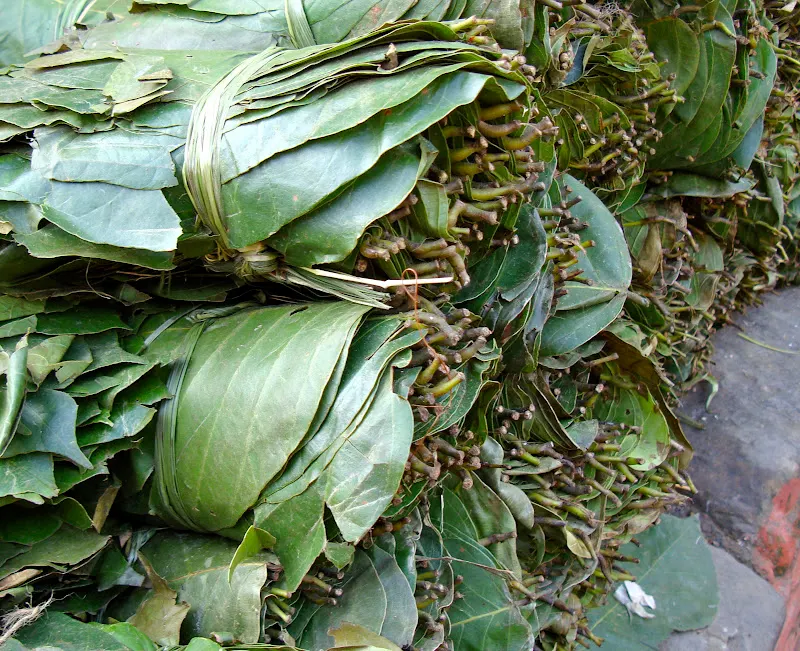
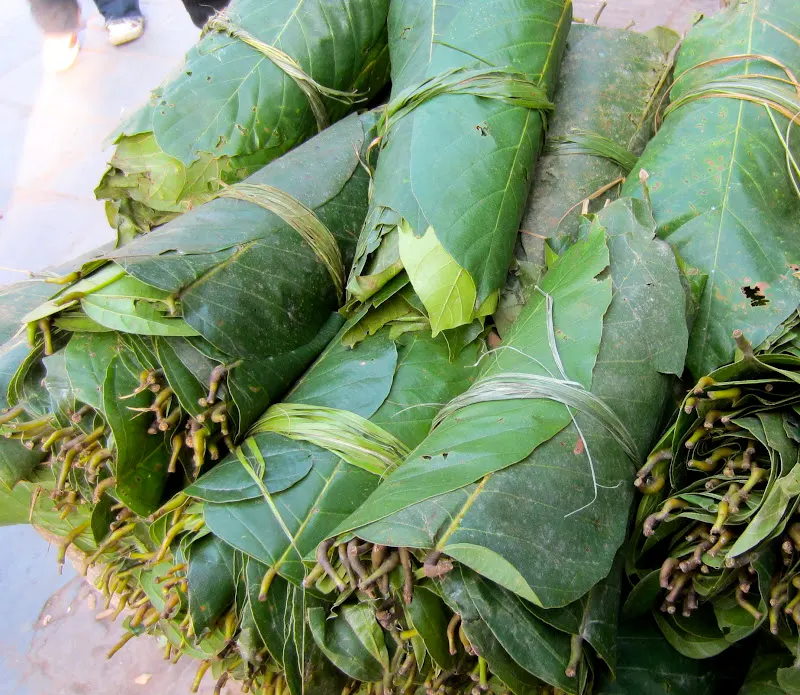
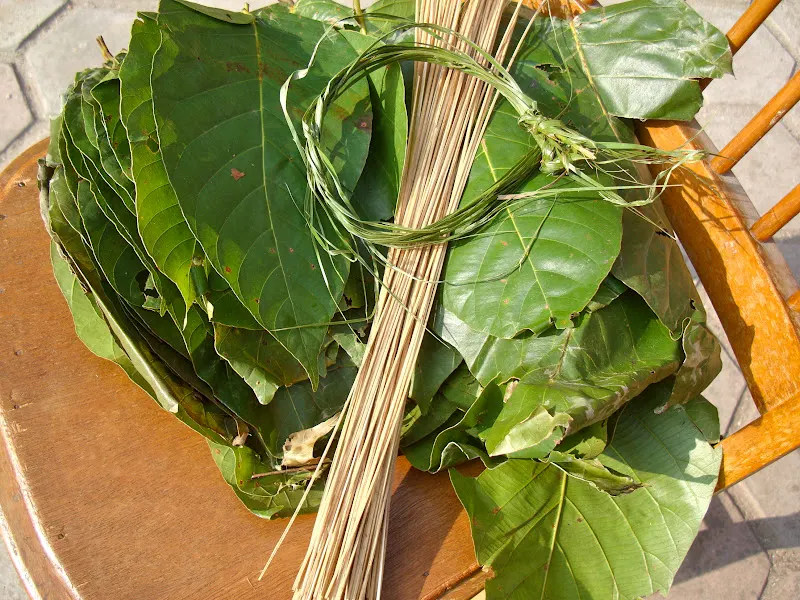
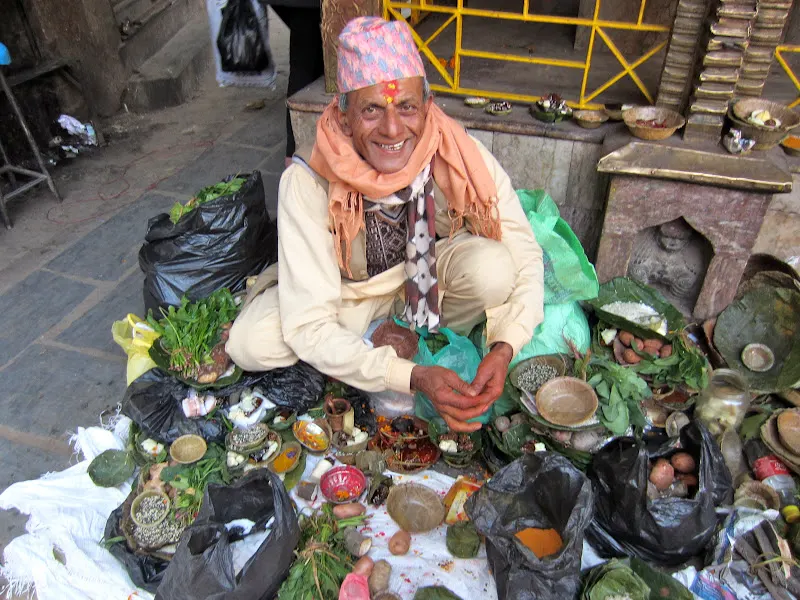
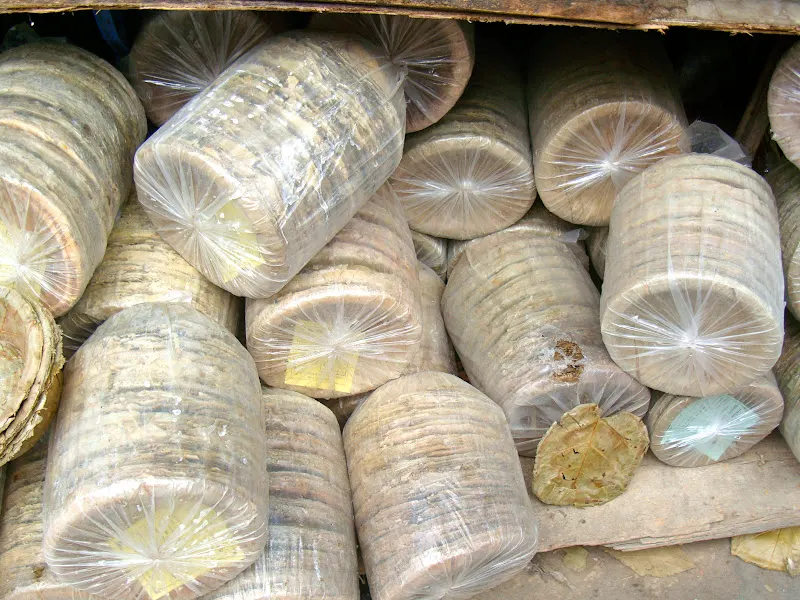
The shiny dark-green saal ko paat is collected by hand-picking from the lower branches of the tree. Some freshly fallen leaves are also collected from the ground. It is then neatly stacked together, tied with a thin bamboo rope and made into bundles, then taken to the market for sale or supplied to a different vendors.
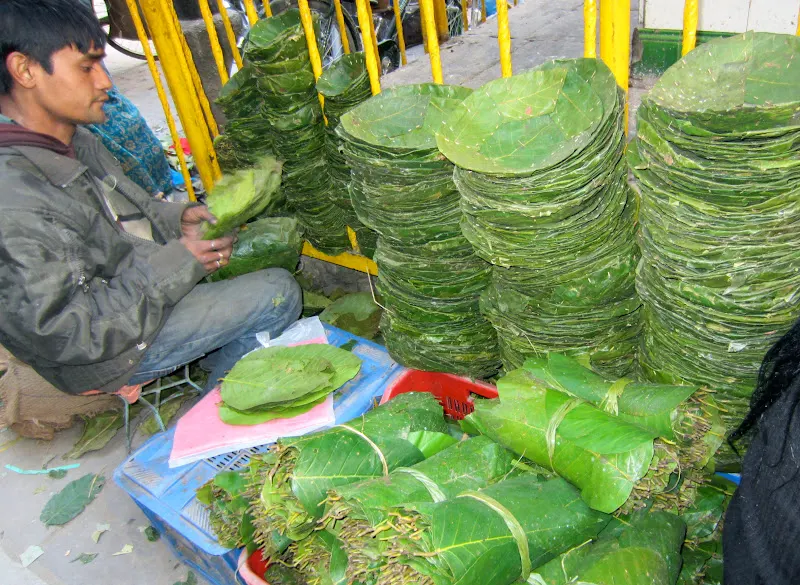
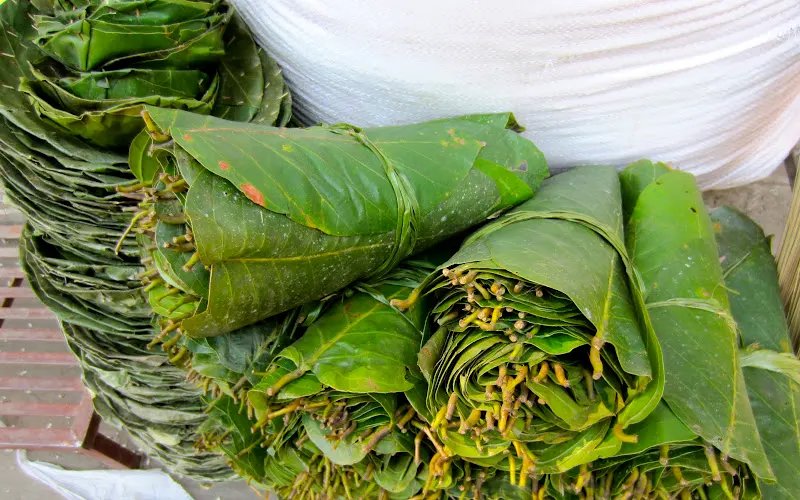
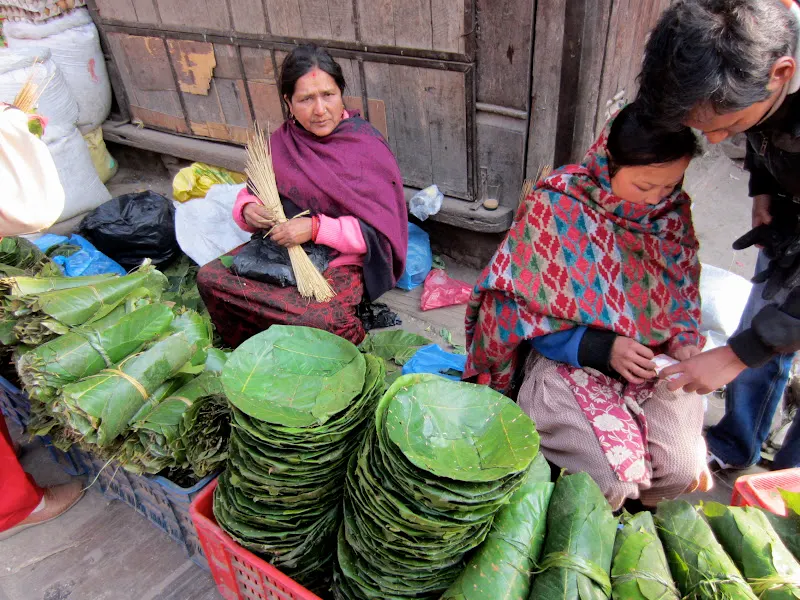
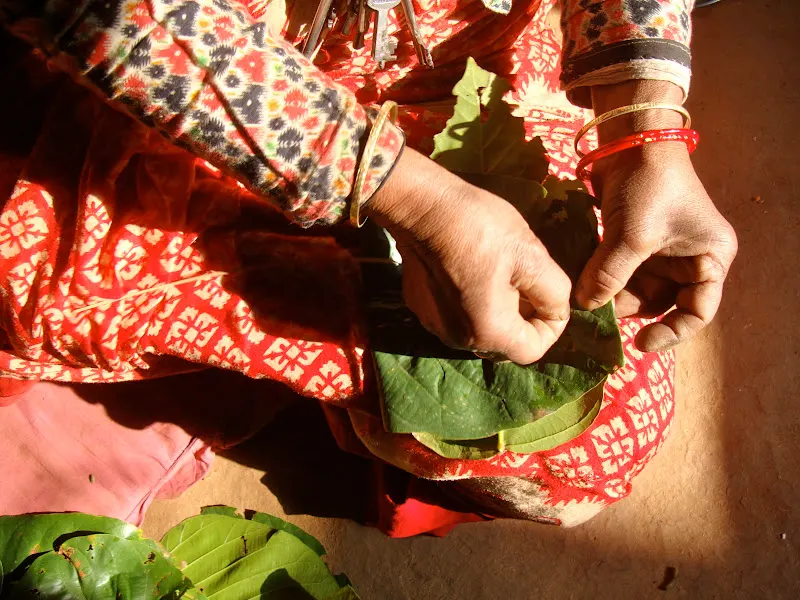
Krishna Maya Prajapati is demonstrating how to create traditional leaf plates. She is using 12 leaves to make a medium-size tapari. Starting with the center part first, she places two leaves in the middle, then arranges other leaves in a circular pattern (like a plate). She stitches and attaches all the pieces securely with 1/2 inch bamboo sticks creating a flat circular plate. She holds the flat leaf with one hand, squeezes and folds with other hand to make a slightly curved plates that is secured with a bamboo stick.
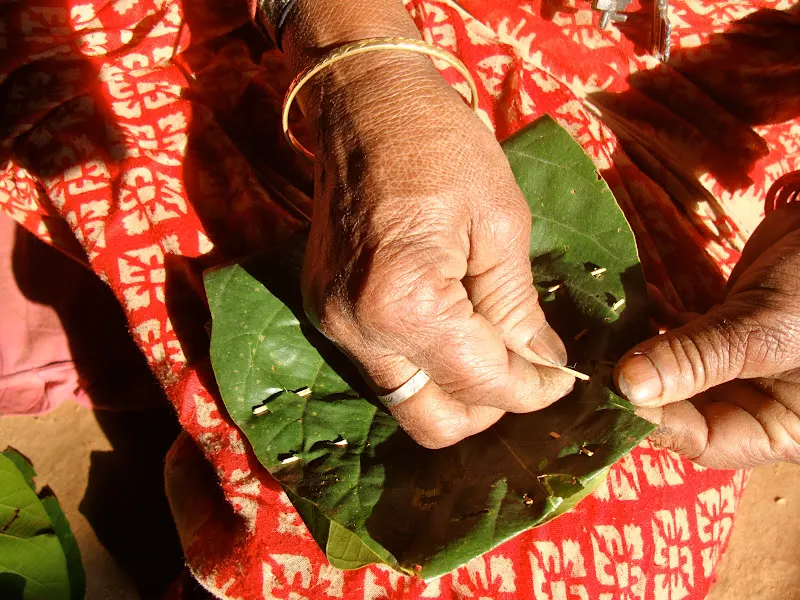
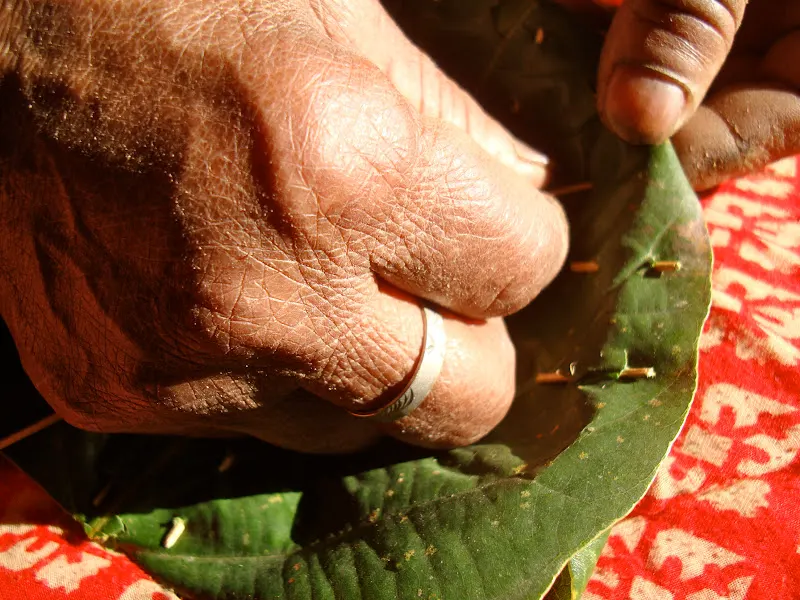
The shiny side of the leaves are placed faced up on top of the other leaf.
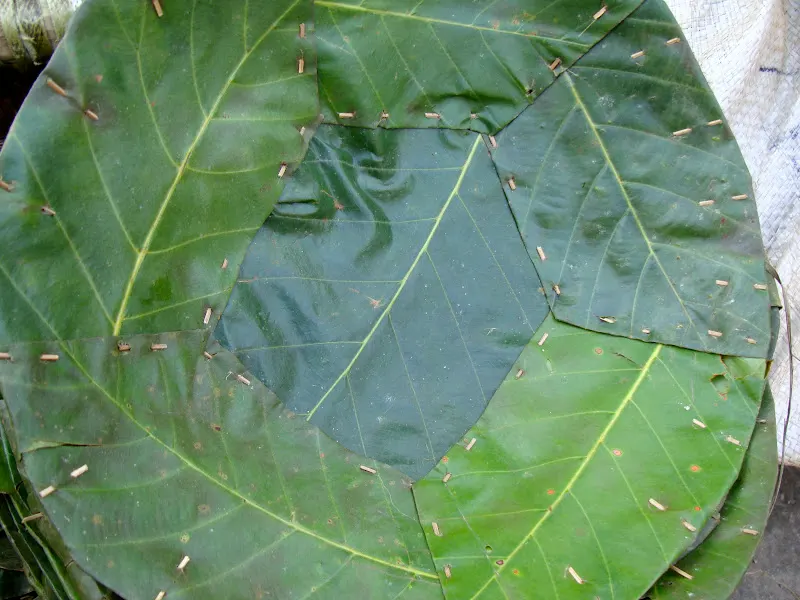
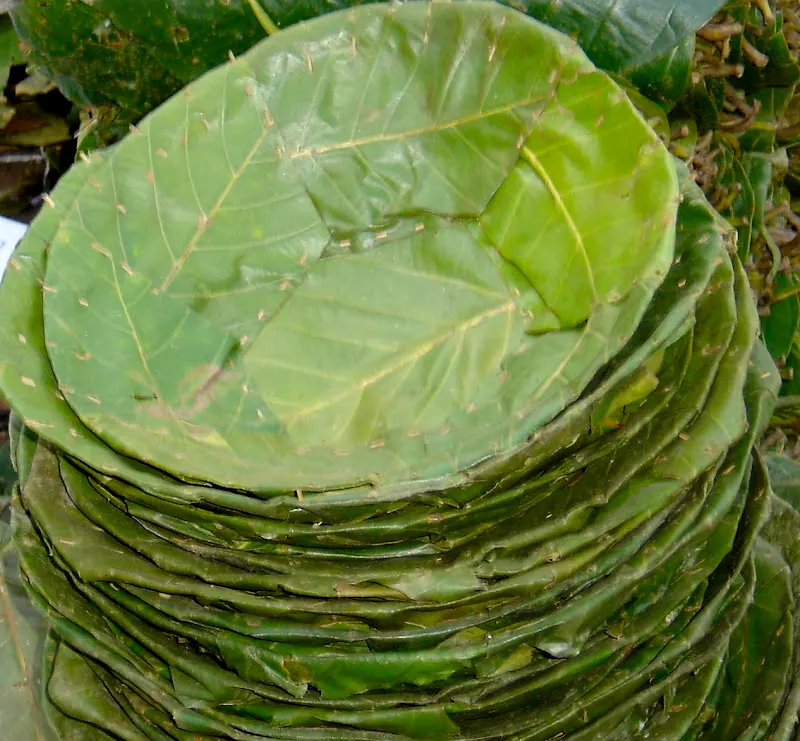
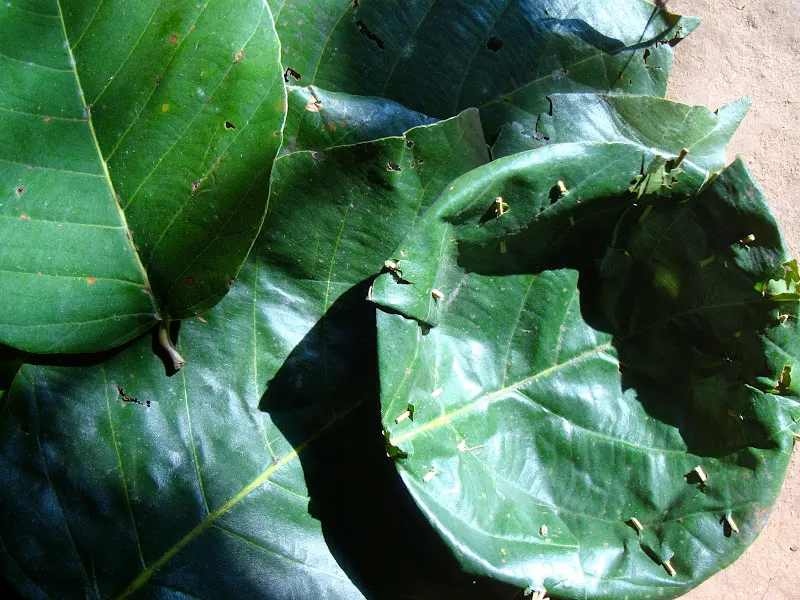
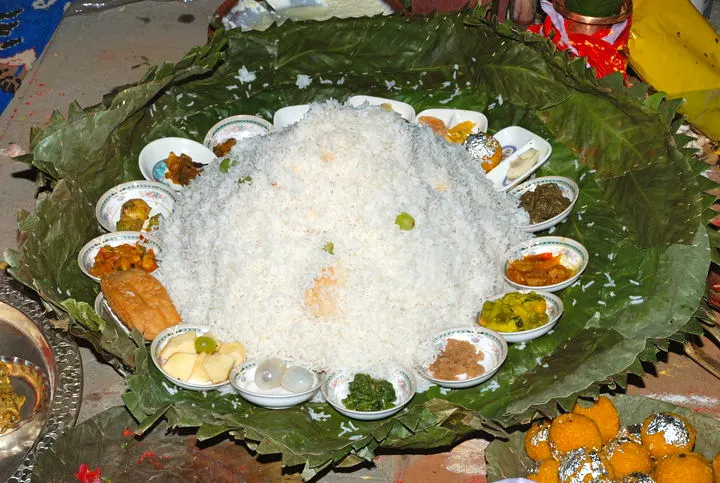
Binayak's rice feeding ceremony in Kathmandu - a very attractive and large special occasion leaf plate have been stitched. The auspicious food items are placed around the large quantity of cooked rice during Pasni ceremony. (photo used with permission)
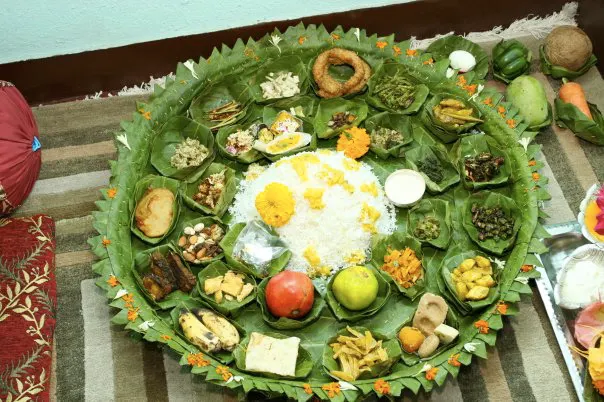
Annaprashana ceremony (the first rice-feeding ceremony for an infant) - a giant woven leaf plate is made from saal leaves for this religious occasion. Many elaborate dishes are cooked (rice, vegetables, meat, fish, sweets, dry-fruits, fresh fruits) and placed in a small leaf bowls (duna, bota). The rice is placed in the center and small food items are placed surrounding the rice. (photo used with permission).
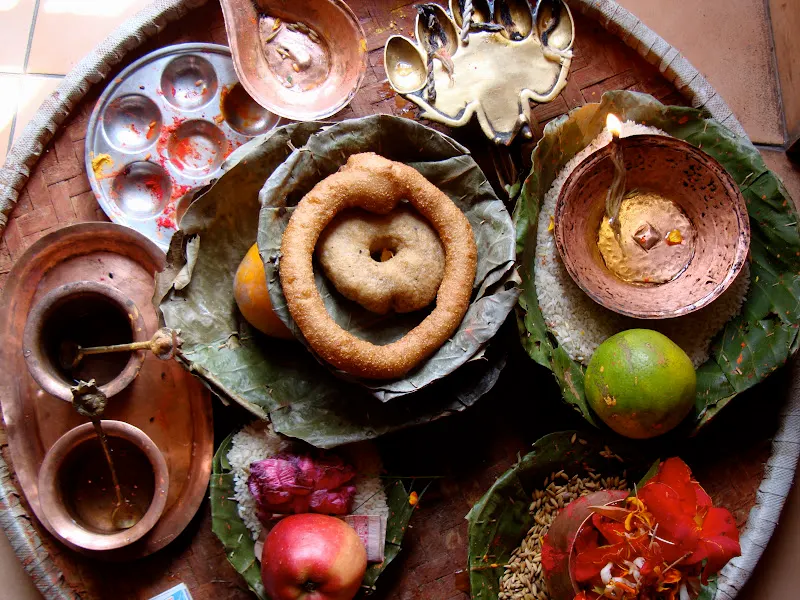
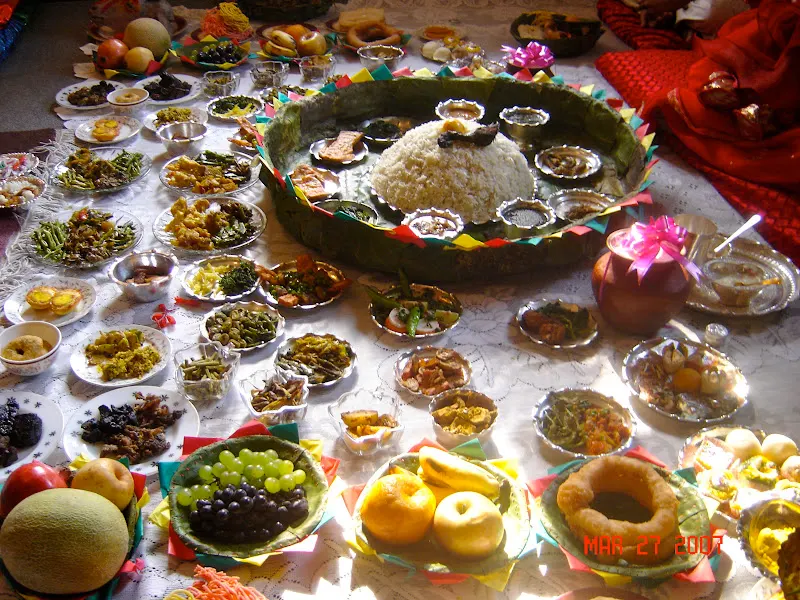
Photo taken at the Annaprashana ceremony (the Pasni) - Nepali rice feeding ceremony of a child. The fresh saal leaves and stitched together to make a large plate for this special occasion - food items, the floral offerings, ritual objects and placed around the large decorative tapari.
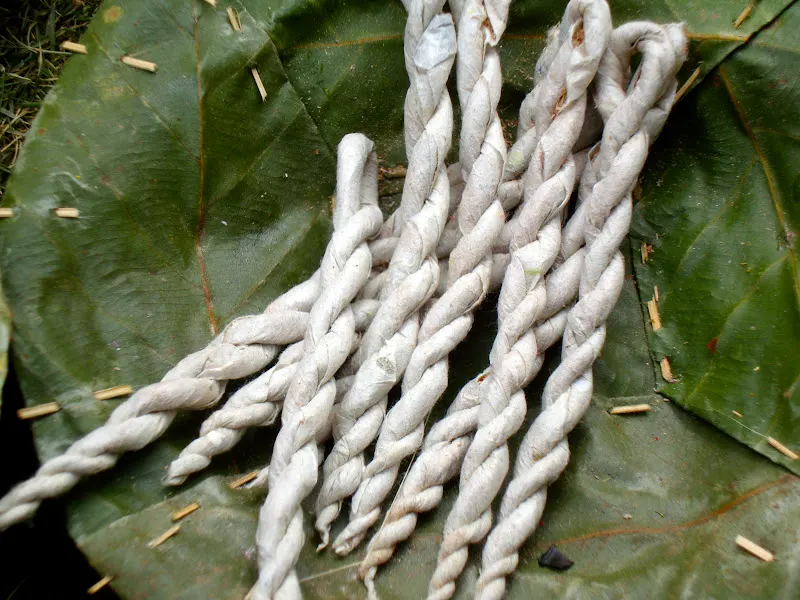
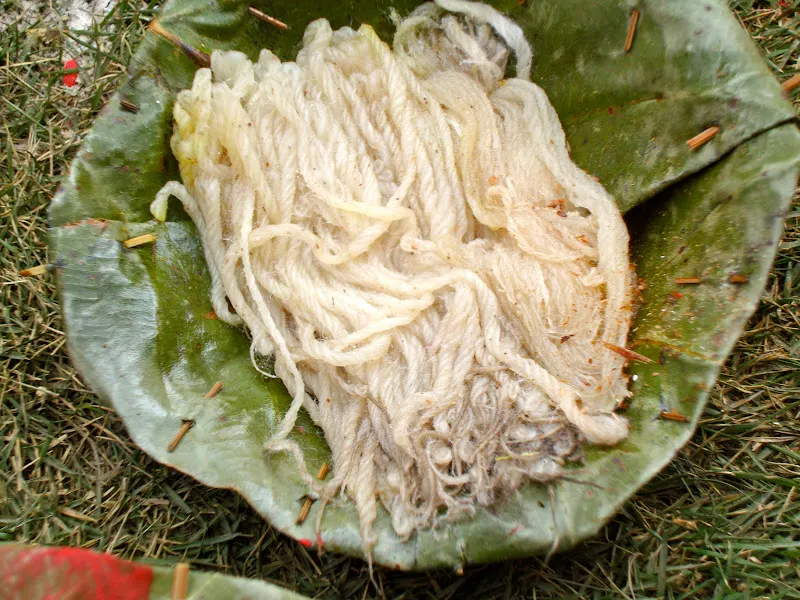
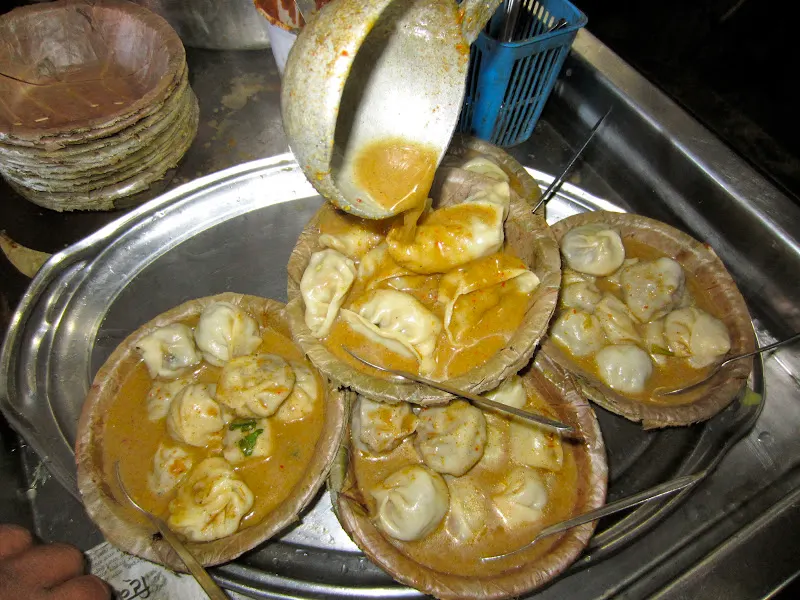
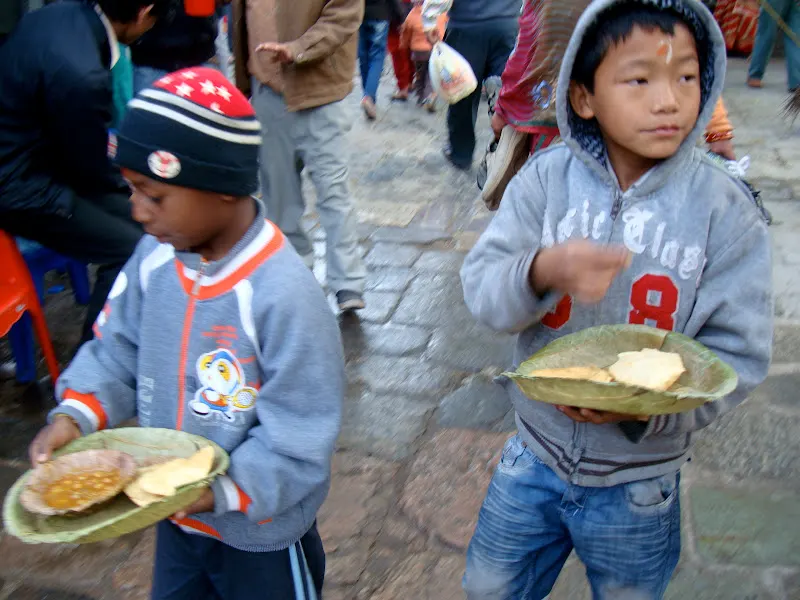
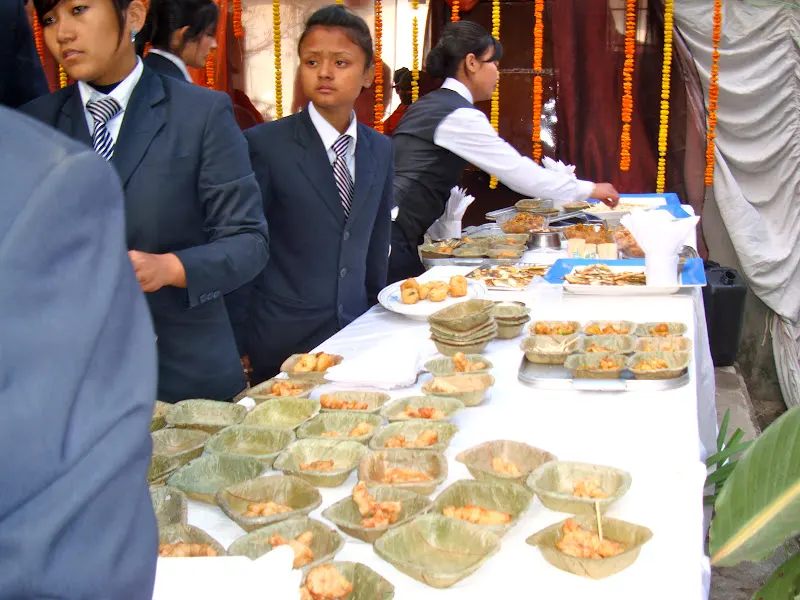
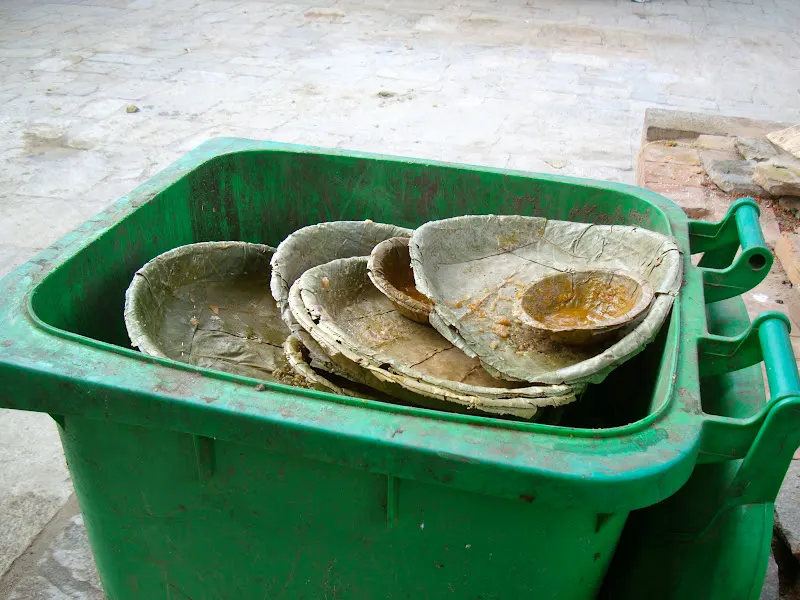
The used leaf plates are headed to the compost pile. They are easy to dispose and an environmental friendly product.
Copyright Information
All information on the Taste of Nepal blog are restricted use under copyright law. You may not re-use words, stories, photographs, or other posted material without the explicit written consent and proper credit to Jyoti Pathak. If you would like to use any materials here, please contact me.