Karkalo-Gaava-Pidhaalu - Taro (कर्कलो-गाभा-पिँडालु)
Common name: Colocasia, Taro Leaf, Dasheen, Arbi Patta
Botanical name: Colocasia antiquorum
Origin: SE Asia and India
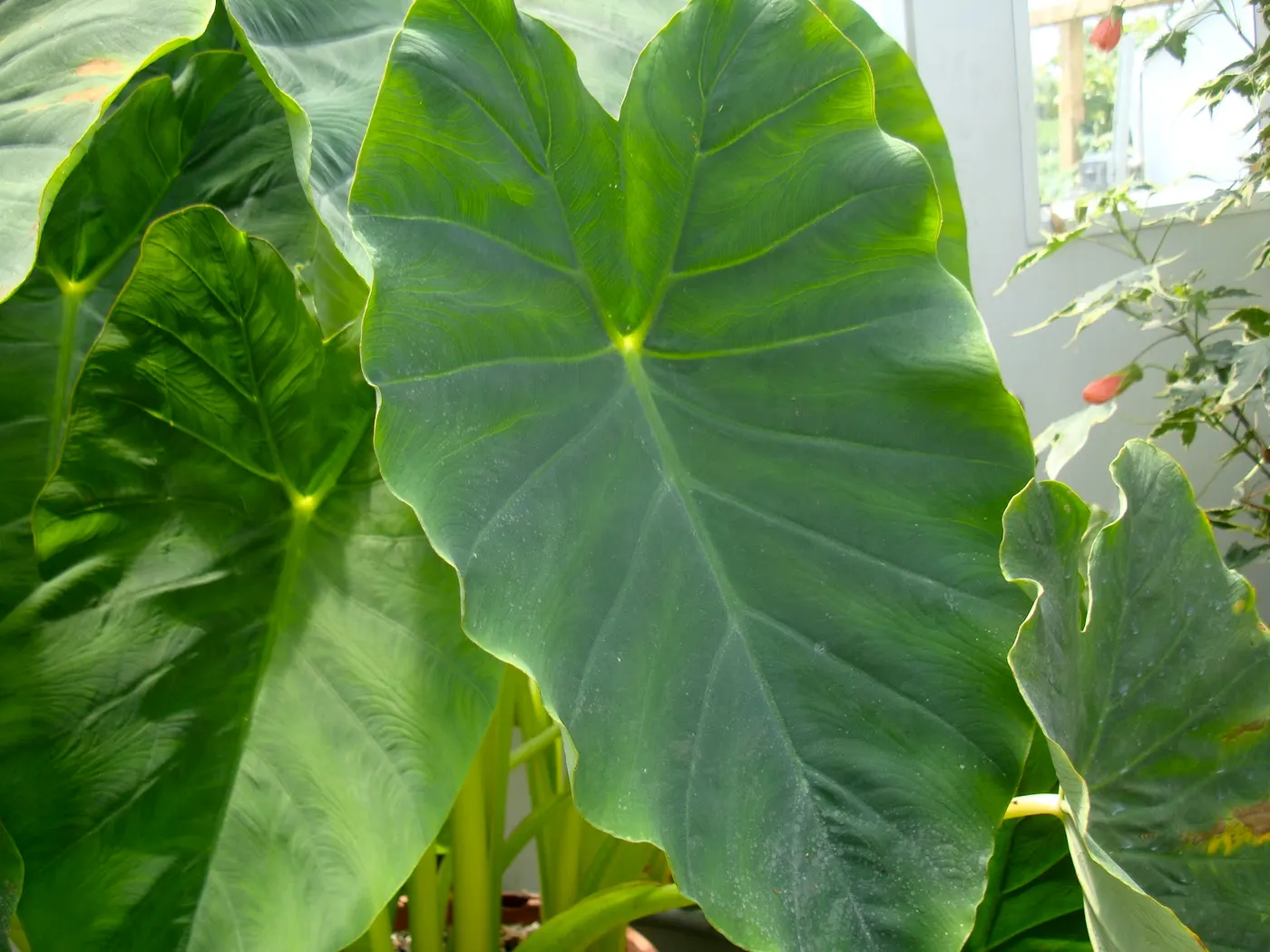
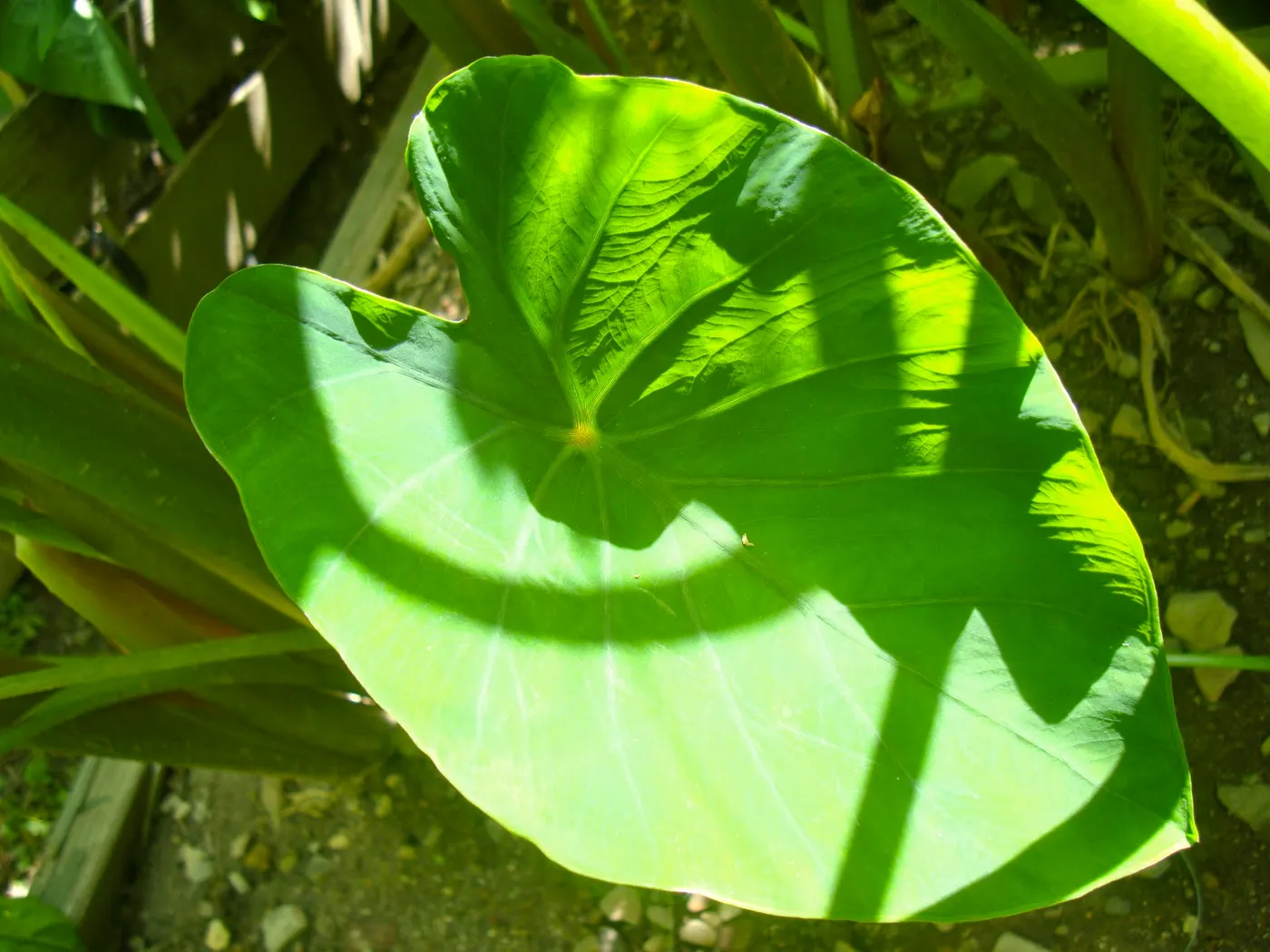
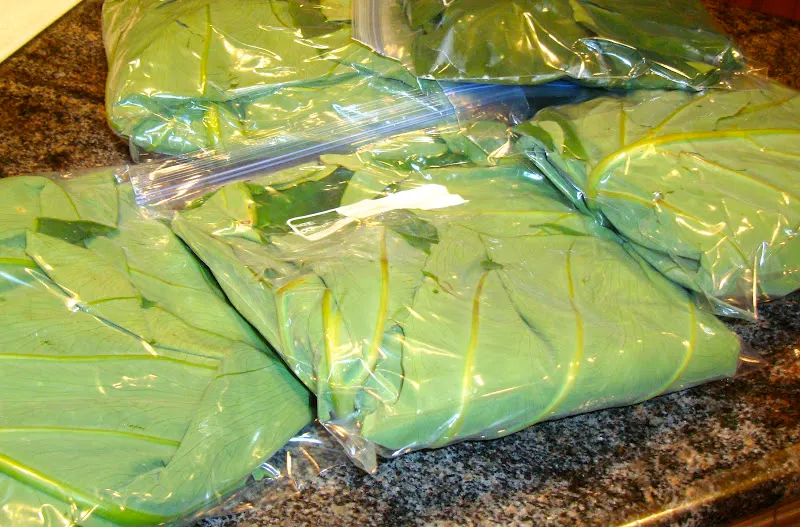
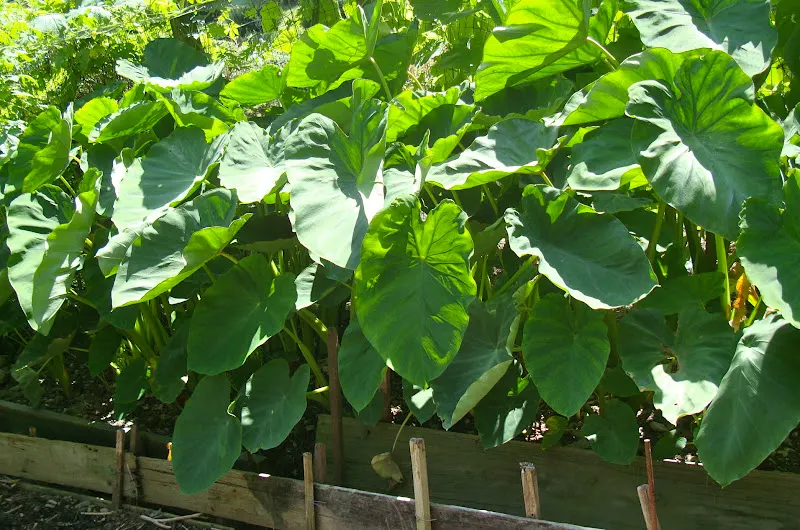
Karkalo leaf is grown from taro tuber. It is a tall-growing plant that has clusters of attractive, heart-shaped leaves resembling the beautiful ornamental variety of Elephant ear plant. The leaves are usually broad, bright green in color, and velvety to touch.
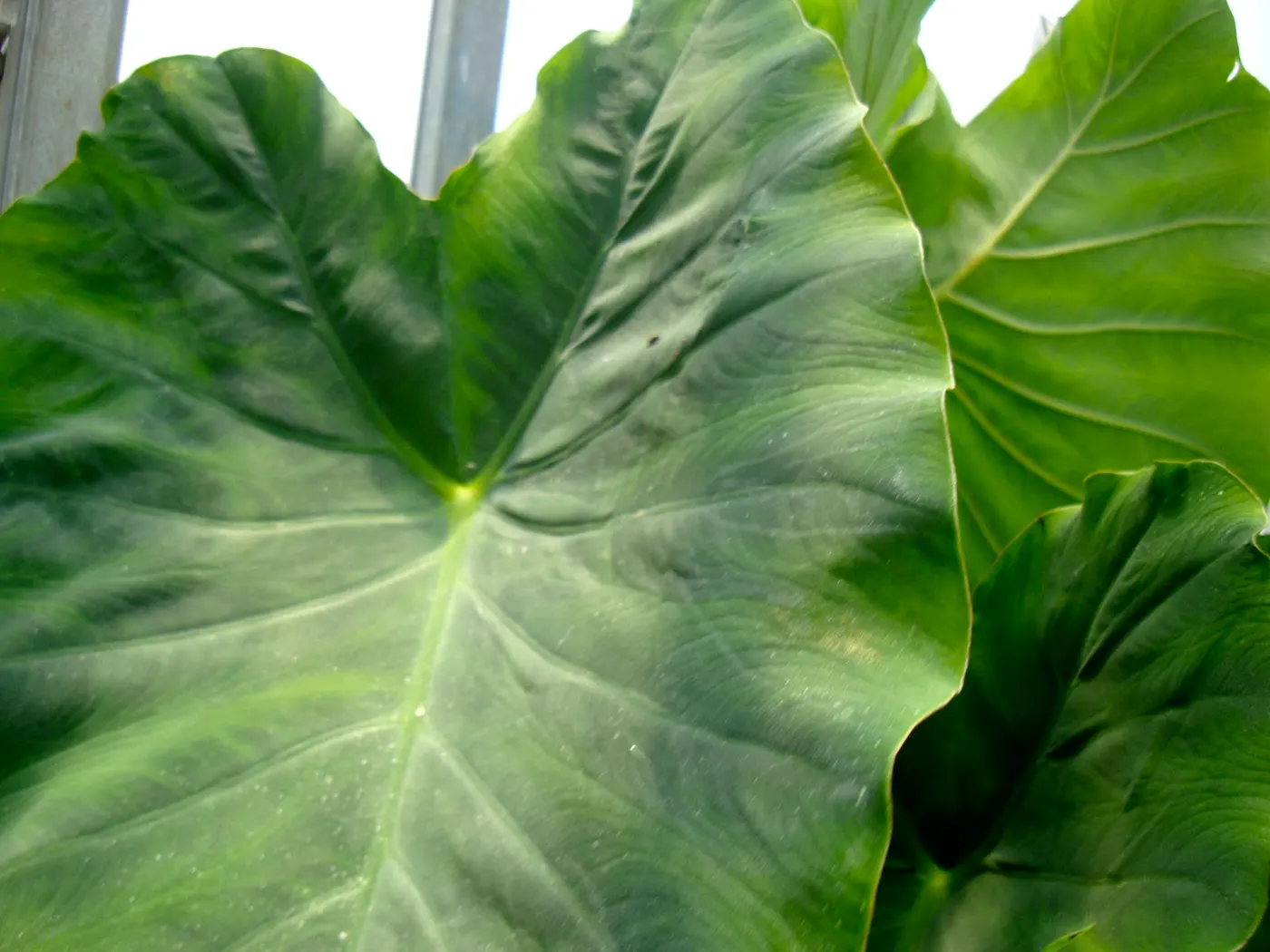
Karkalo is the Nepali name for the taro plant, which comes from the tuberous root. Nepalese use all three parts of the plant including the leaves (karkalo ko paat), the young stalks (gaaba or gaava), and the taro tubers or corms (pidhaalu) to prepare various dishes. The tender stalks (stems) and young leaves (karkalo-gaava) are cooked together just like spinach or mustard greens, producing a delicate flavor akin to "spinach with silky texture". The taro tubers are used as a root vegetable, steamed, fried or cooked with lentil in the preparation of some daal dishes. Taro is never eaten raw because it cause an itchy, stinging, and very irritating sensation to the throat, known as kokyaoone in Nepali. Once cooked, the irritating aspect is destroyed and lemon juice helps to further reduce irritability.
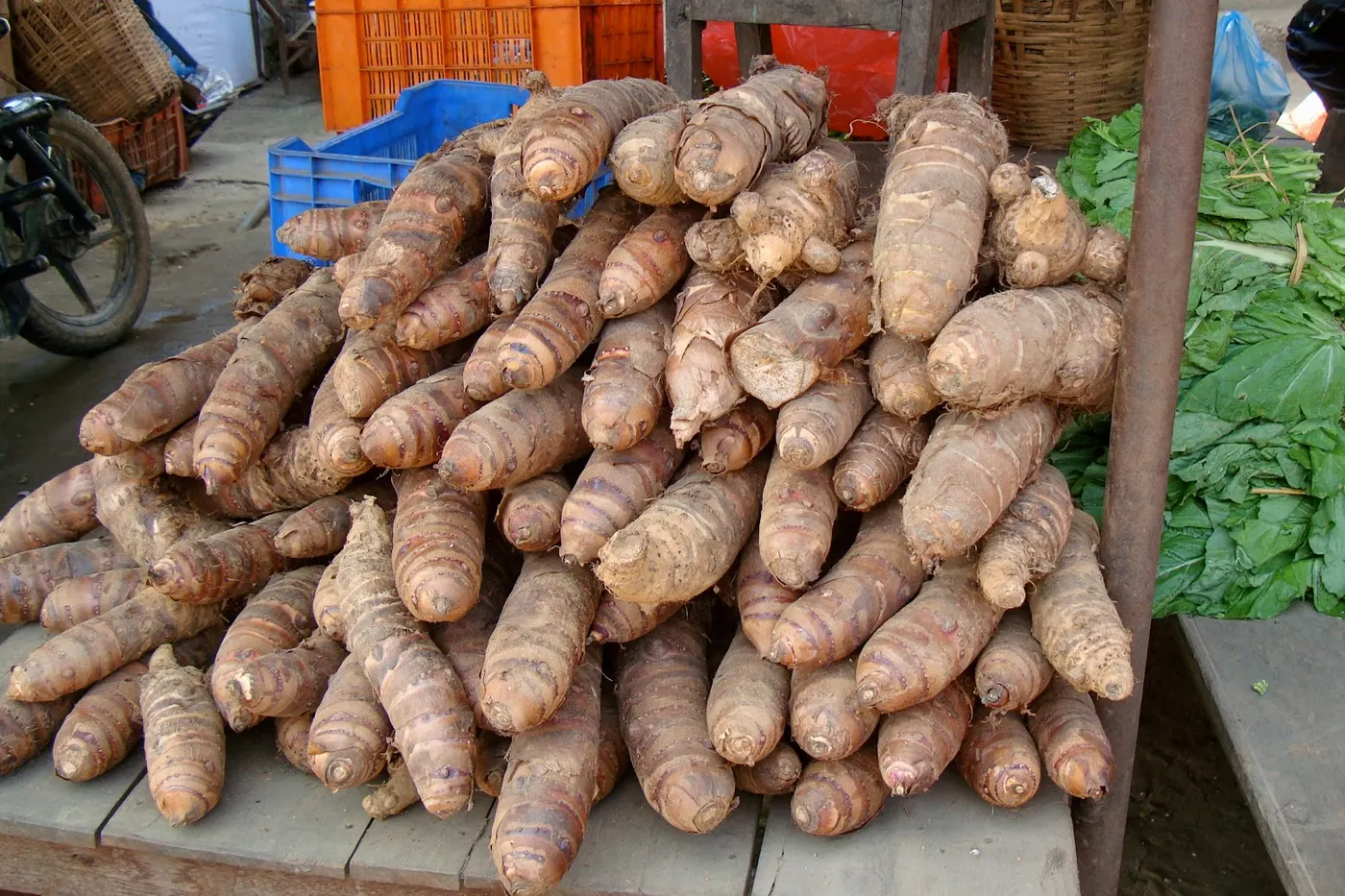
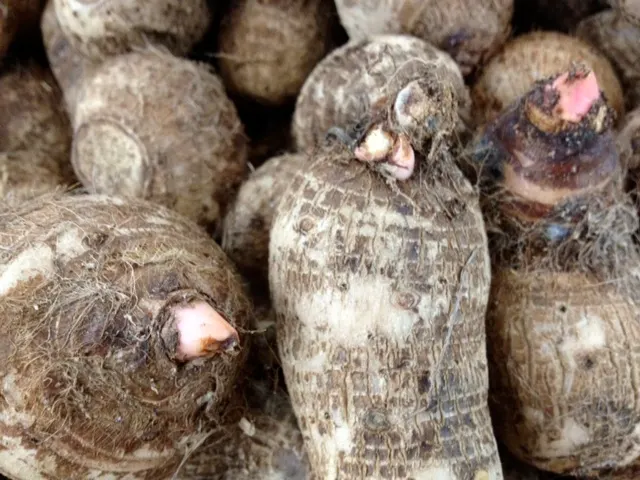
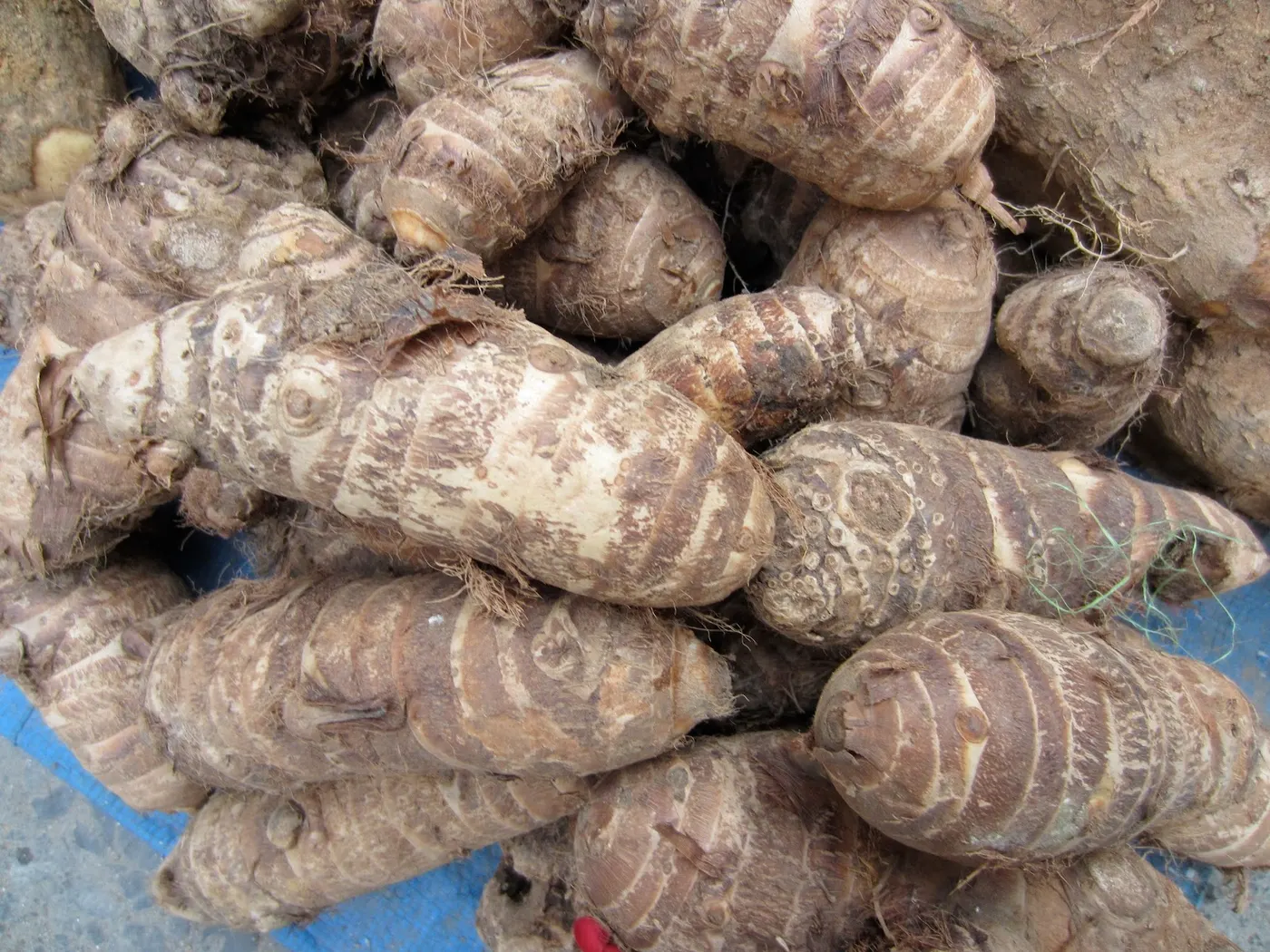
Here is another picture of Taro tubers. They resemble a potato, but the tubers have a hairy, fibrous brown skin with pale-white flesh that are sometimes light purple tinged. They are harvested when the corm reaches its peak in maturity and the upper leaves and stems of the plant have dried down in the fall season.
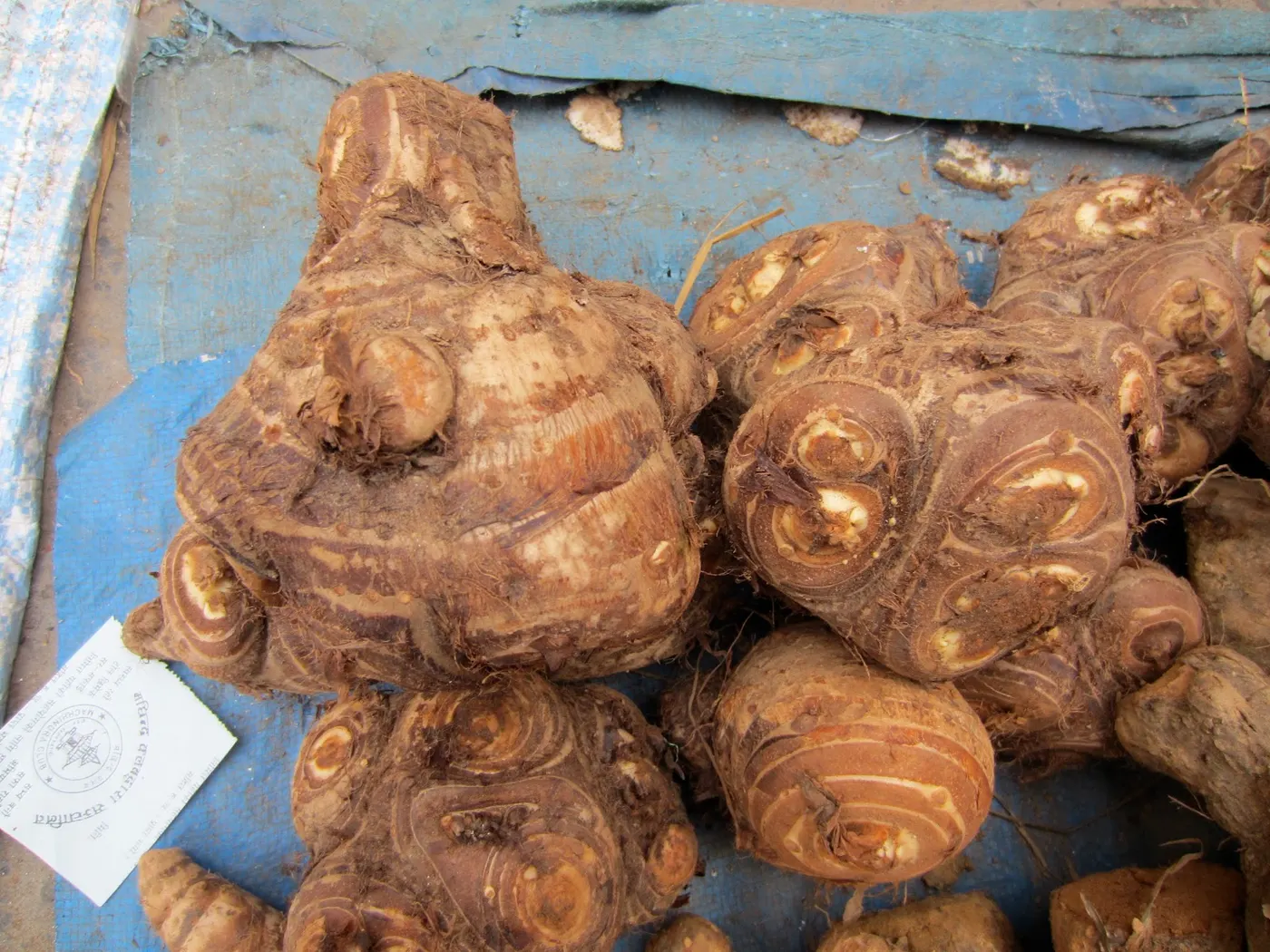
Taro tubers are a versatile vegetable; they can be prepared in a variety of ways including boiling, frying, steaming, or cooked with the combination of vegetables and lentils and used in soups and stews. They have a nut-like flavor and a smooth texture when cooked. Taro tubers are extremely nutritious and provide good source of fiber.
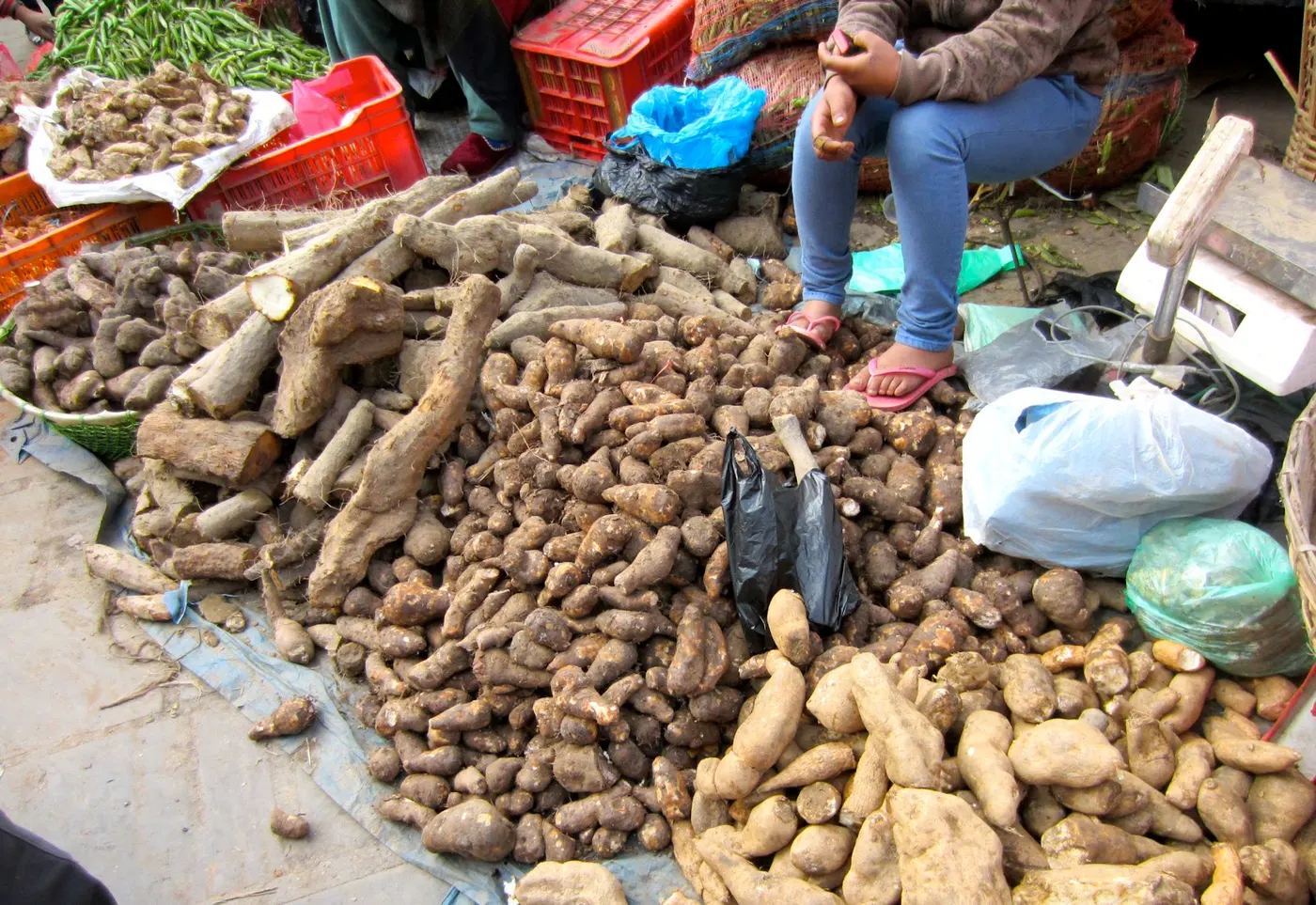
Photo taken at Asan Tole, open Market in Kathmandu during the Maghe Sankranti Festival. Vegetable venders are selling a large amount of tuberous root vegetables such as Sweet potatoes (sakhar khand), Taro tubers (pindhaalu), Casava, Tapioca (tarul), Yam (ghar tarul), and wild yam (ban tarul). During the festival time root crops along with many other festive foods are consumed to celebrate the festival.
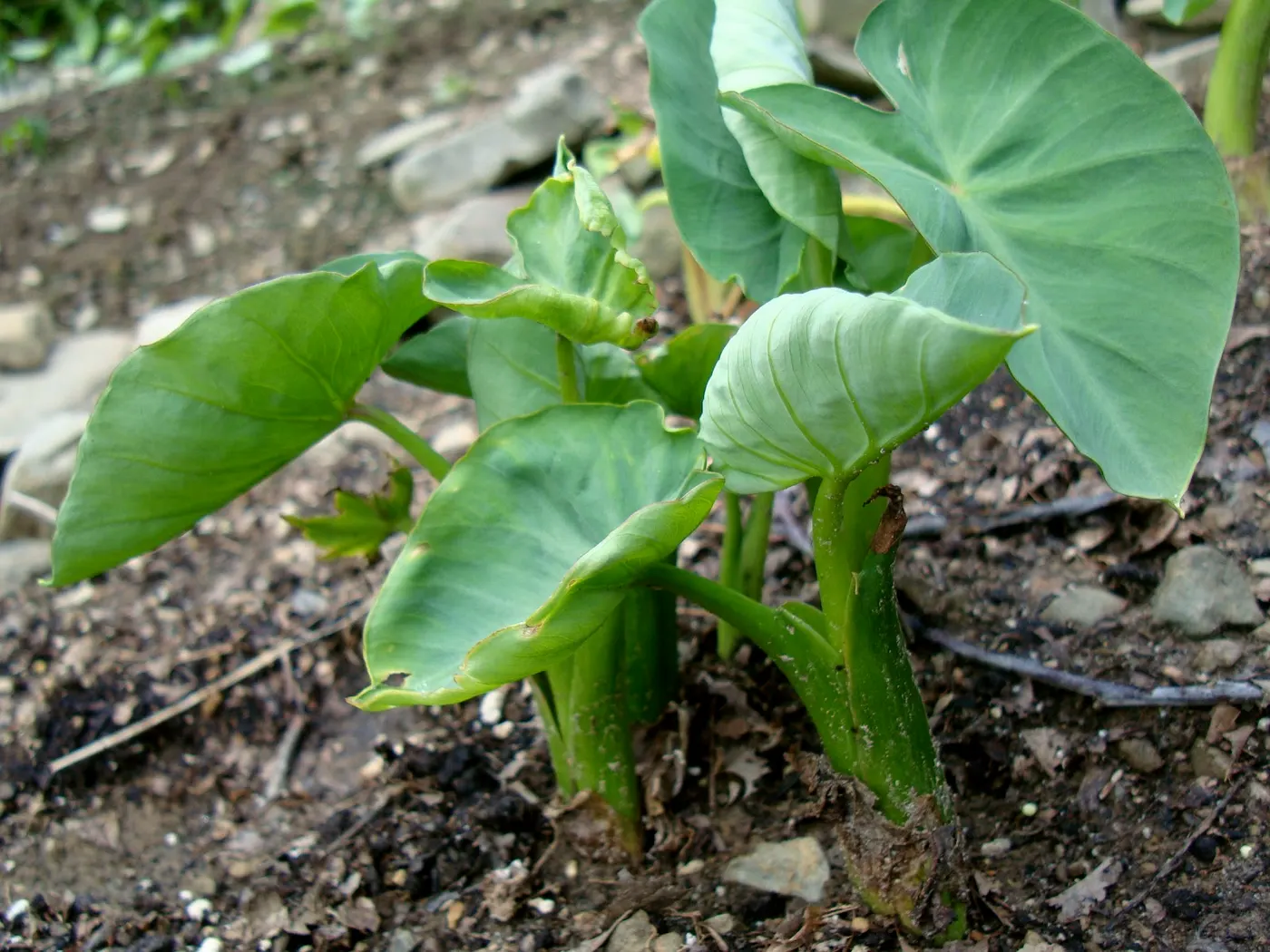
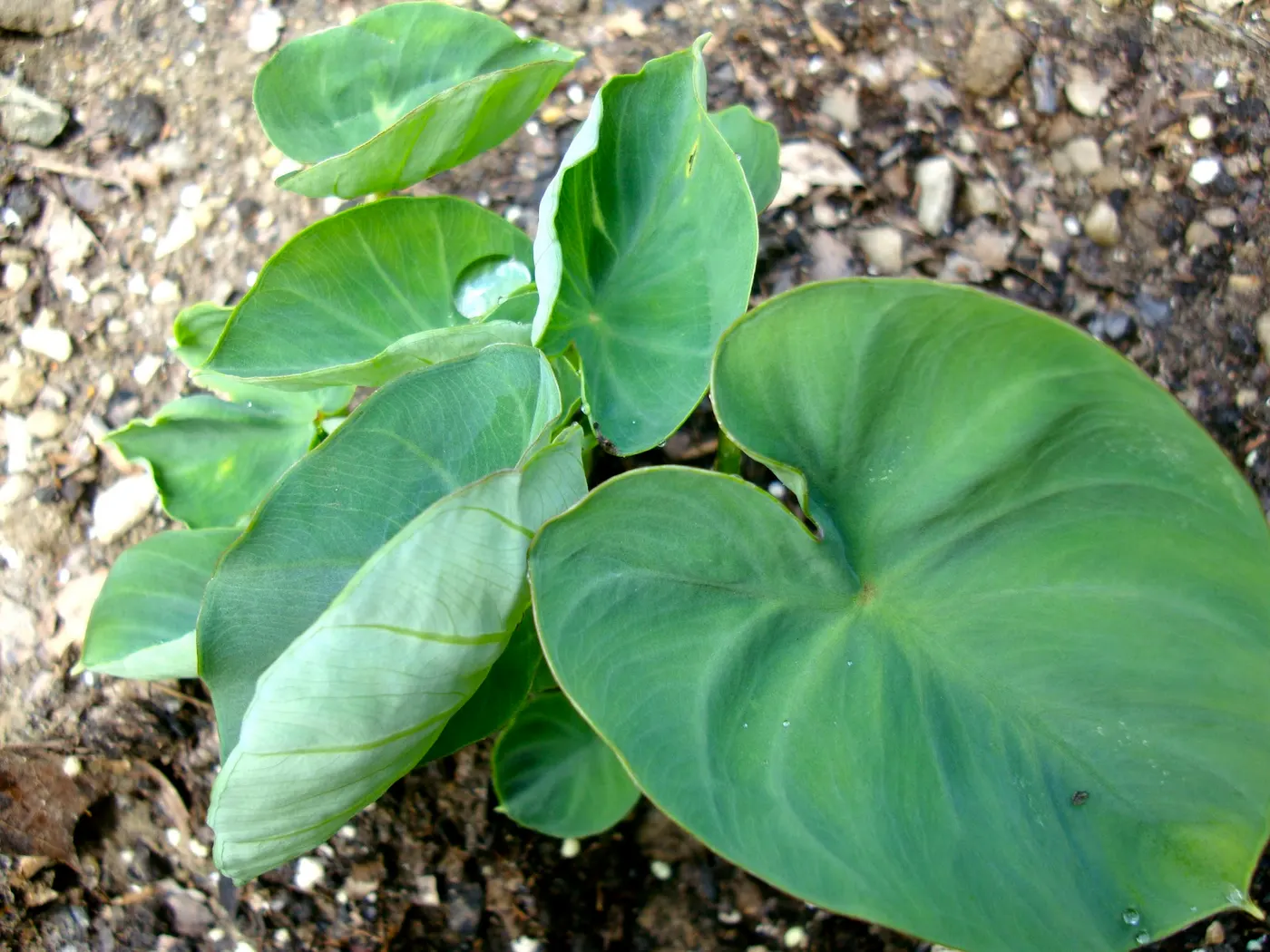
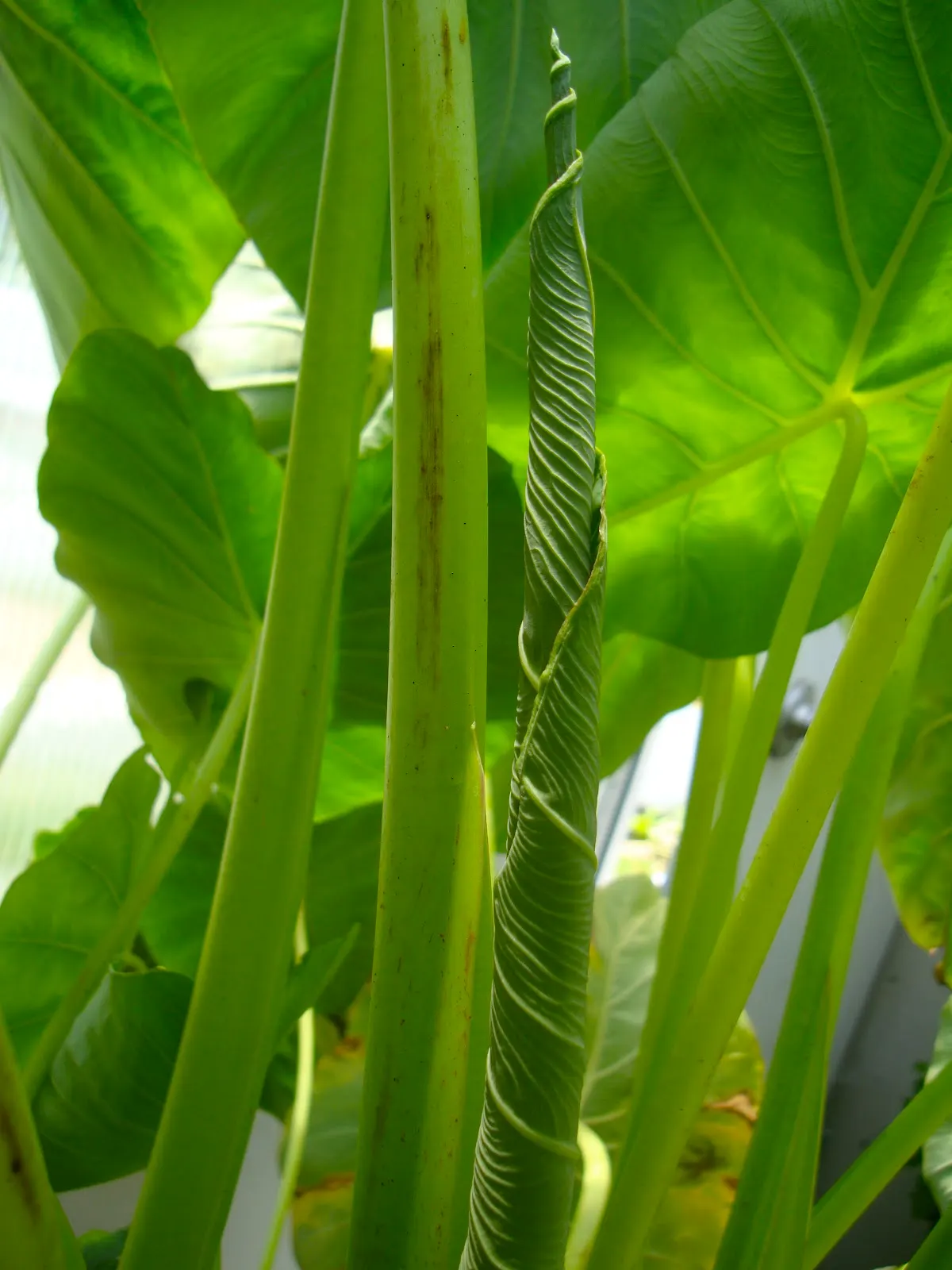
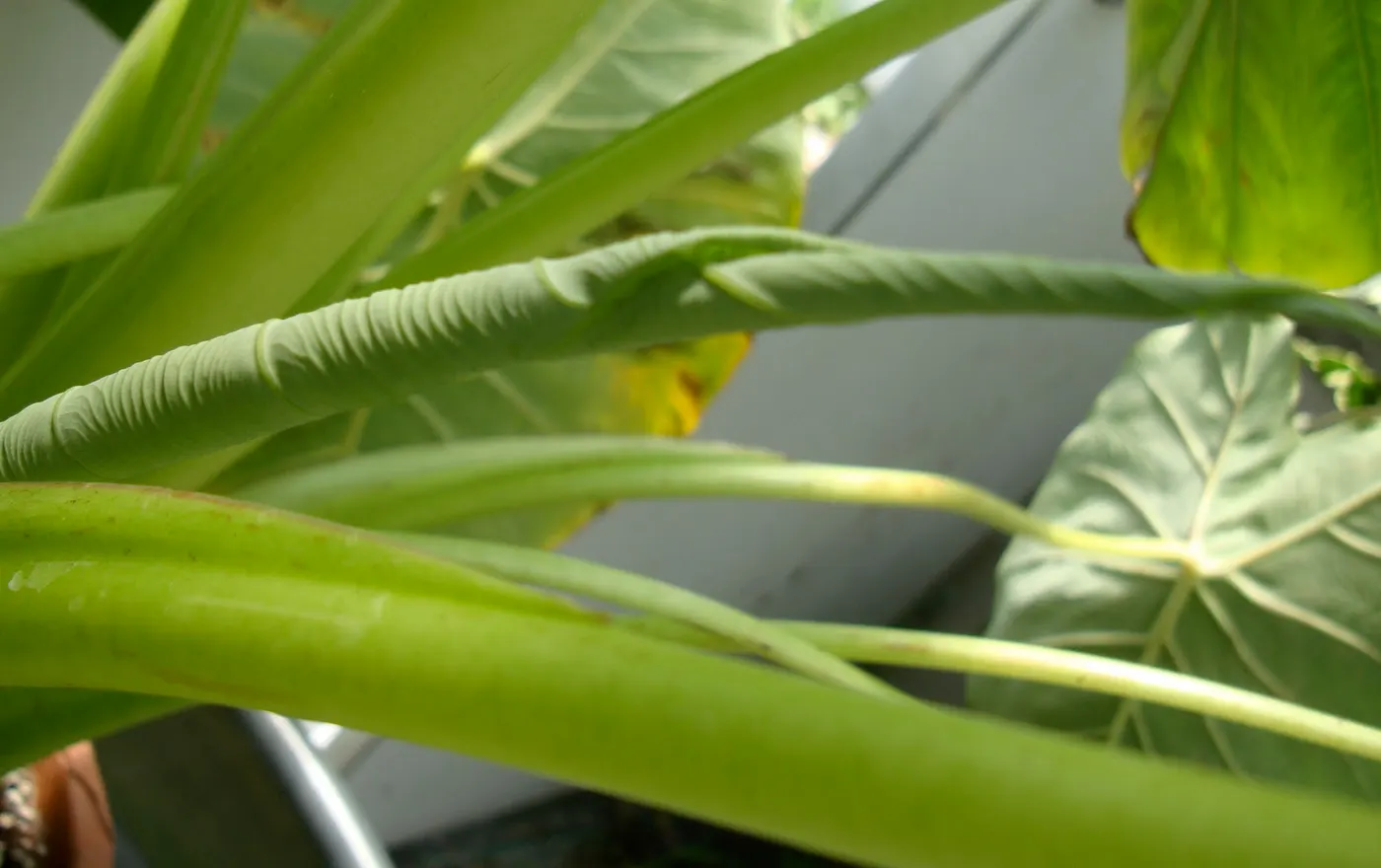
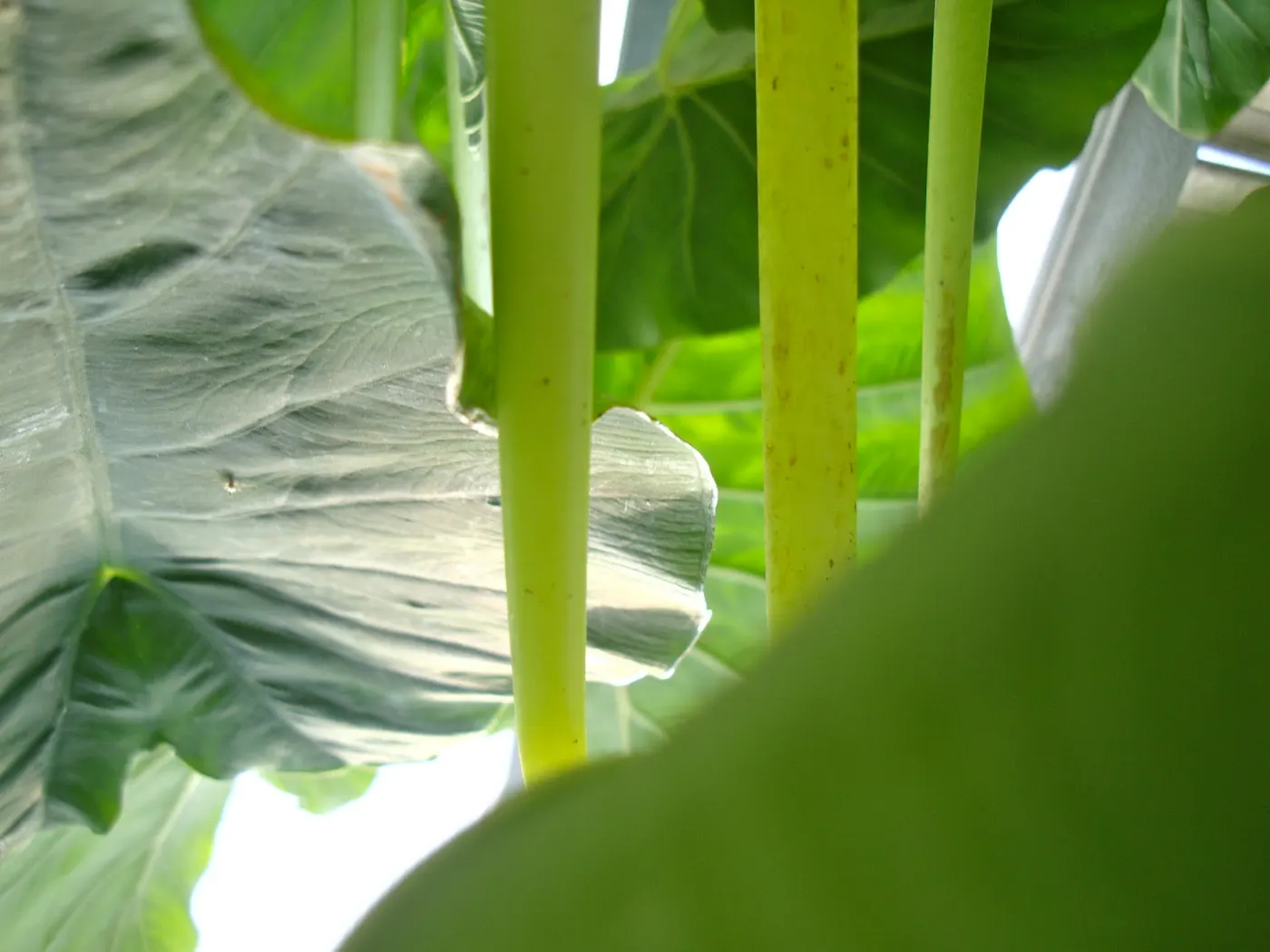
Here, a tall green stem is poking out from the Taro tubers. One of my Nepali friend's mother makes a delicious, sharp, spicy, and fermented pickle made out of stems called, "karkalo ko daath ko achaar." It is prepared similar to white radish pickle. Traditionally, the pickles are made on sunny days, which results in faster fermentation.
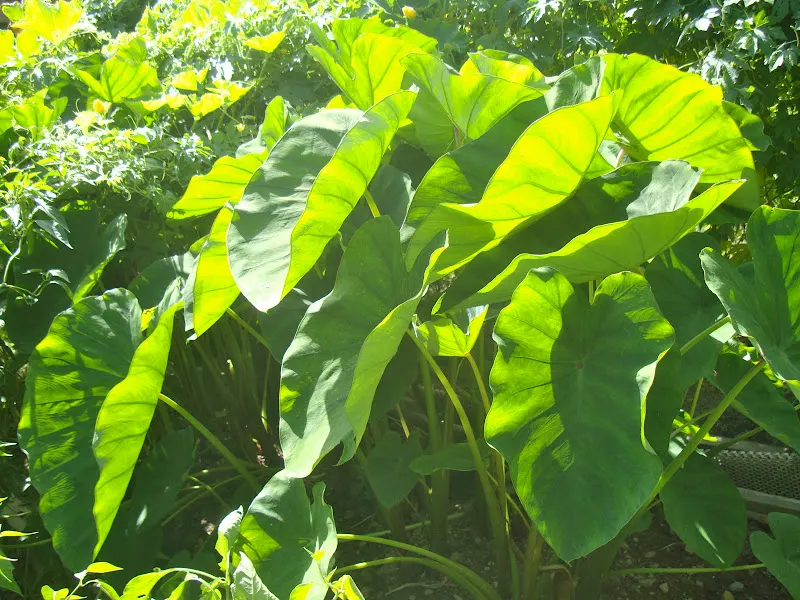
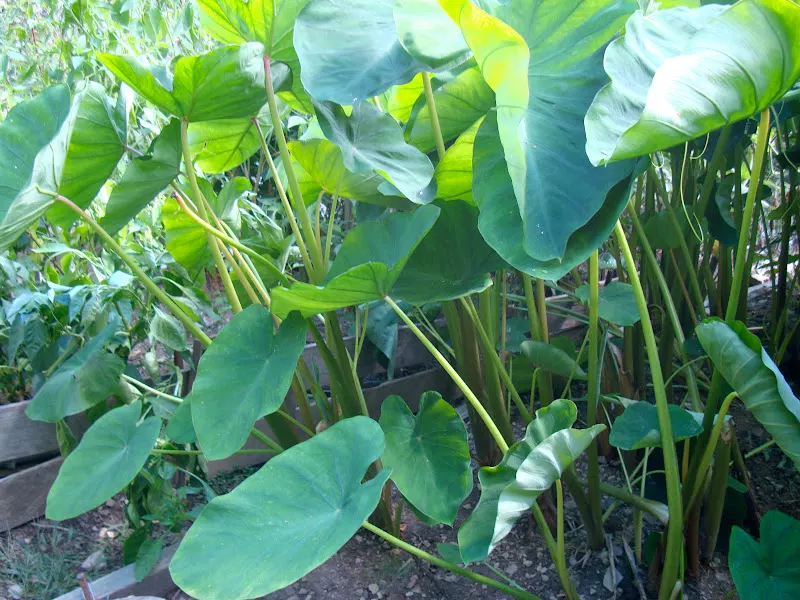
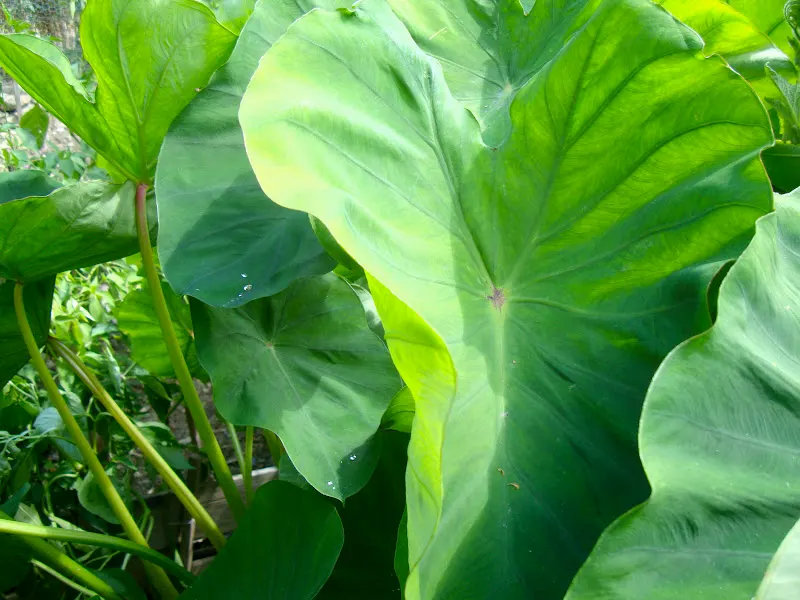
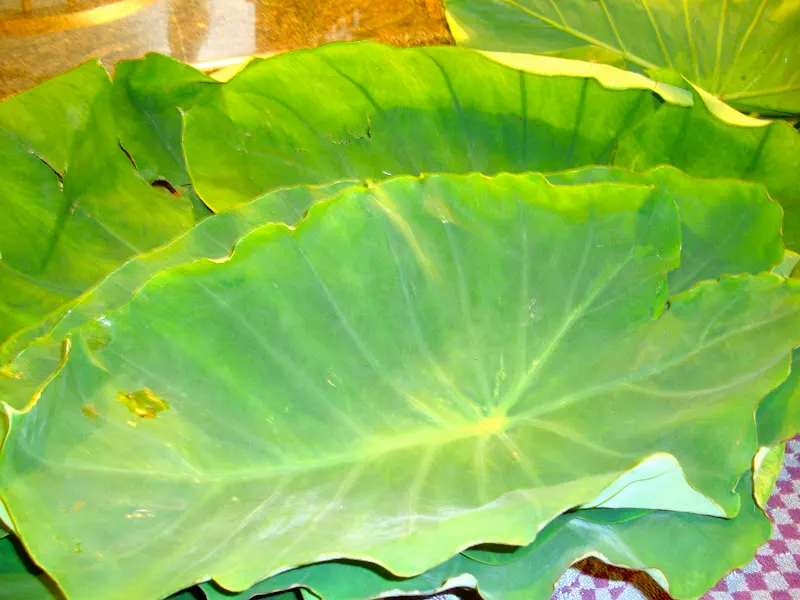
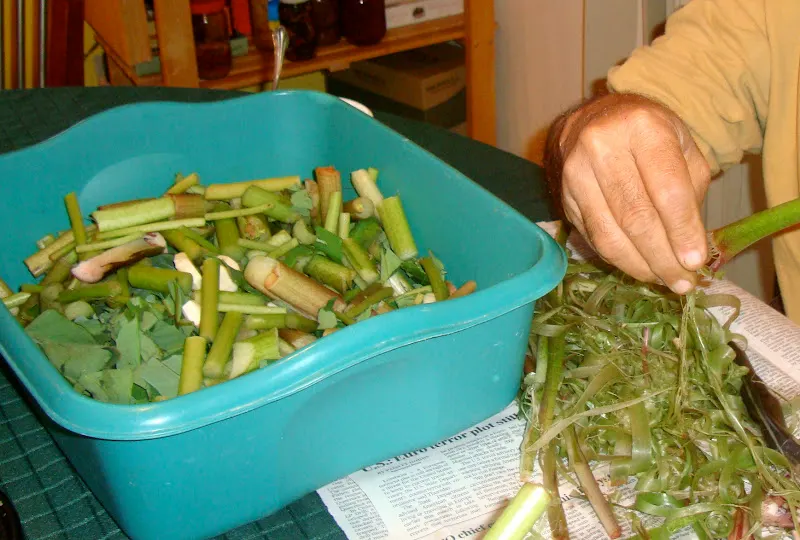
Cleaning the vegetable and getting ready to cook - Separate the taro leaves and stalks with a knife and rinse thoroughly. Place each young leaf on a work surface, roll it into tight cylinder, and tie the ends together to form a loose knot. Bend each stem and peel off the outer covering by pulling the fiber from all sides until you have smooth and silky stems. Cut them into 1/8 inch pieces and rinse them thoroughly again.
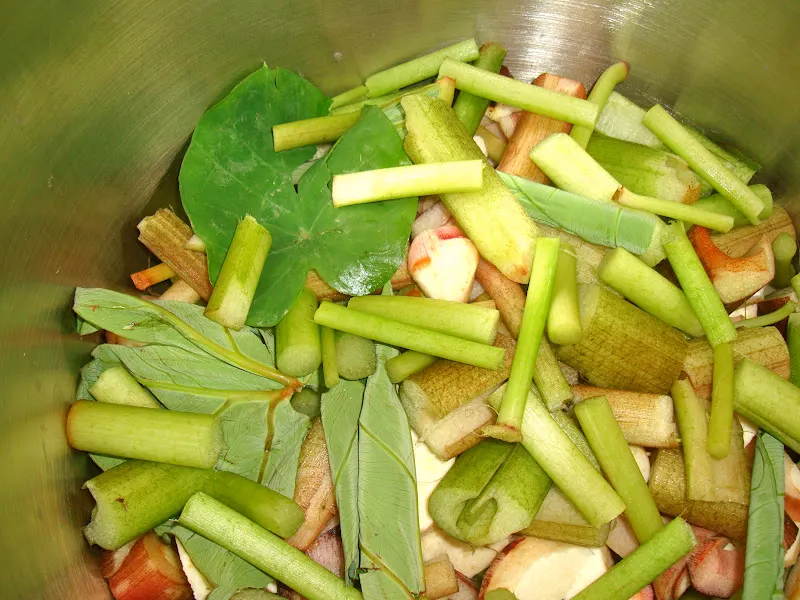
When the stalks and leaves are cleaned, a sap is secreted by the stem and can cause a skin irritation and a temporary discoloration of fingers to some sensitive skin. To get rid of irritation, simply rub some salt or wear rubber gloves while cleaning.
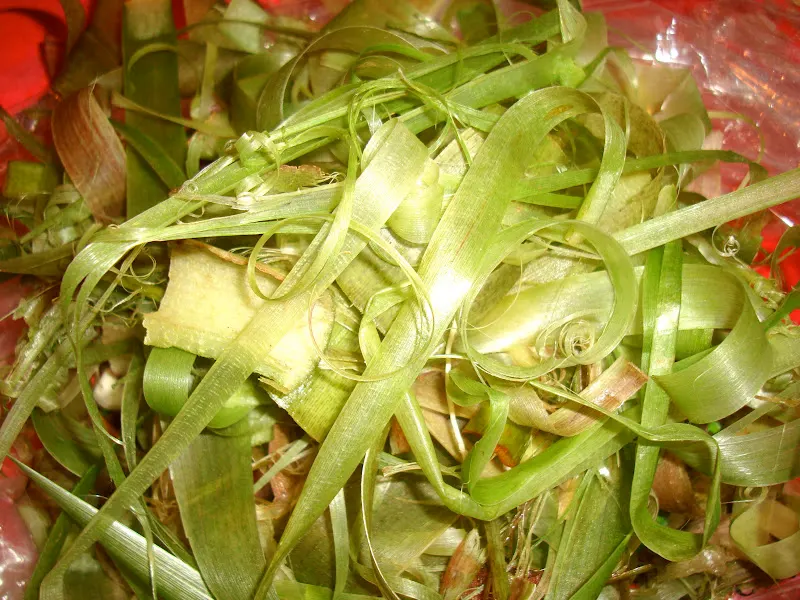
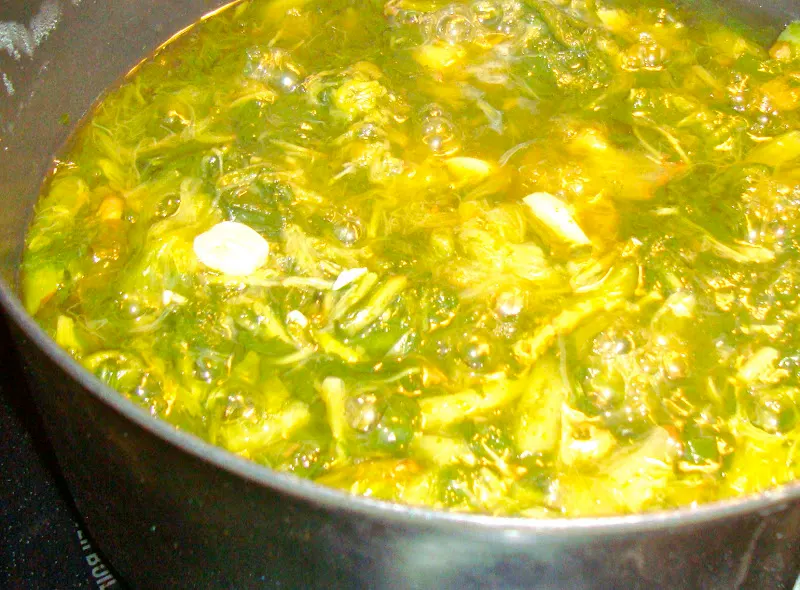
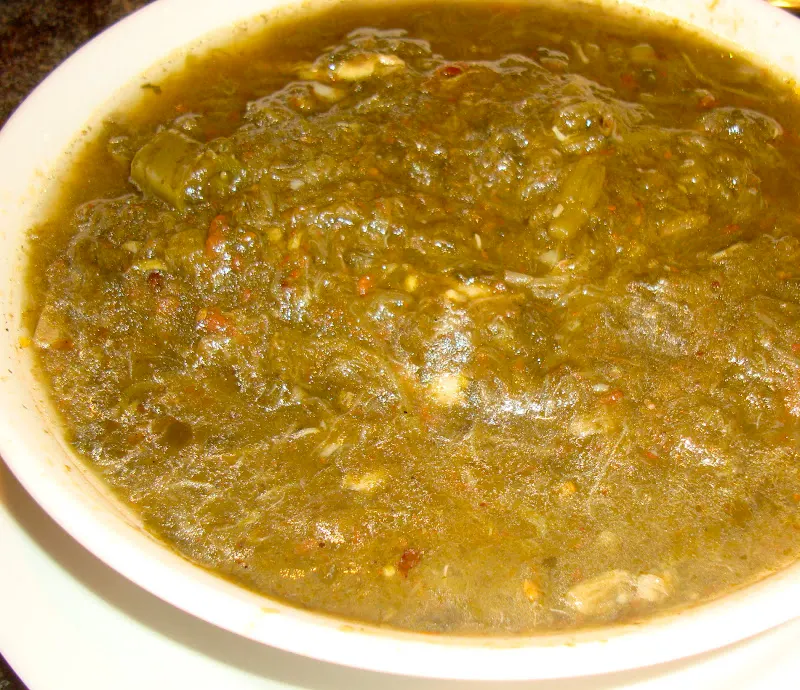
The fresh young taro leaves, stalks, and young shoots are boiled-simmered in a small amount of water and salt. It is cooked until taro softens, excess water evaporates, and reduces to silky textured smooth paste like consistency. It is then tempered with mustard oil, turmeric powder, dried red chili and fenugreek seeds. The freshly squeezed lemon or lime juice is added before serving.
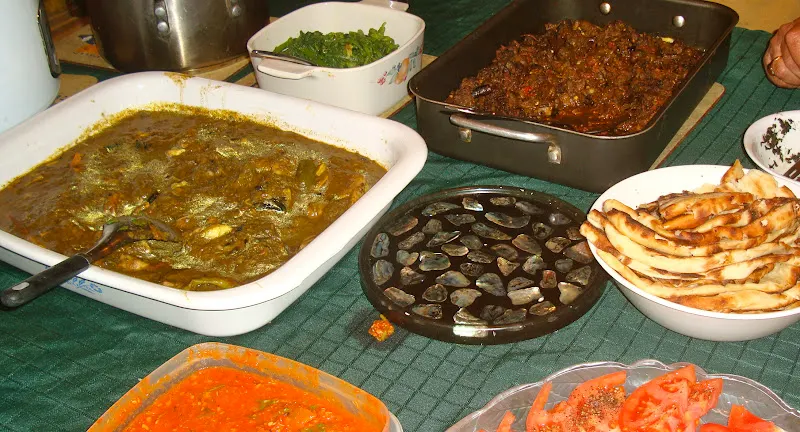
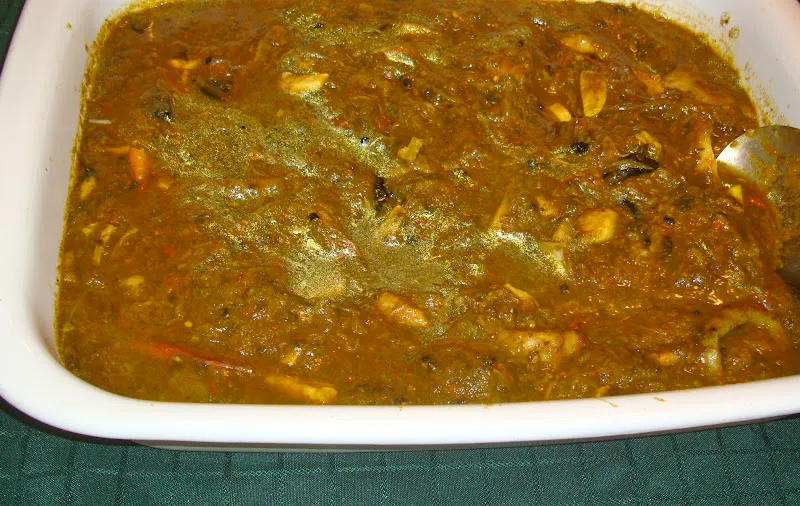
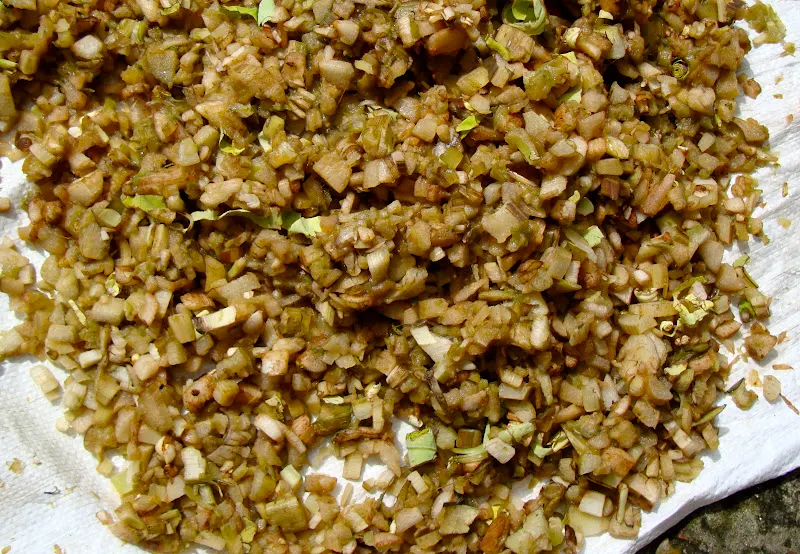
Getting ready to make Maseura lentil nuggets. Chop the taro stems and young leaves into small pieces and spread it on a large tray lined with a cloth or paper towel. The chopped vegetable is dried until the moisture is completely removed and slightly wilted. It is then mixed with Urad bean paste to make Maseura.
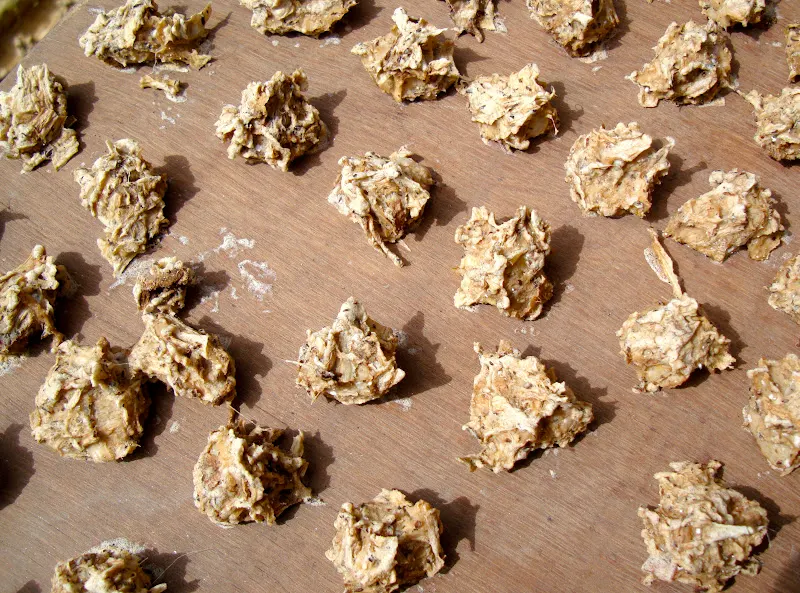
In the above picture, the mixture is formed into small balls with fingers or a spoon into 1/2 inch nuggets and dropped them in a prepared wooded board or into the wicker tray. It is then covered with a cheese cloth and placed in the direct sun to dry slowly. The tray is always brought back indoors after the sun has set.
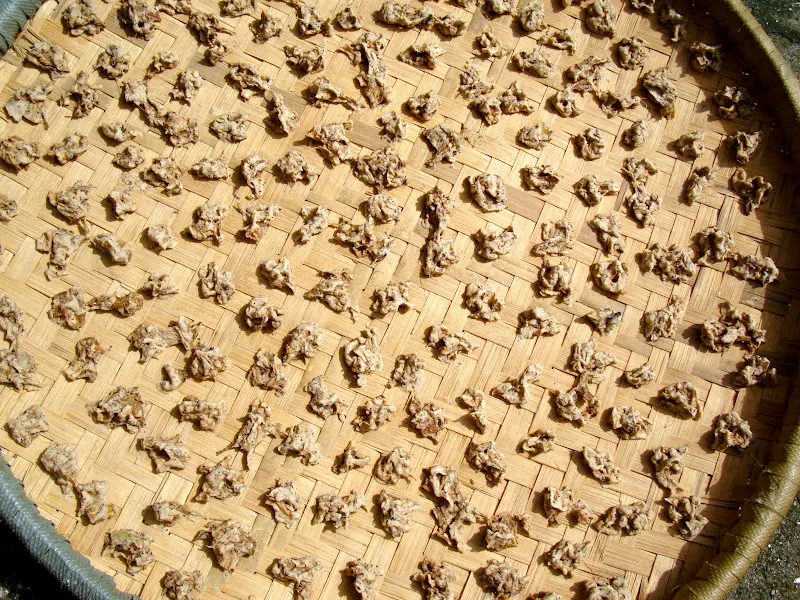
In the picture above, a round wicker tray (Nanglo) is used to sun-dry the lentil nuggets. Once the nuggets are slightly firm on top, gently turn them over to expose the bottom sides to dry evenly. The Maseura should be completely dry before storing or using, which may take several days depending upon the amount of sunlight. Make sure there is no moisture in the nuggets or they will spoil.
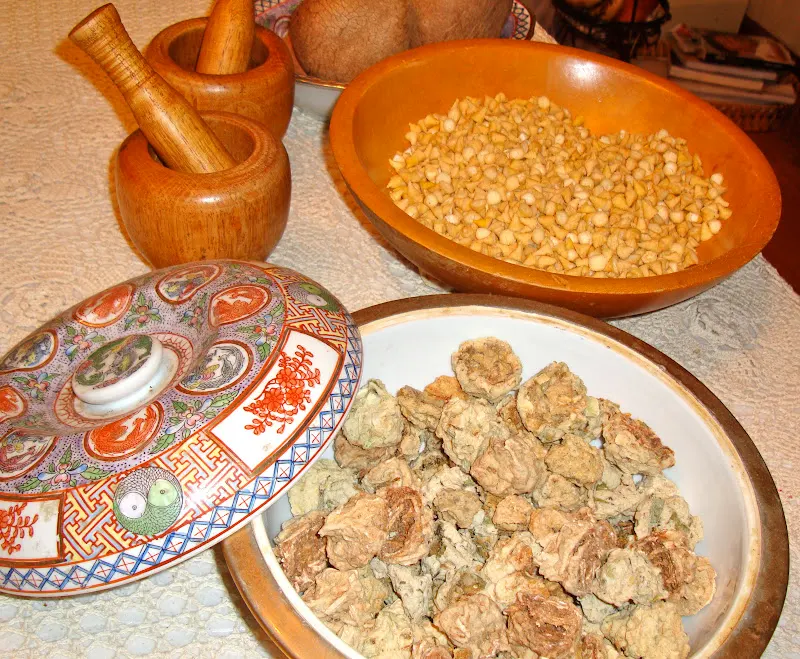
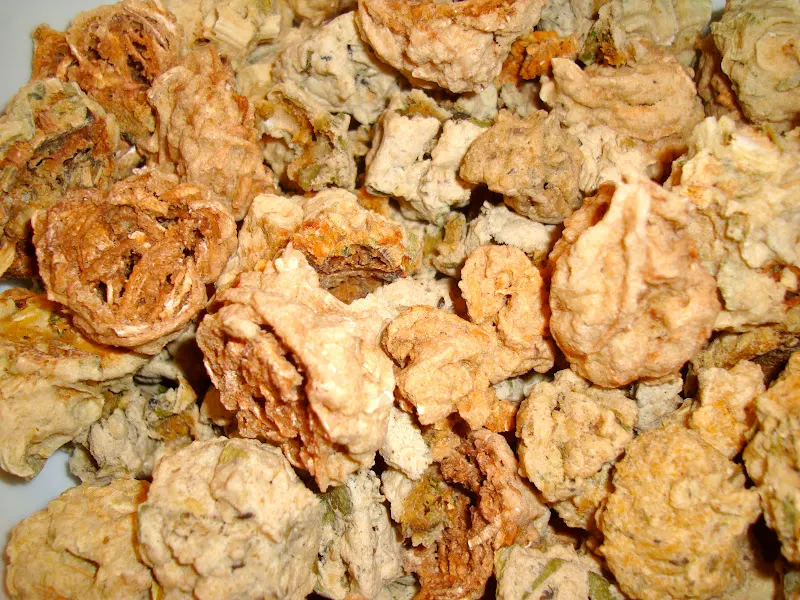
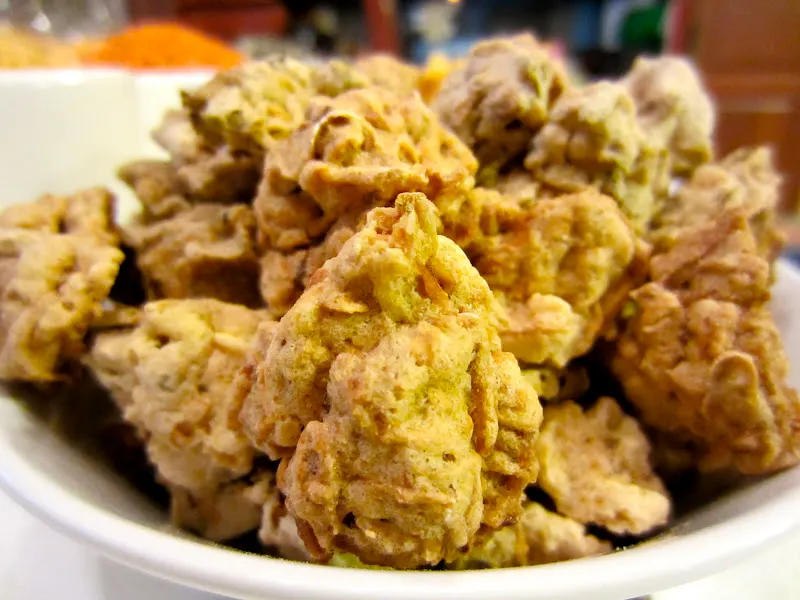
Home-made Maseura (Urad bean nuggets) - Maseura are common throughout Nepal and usually made at home. Traditionally, these nuggets are prepared from split black Urad beans and taro stalks, and young leaves, but any finely chopped vegetable, such as radishes leaves, cauliflower, green cabbage, spinach or mustard leaves, chhayapi (green onions) can me combined with lentils to prepare Maseura. The nuggets have a light and spongy texture when dried. The above picture of Mausera is made by my mother-in-law, Aaama Hazoor who used to prepare the nuggets each summer. She preferred sun drying which takes five to six days, in the direct hot sun. To speed the drying process, you can use food dehydrator, which is faster and convenient.
I hope you enjoyed this blog posting. Please comment and share your recipes. I highly recommend a beautiful Nepali folk song and dance album, "Karkalo-Gava" by Anju Pant (album Kampan-2010).
Copyright Information
All information on the Taste of Nepal blog are restricted use under copyright law. You may not re-use words, stories, photographs, or other posted material without the explicit written consent and proper credit to Jyoti Pathak. If you would like to use any materials here, please contact me.