Dubo Grass Garland - (हरियो दुबो घास को माला)
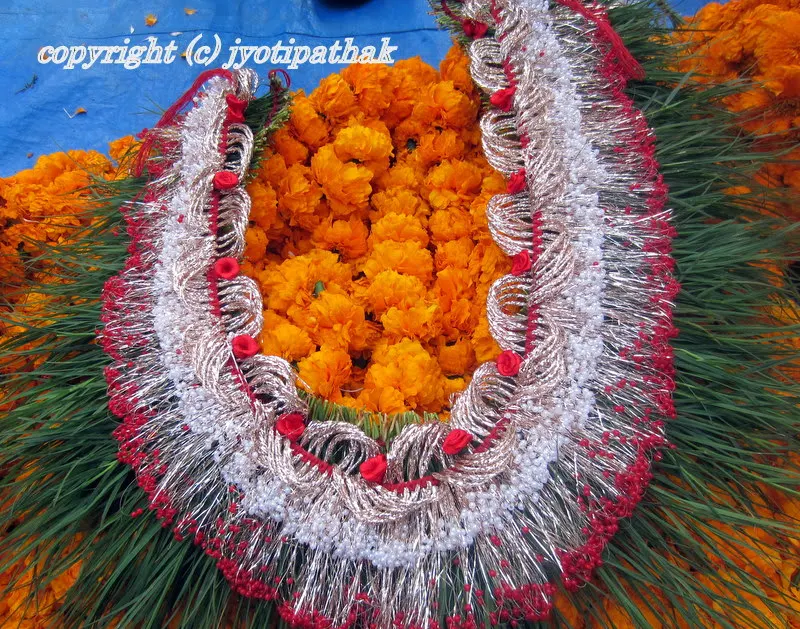
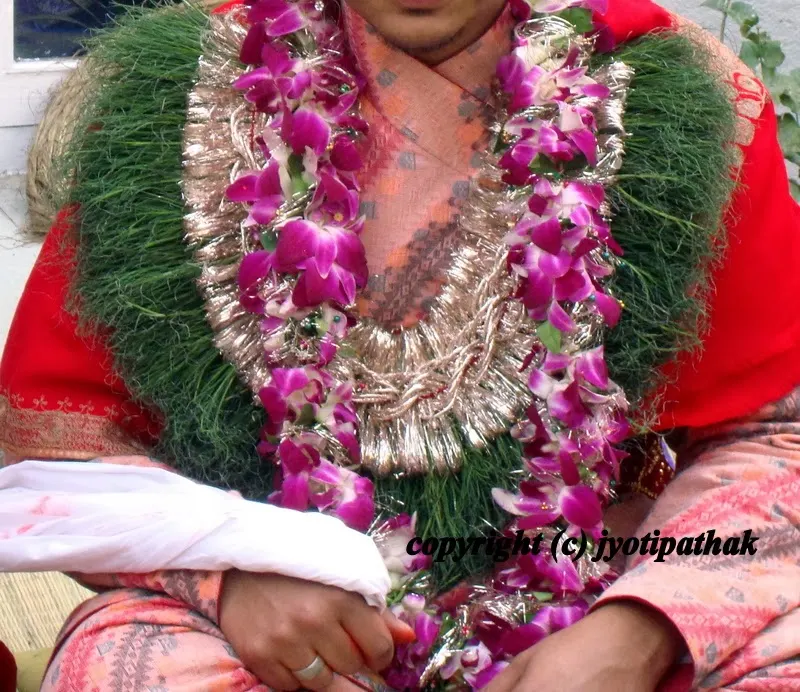
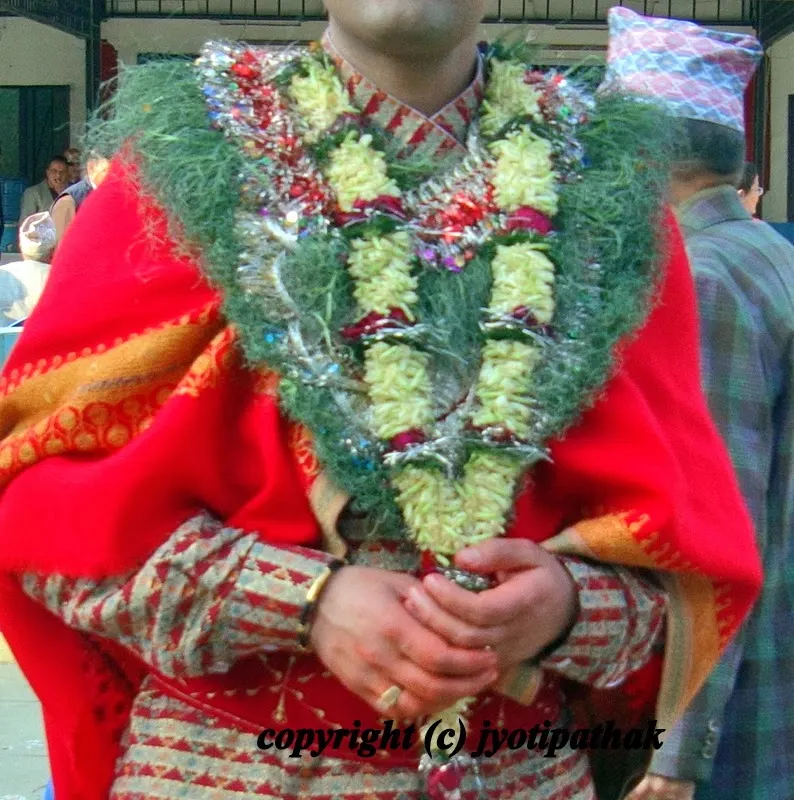
A traditional decorative ever-green Dubo grass garland (हरियो दुबो घास को माला)
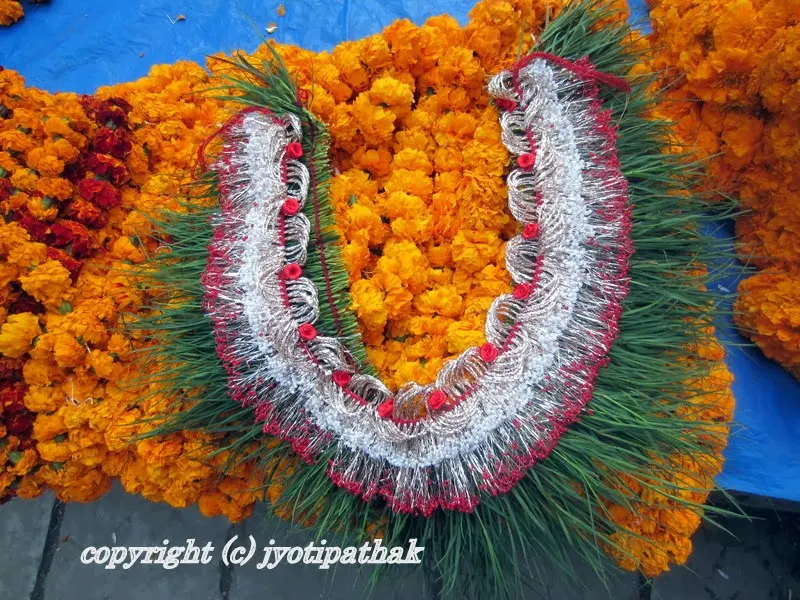
If you are a new visitor to
Nepal, you may have come across elegantly hand-woven and
decorated green grass garlands (dubo ko maalaa) either in the many tourist
areas and alleys of old Kathmandu, wrapped around the temple deities, or simply hanging in the
flower shops for sale. In today's blog posting, I am happy to
share one of most uniquely Nepali “traditional dubo grass
garland” made from ever-green sacred grass. When researching for the scientific name of the dubo grass for this post, I found the grass is called Cynodon dactylon (L.) Pers, also most
commonly known as Bermuda grass. Nepalese call it dubo ko ghaas
(panjaa, seto duvo, narkabam). In Sanskrit, it is called (dhurva,
durmara, durva). It is an evergreen perennial creeping grass common in
warmer regions in Nepal. Many people believe that the grass has
medicinal value. The grass can be easily planted from grass
seed, sod or grass plugs.
Some useful information about dubo grass can be found here.
To read about Nepal marriage ceremony and grass necklace, click here.
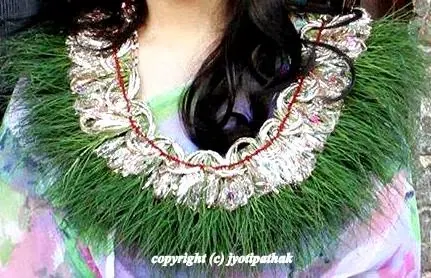
Dubo grass has a deep religious
significance and special meaning in Nepali culture. They are used
during many festivals occasions, social and religious ceremonies. No
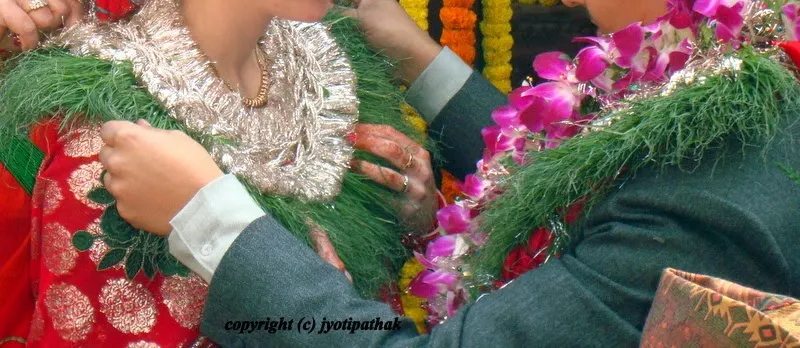
Nepali Swayamber ceremony, स्वयम्बर (part of Nepali marriage) is complete
without the most auspicious grass garland. The bride and groom
exchange the garland to each others during the religious ceremony.
According to the spiritual belief, the purifying quality of the grass
offers everlasting love and relationship. The grass does not dry and
wilt so easily after it is pulled from the ground, so the evergreen
dubo grass blesses newlyweds with fertility, prosperity in every step of their newly married life. The
garland is used in many important ceremonies including:
Janmostav (जन्मोस्तव) - birthdays
Tihar-Bhai-Tika (तिहार-भाई टिका) - brother's sister's Days
Bratabandha ceremony (ब्रतबन्ध- उपनयन) - sacred thread ceremony, young boys journey into manhood
Pasne ceremony (पास्ने) - child's rice
feeding ceremony
Ghatasthapana (घटस्थापना) - the 1st day of 10-day religious
festival of Bijaya Dashami
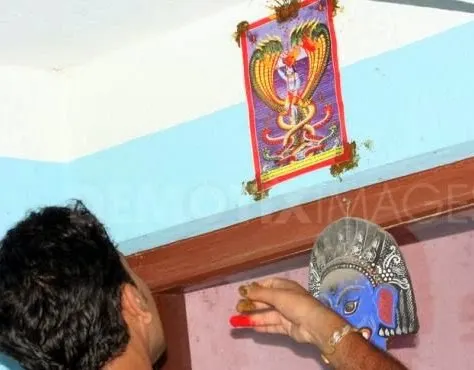
Naag Panchami (नाग पंचमी) the day of serpent god
Dubo garland is offered to deity (भगवान लाइ चडाउने) - as a mark of devotion during many auspicious celebration
It is also presented to honorary guests to welcome, honor and show the
respect (अथिति सत्कार)
Garland makers are often busy making the maalaa for
special orders. They have mastered weaving the grass into
a beautiful work of art. Apart from using as a garland, just plain
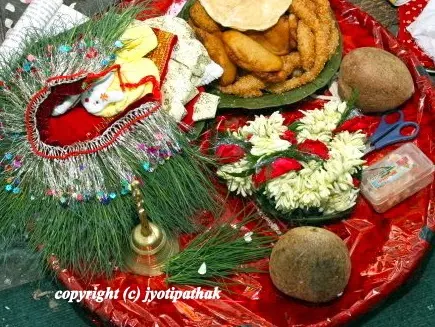
small bundles of dubo are offered to deities during Pooja ceremony. The sacred grass itself is considered
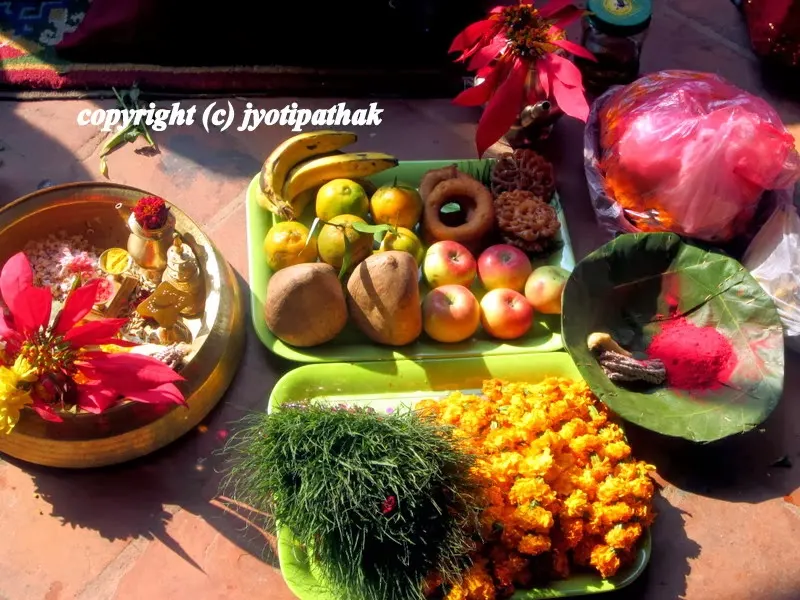
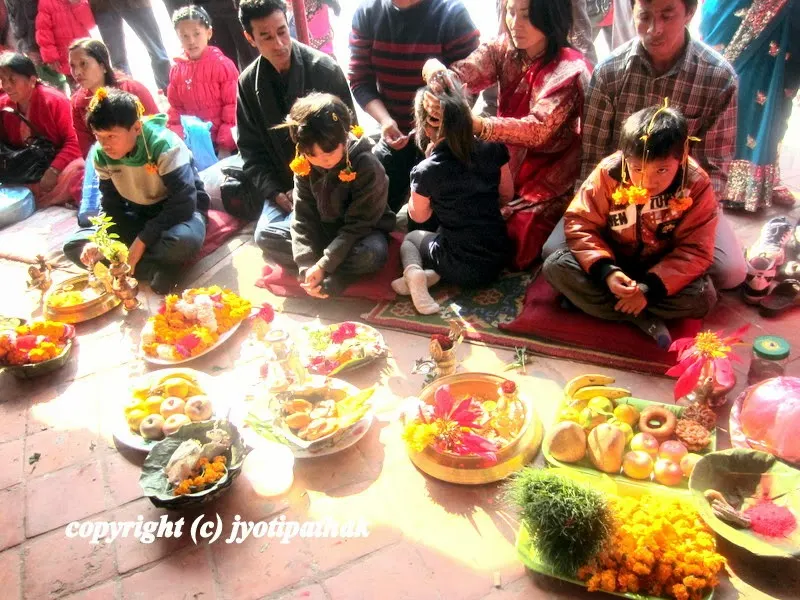
auspicious and is used in many religious rituals. During Tihar-Bhai-Tika
ceremony small bundles of grass are dipped in oil with holy water and applied in the floor for purification of the place before the ceremony starts. Small bundles dubo grass are used as a brush to apply oil in brother's hair by sisters during the ceremony.
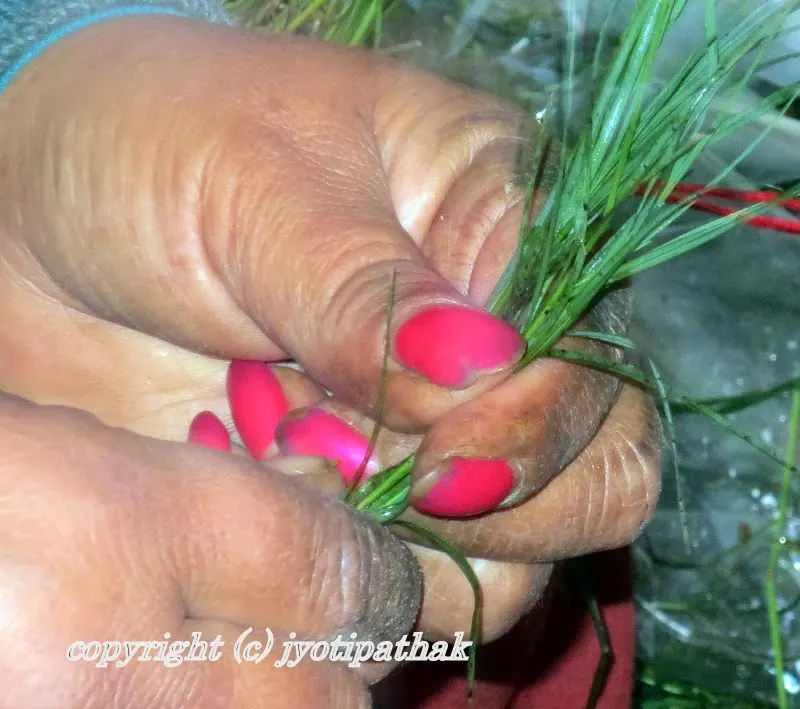
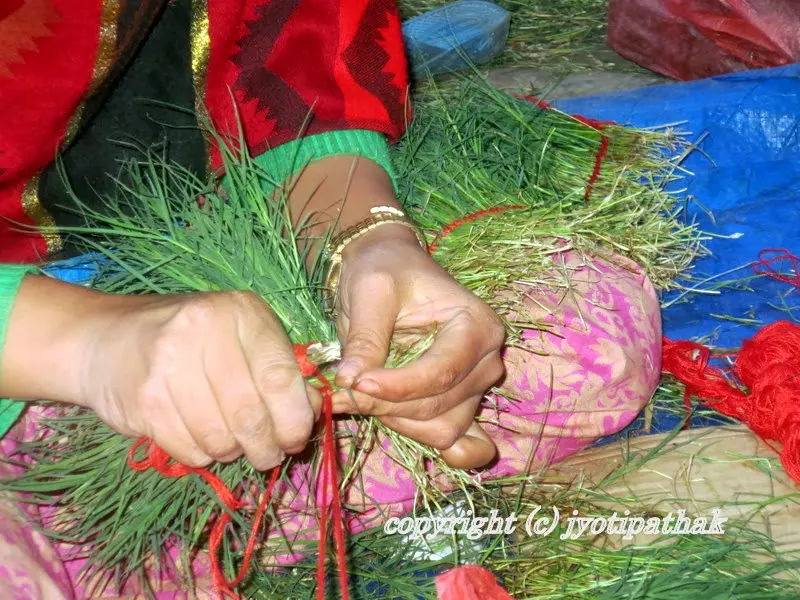
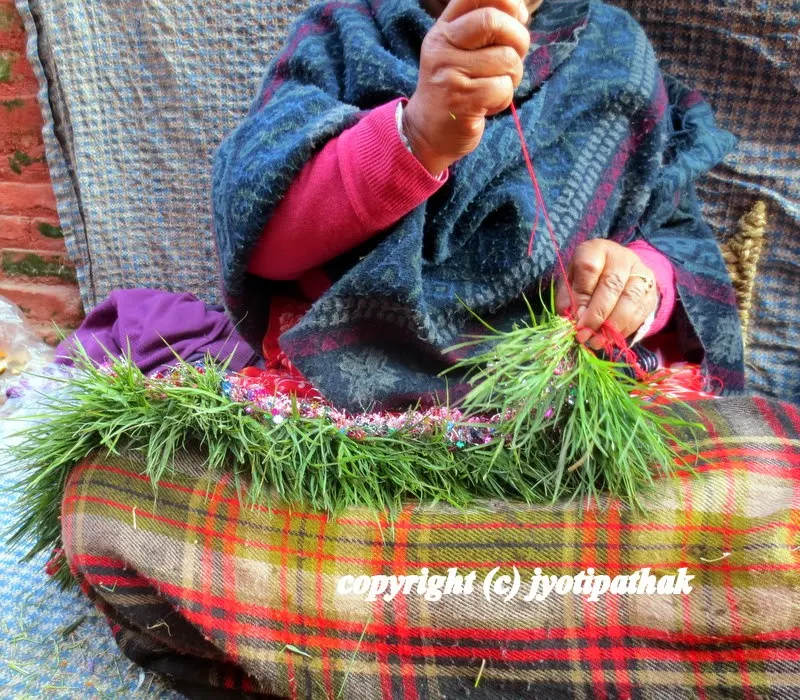
While walking through the narrow streets of Bhedasingh near Indrachowk area of Kathmandu, during Tihar-Bhai-Tikaa festival time, what really caught my attention was several ladies creating traditional dubo grass garland, weaving in such a beautiful way -- a true work of art. I asked the lady in the corner if she minded me photographing and observing her method of creating the garland. She delightfully agreed to my proposal, but asked that I do not show her face in the pictures.
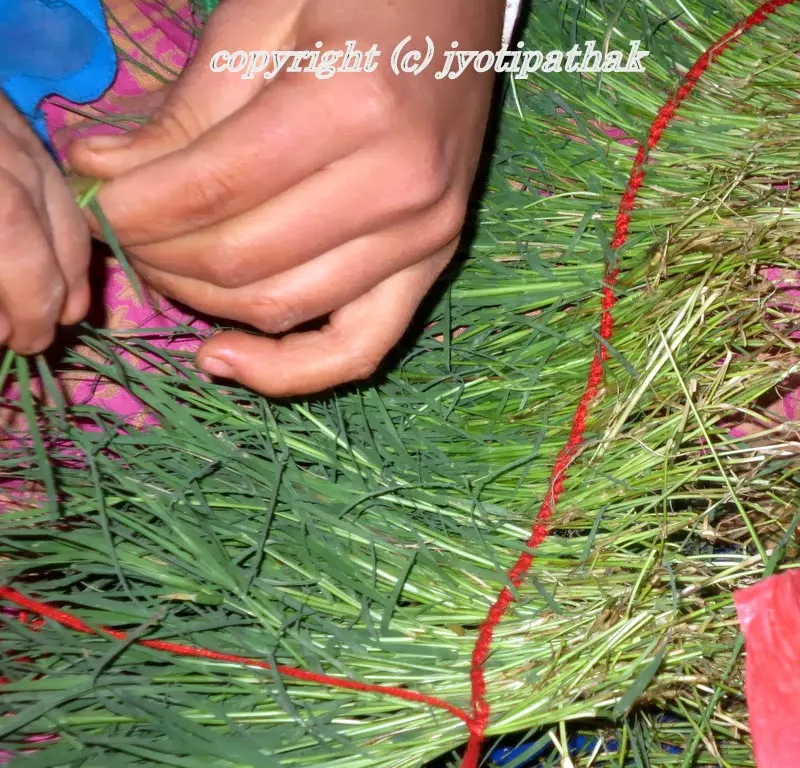
Discover how easy it is to create the beautiful dubo garland from the delightful lady who sits in front of the temple daily. If you ever get hold of perennial creeping grass, dubo and want to re-create the most important grass garland of Nepal, here is her step-by-step tutorial pictures. If you ever create the garland, please take a picture and post in the comment section of my blog.
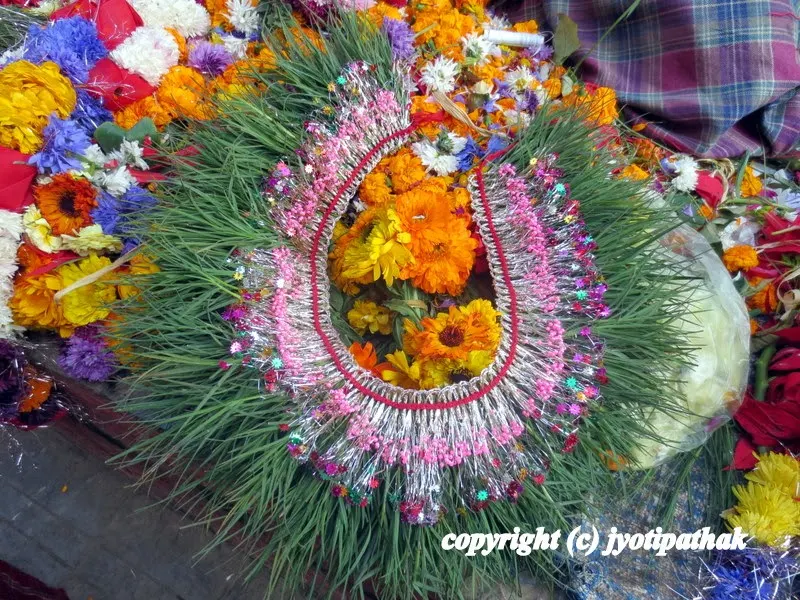
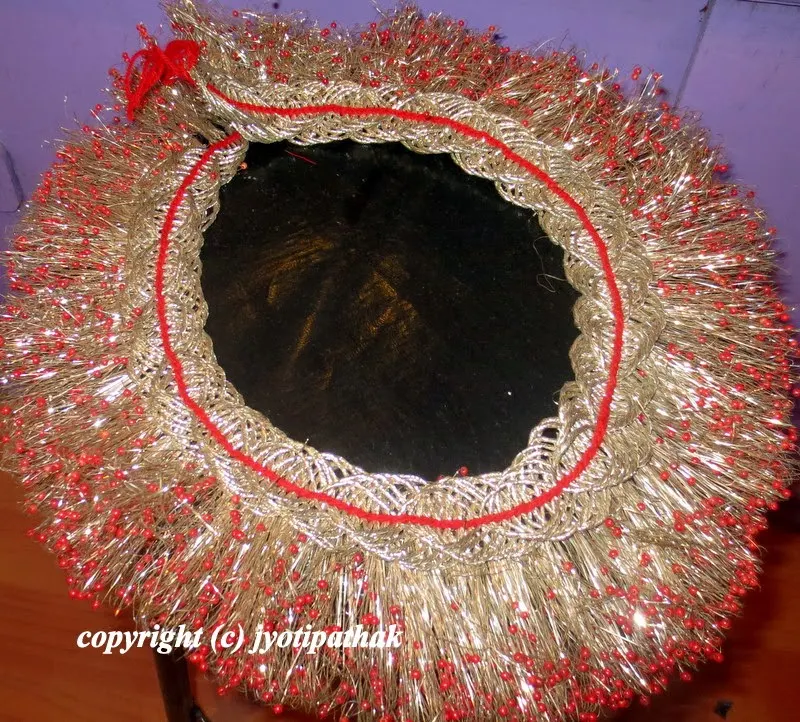
Image on the left - artfully woven, enhanced with shiny silver metallic yarn (zari) decorated with pink beads and sequences - special ordered garland ready to be hand delivered or picked up by a customer. The garland maker prepares garlands for many occasions, usually completes in 55 minutes or less, but they have several helpers during busy festival seasons when there is a big demand.
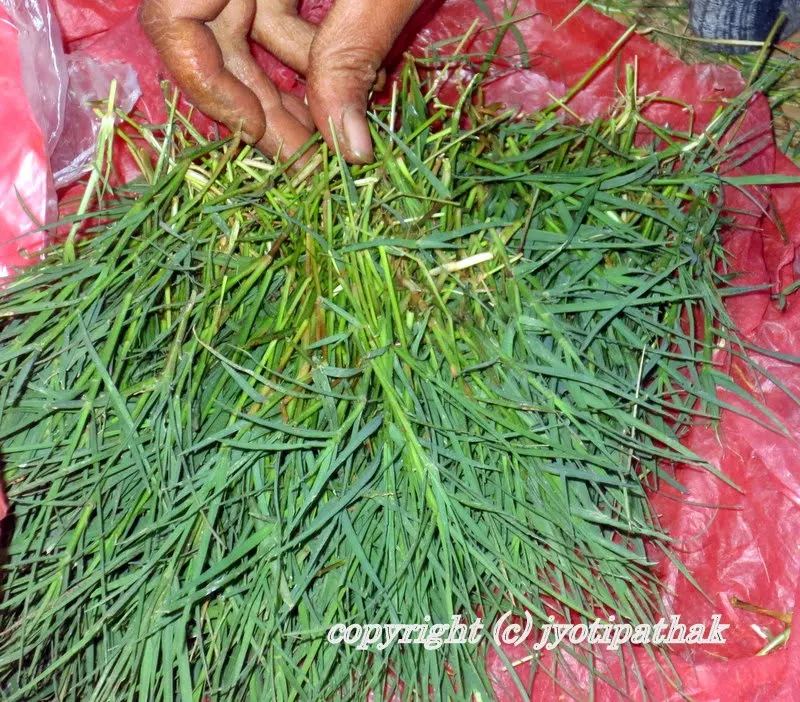
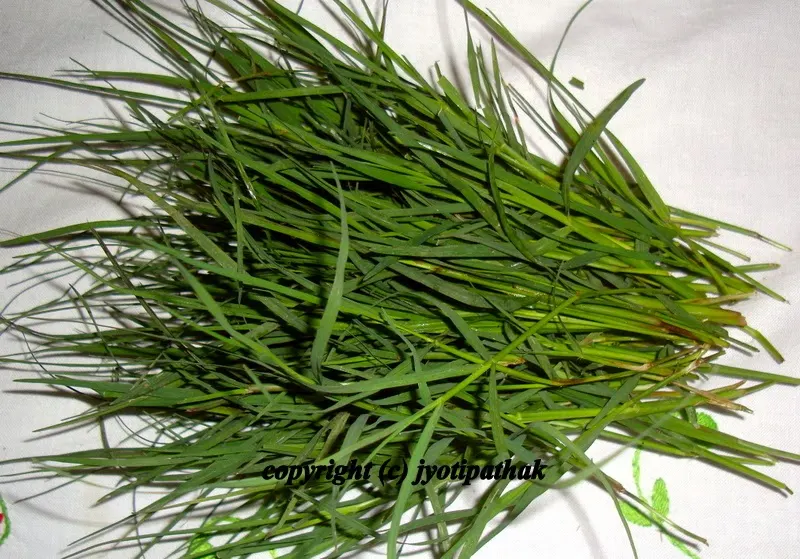
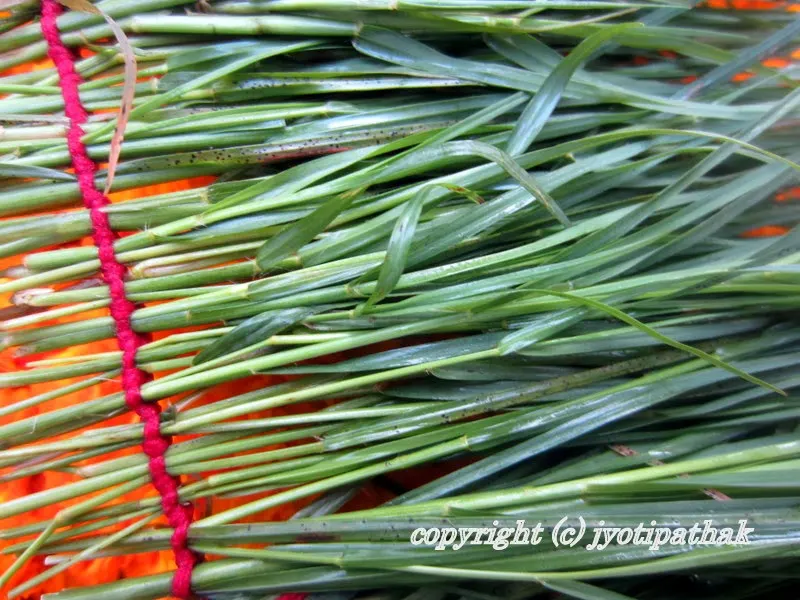
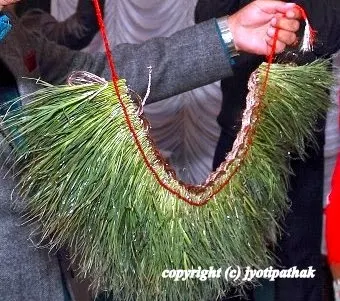
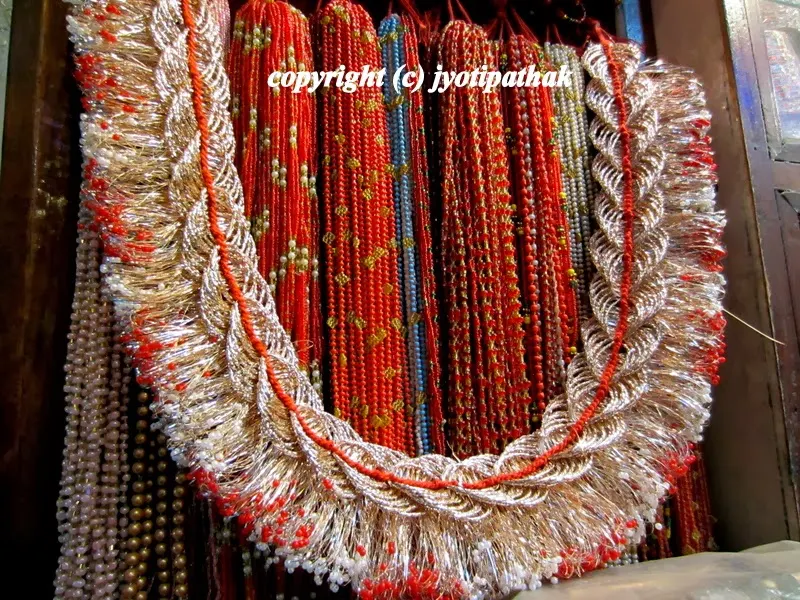
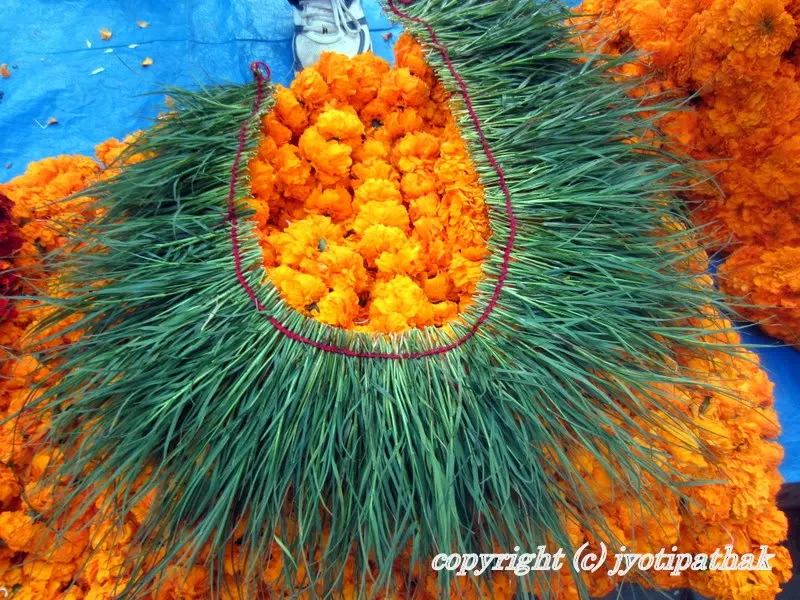
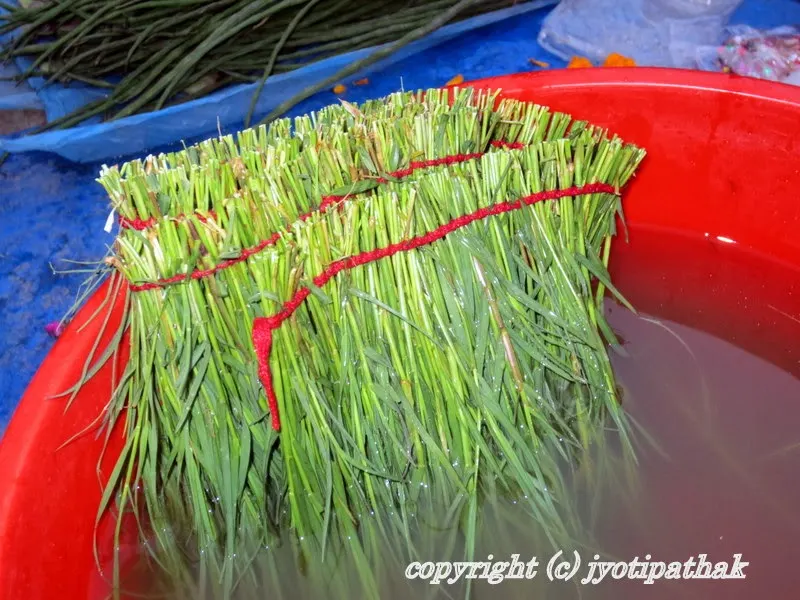
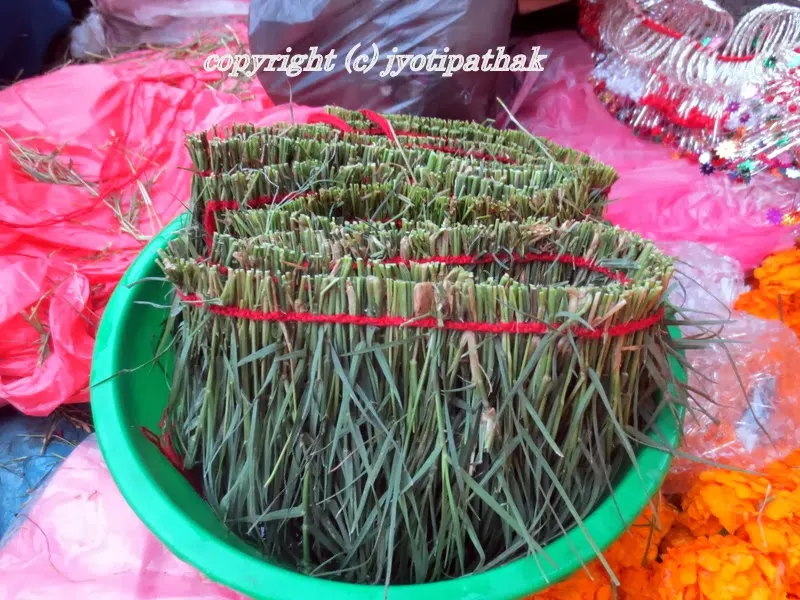
…sometimes, the completed garlands are covered with moistened towel to keep it fresh. It is then stored in a cool place until ready to use. The above two images show that the garlands are stored plain without adding metallic decorative enhancer.
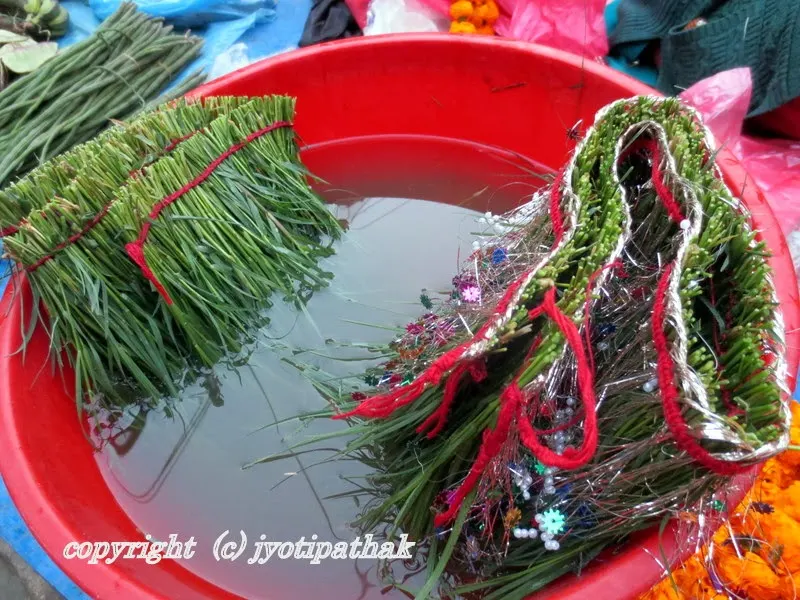
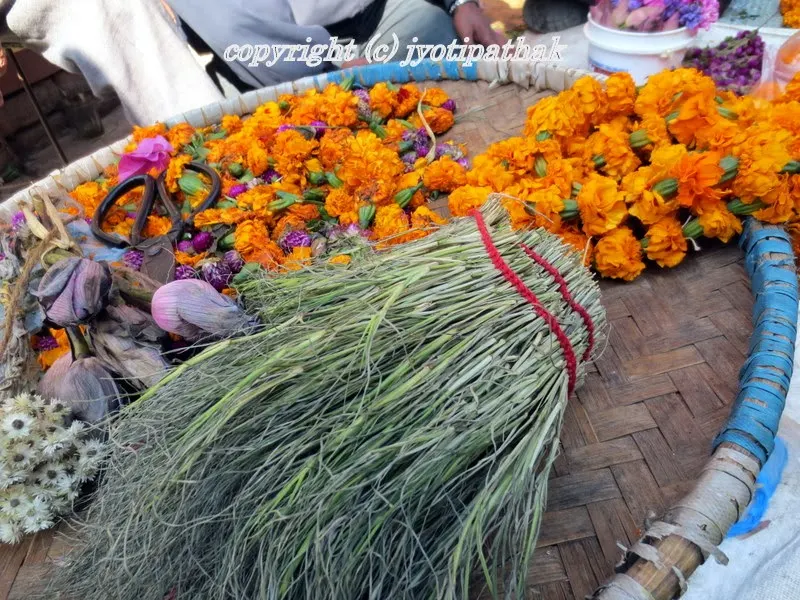


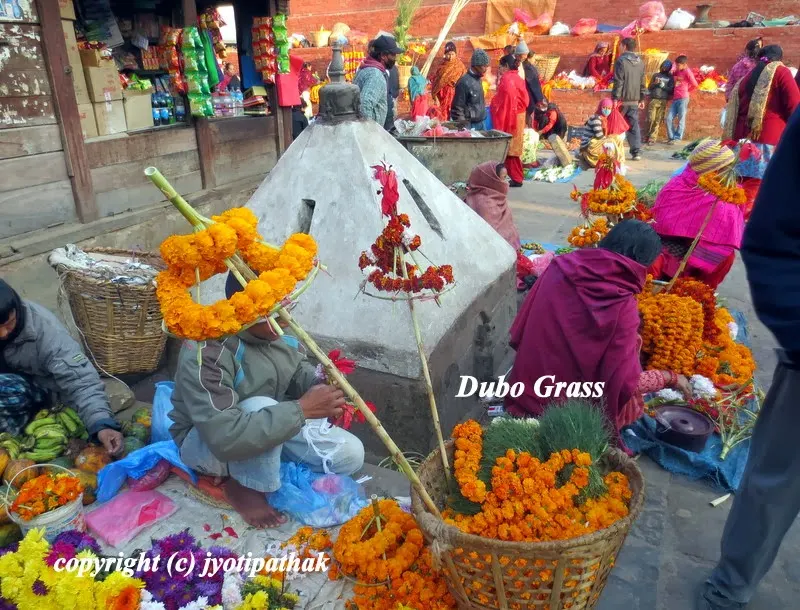
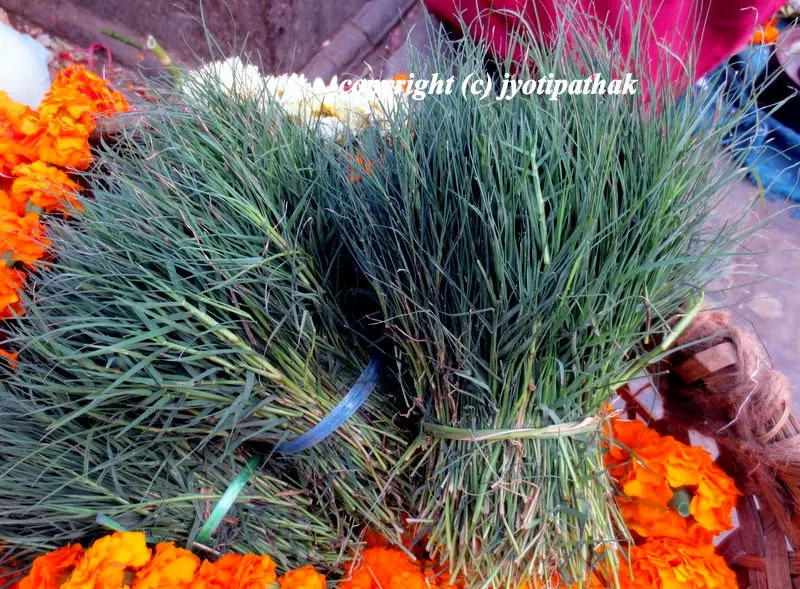
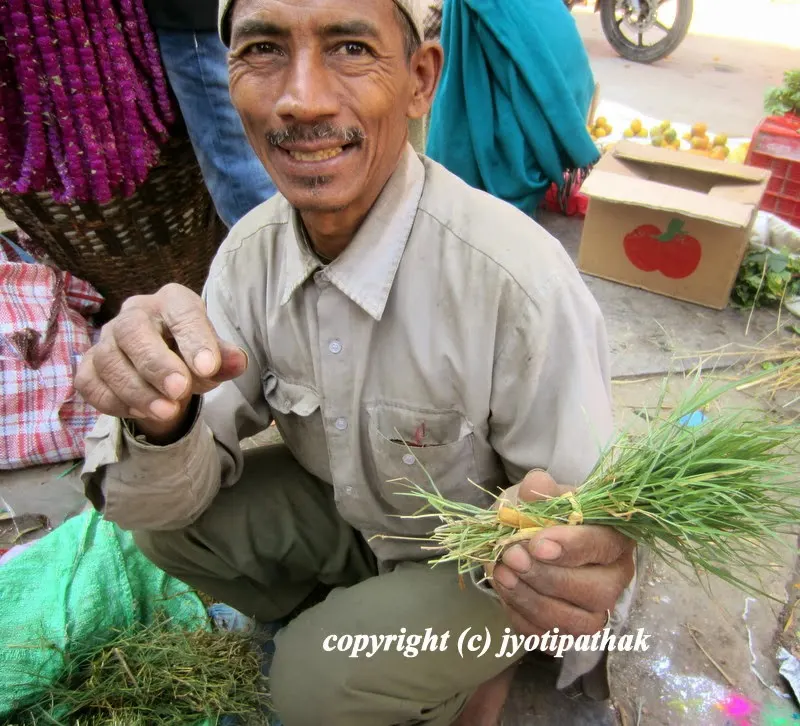
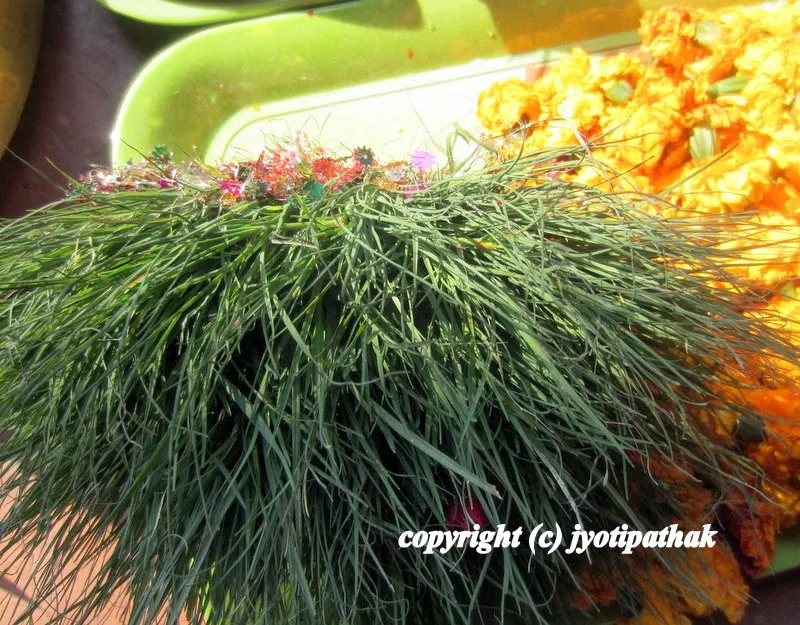
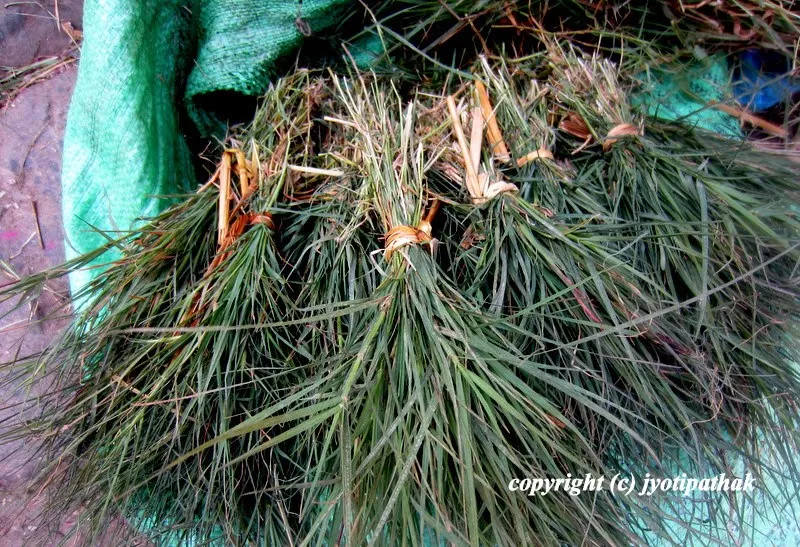
The street vendor is selling small bundles of dubo grass during tihar-Bhai-tika festival time. He told me the grass has great medicinal value and said to have a strong healing effects. he added, "if you walk on the grass barefoot early in the morning, when the grass is still covered with dew drops, it has a great healing power."
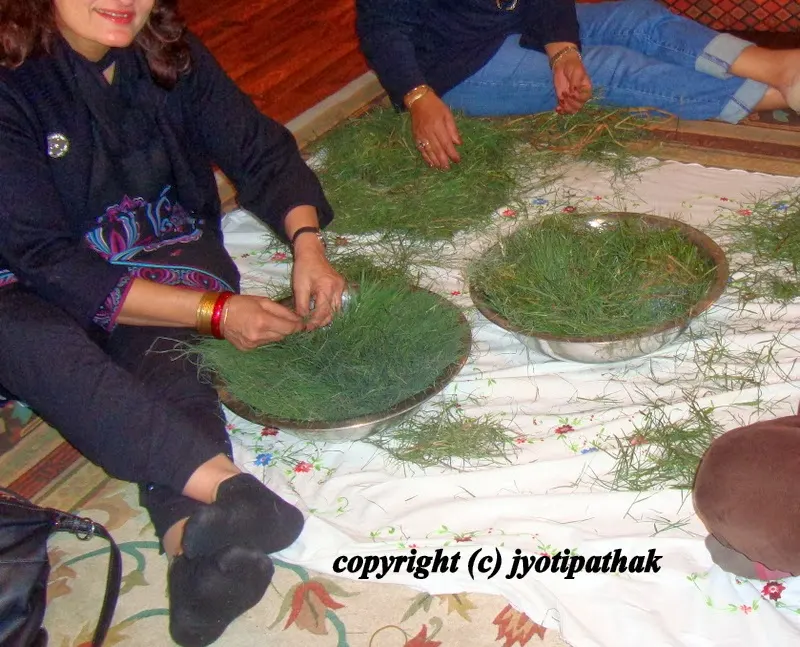
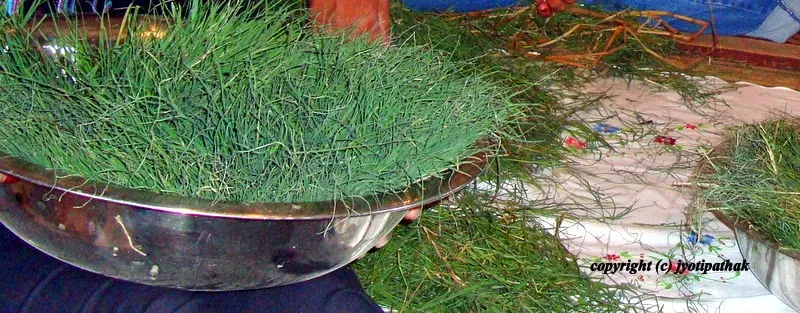
listening to the famous Nepali folk song, while creating the garland "फ़ैलियॊ माया दुबो सरी, कहिले घटेन (failiyo maayaa dubo saree, kahile ghatena" - translation - how love spreads like the dubo creeping grass, everlasting) - here is the link of the song through you tube.