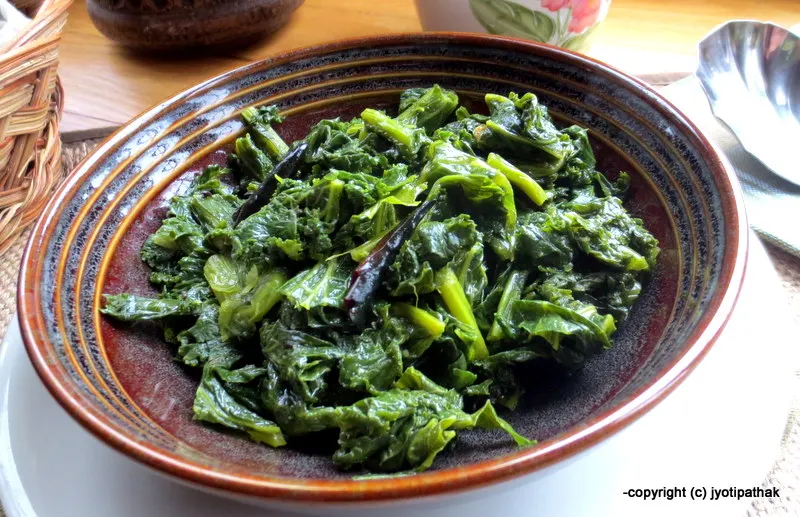
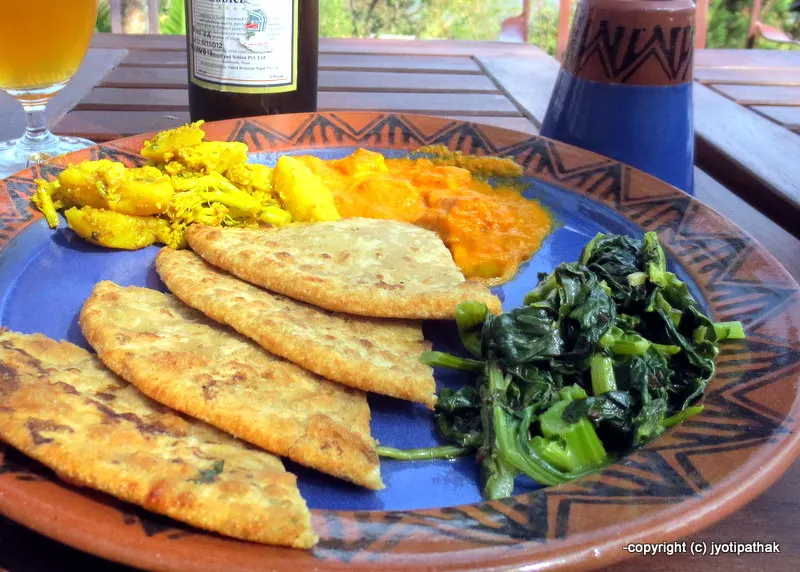
Raayo ko Saag (Mustard Greens)
Mustard Greens (Sit le Khaeko Raayo ko Saag)
Nepal's very own winter specialty
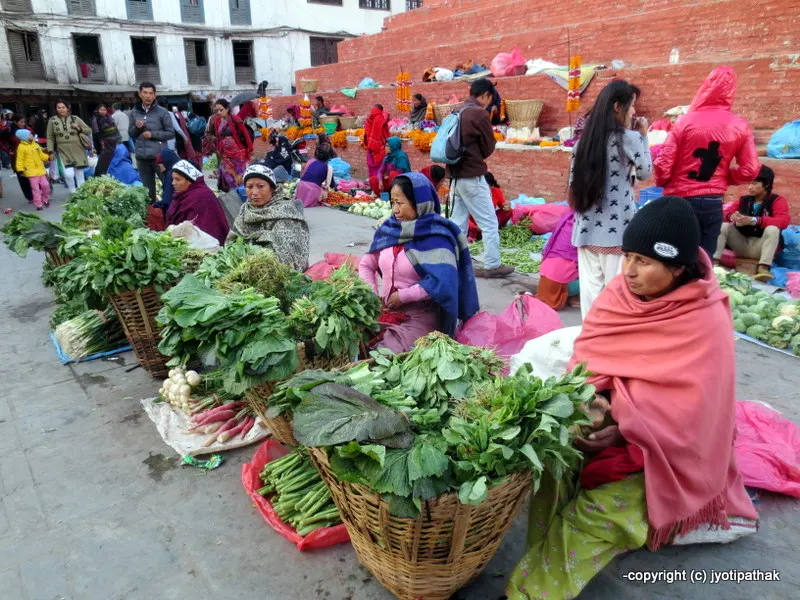
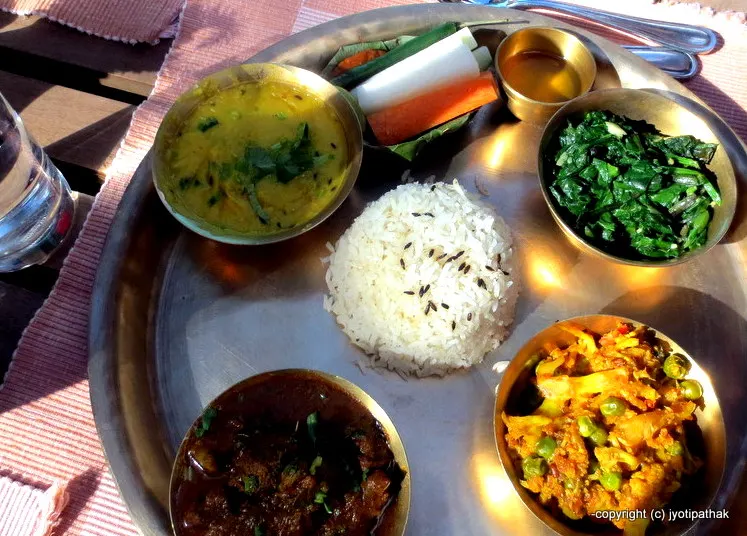
Nepal has a complex topography with hills and flat lands, and the Kathmandu valley is renowned for the seasonal vegetables grown in its fertile soil. Vegetables (tarkaari) are one of the most important foods in the daily Nepali diet, and a typical Nepali meal consists of rice, lentils, and some kind of side vegetable dish.
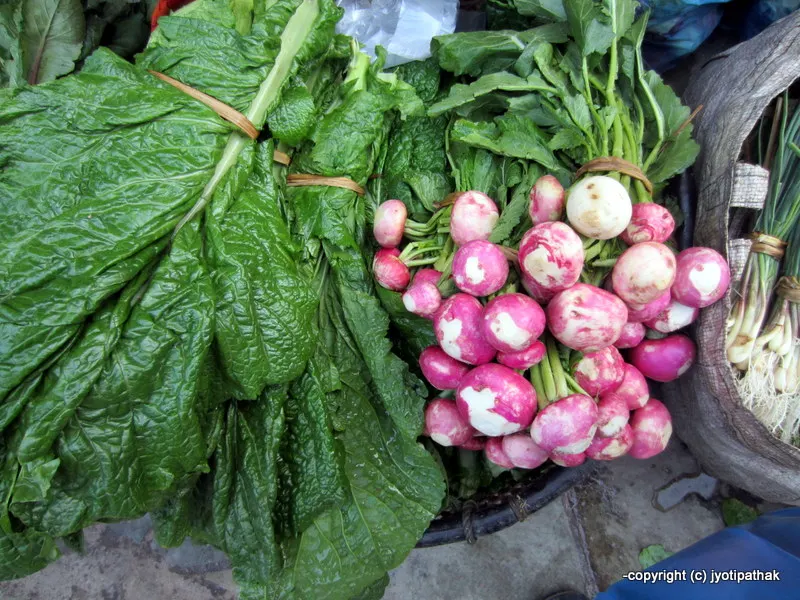
Mustard greens (raayo ko saag) are one of the most common and popular winter vegetables grown in abundance from November throughout April. The cool-season annual vegetable grows quickly and thrives in chilly weather. Mustard leaves have rich dark-green colors and a pungent mustard flavor with a biting taste. The greens are pungent and bitter only when eaten raw, but they become soft and delicious when cooked. The young tender leaves and long stalks taste best during colder weather, that is, fall, winter, spring. The greens can't tolerate the summer heat and quickly develop seeds, becoming bitter and less tender. The leaves from the plants are harvested one-by-one as they mature; this allows the plants to continue producing. As the mustard plants matures, it starts to form flowering shoots which is known as raayo ko duku. The young mustard shoots are also eaten as a vegetable and appreciated by many Nepalease.
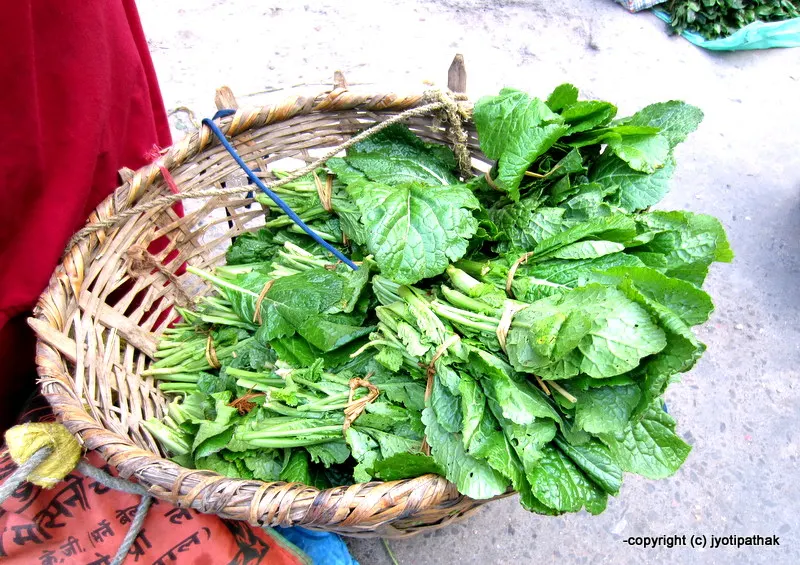
What is sit le khaeko saag? In the winter months, when the pungent leaves of mustard plants are exposed to frost, they become very tender and delicate. Sit le khaeko saag literally translates as "mustard greens tenderized by frost" and are among the most tender and delicious greens.
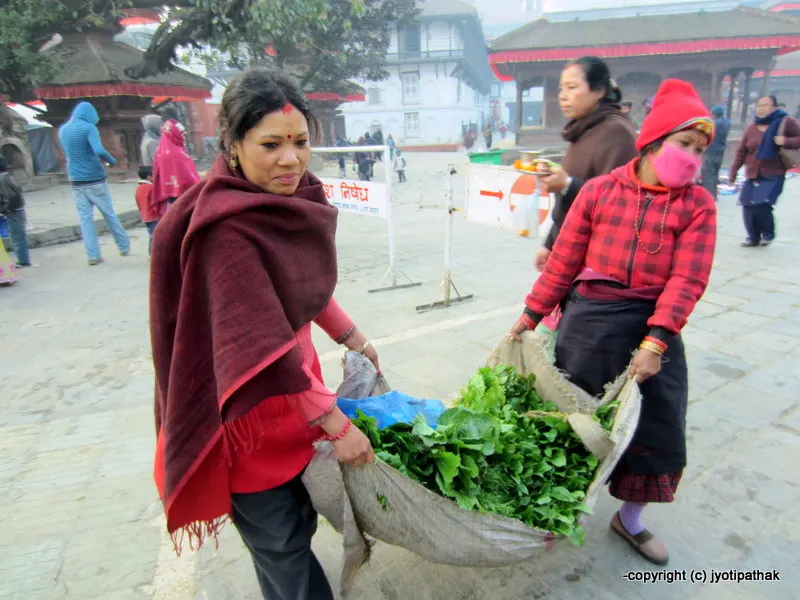
The botanical name of leaf mustard is Brassica Juncea (L.) Czen. & Cos, Family: cruciferae. Mr. Puskal P. Regmi in his book, “An introduction to Nepalese Food Plants” (1982) writes, “leaf mustard is the most common cultivated green vegetable of Nepal, grown in hilly regions and now cultivated in Tarai area also. The several types of leaf mustard so far believed to be met with in Nepal are as follows:
Broad leaved Mustard (B.Juncea, Var. folicosa Bailey), Curled mustard, Ostrich plume (B. Juncea, var. crispifolia Bailey, B. Juncea, var. multisecta Bailey, B. Juncea, var. auneifolia (Roxb.) Kitam, B. pekinensis, Rupr – chinese cabbage.”
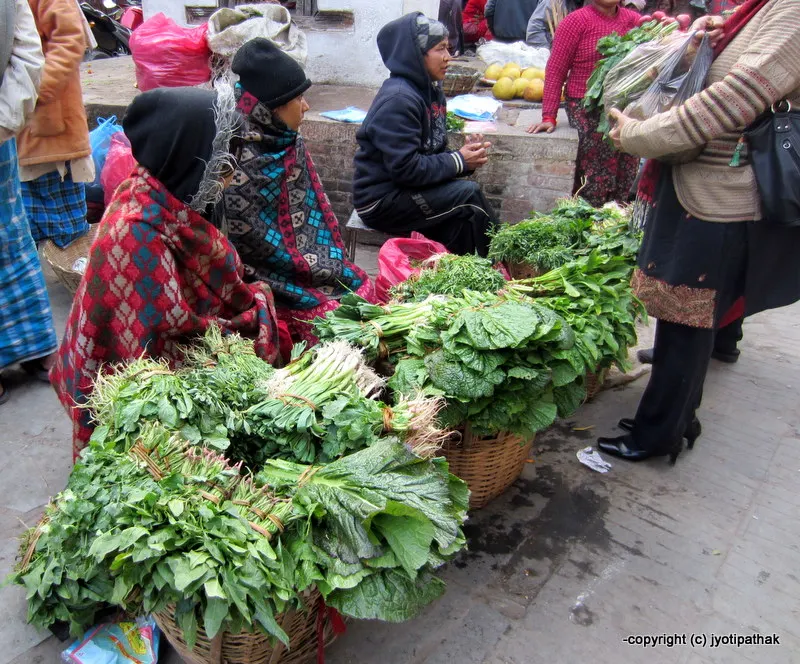
“Leaf mustard represents a perfectly national dietary greens of Nepal available to the majority of the people. Until a recent past, this leaf mustard which was slangly called by the people living in Tarai as a Nepali tobacco, has now gradually come to stay as a popular green vegetable, according to the way it is available in plenty all over the village markets of Tarai.”
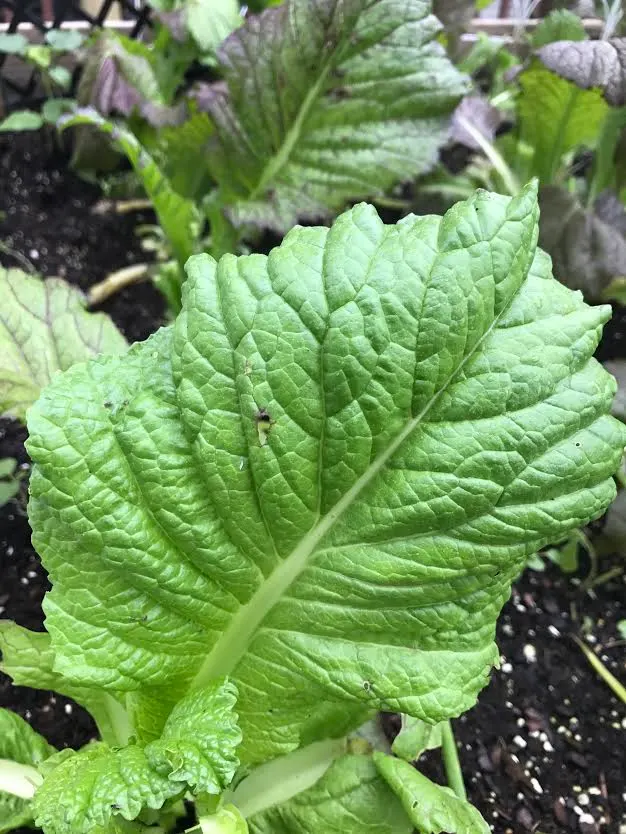
Traditionally, Mustard greens are cooked as simply as possible with a very little seasoning. They are just cooked by themselves in a little oil, flavored with ajowain seeds, dried red chilies, and ground fresh ginger-garlic until completely tender but still has bright green color. How long you allow the greens to cook is a matter of taste. Some people cook until the liquid has evaporated and dried out. No matter how you cook, it is important not to overcook because you want to preserve the fresh flavor of the greens. Nepalese never add water while cooking greens. It is cooked only with the water that clings to the leaves after washing.
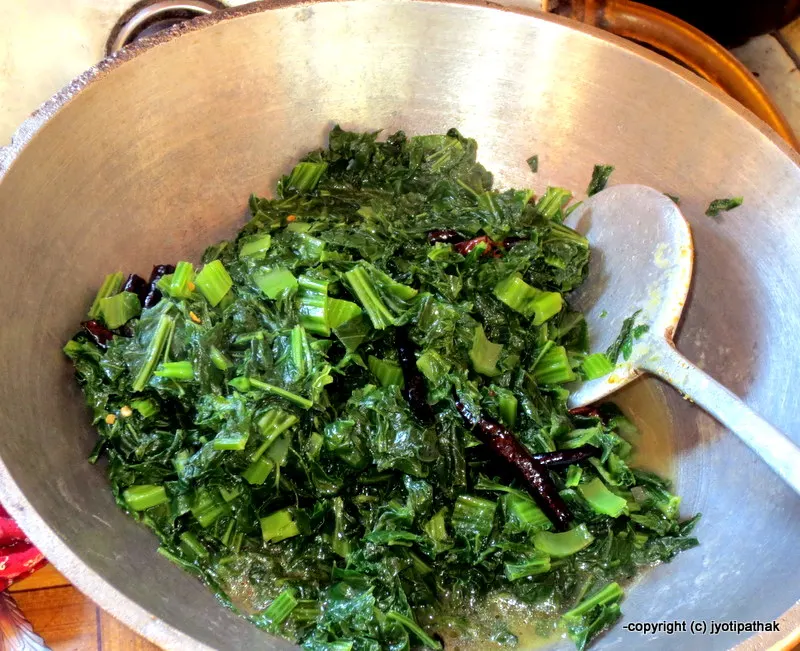
Here is my recipe for making a delicious "Raayo ko Saag" - it has simple ingredients and quick preparation. Enjoy one of the most liked winter vegetable of Nepal.
Ingredients
2 to 3 bunches fresh mustard greens (about 2 pounds)
3 tablespoons mustard oil (or any oil of your choice)
¼ teaspoon ajowain seeds
2 dried red chilies, halved and seeded
2 medium clove fresh garlic, minced
1 ½ teaspoon minced fresh ginger-garlic
Salt to taste
Directions
Tear the mustard greens into bite-sized pieces. Rinse the torn mustard greens in cold water. Drain and reserve.
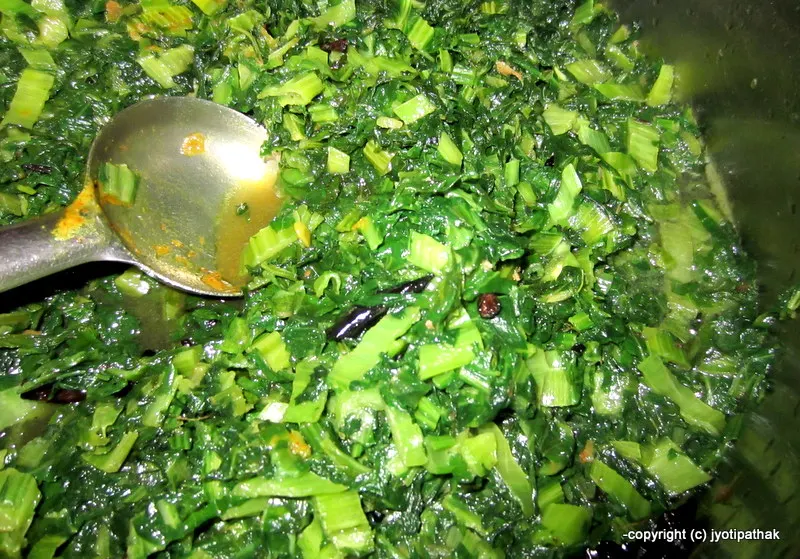
Heat the oil in a heavy saucepan over medium-high heat, until faintly smoking. Add the ajowain seeds and dried chilies and fry until lightly browned and fragrant, about 5 seconds. Add the mustard, garlic, ginger and salt. Cover the pan and cook, stirring occasionally, until the greens become tender and most of the liquid evaporates, 10 to 12 minutes. Transfer the greens to a serving dish and serve immediately. Makes 4 to 6 servings.