Happy Bijaya Dashami 2013 - विजया दशमीकेा शुभकामना (Part 2)
Celebrating Nepali Dashain festival 2013 (Part 2)
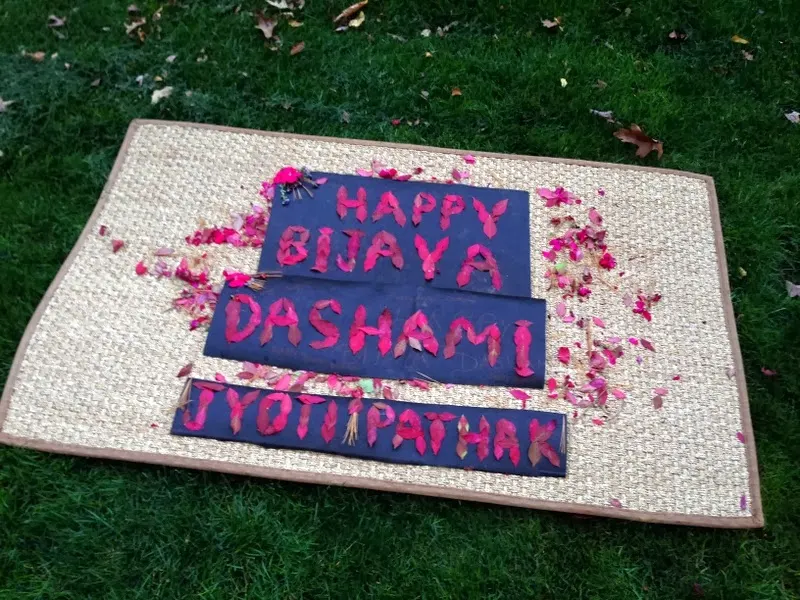
Happy Bijaya Dashami to all!
विजया
दशमीकेा शुभकामना! (B.S. 2070)
Part 2 of "Happy Bijaya Dashami"
This is the continuation of previous post. Please come along with me to explore more pictorial story of the festival of Nepal.
Bijaya Dashami photo guide 2013 - (Part 1 of 3) Bijaya Dashami photo guide 2013 - (Part 2 of 3) Bijaya Dashami photo guide 2013 - (Part 3 of 3)
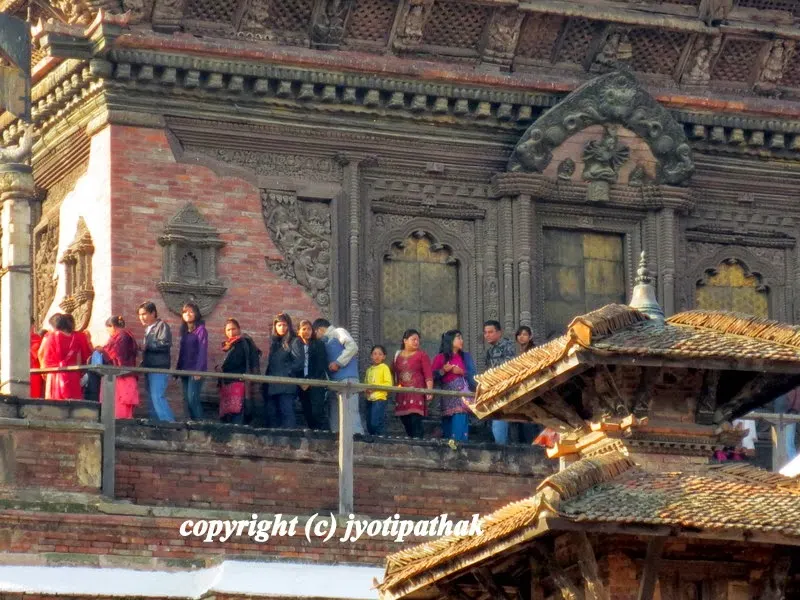
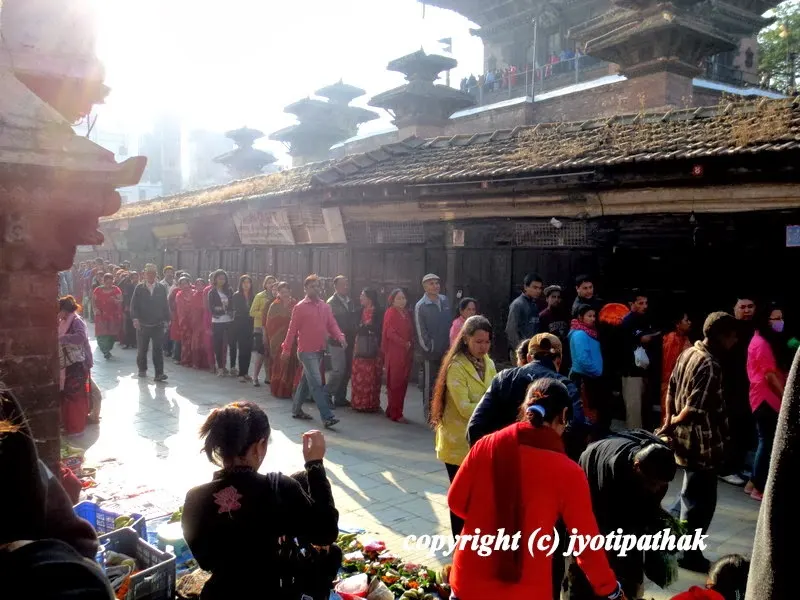
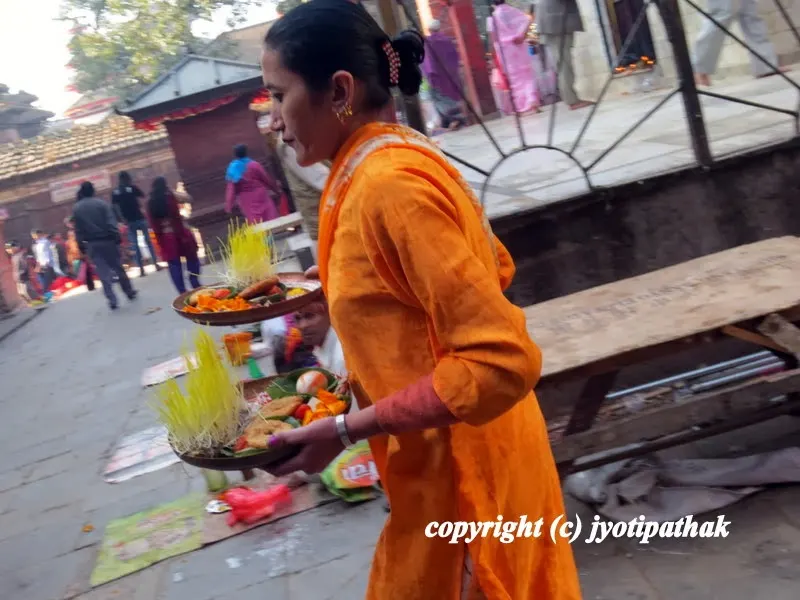
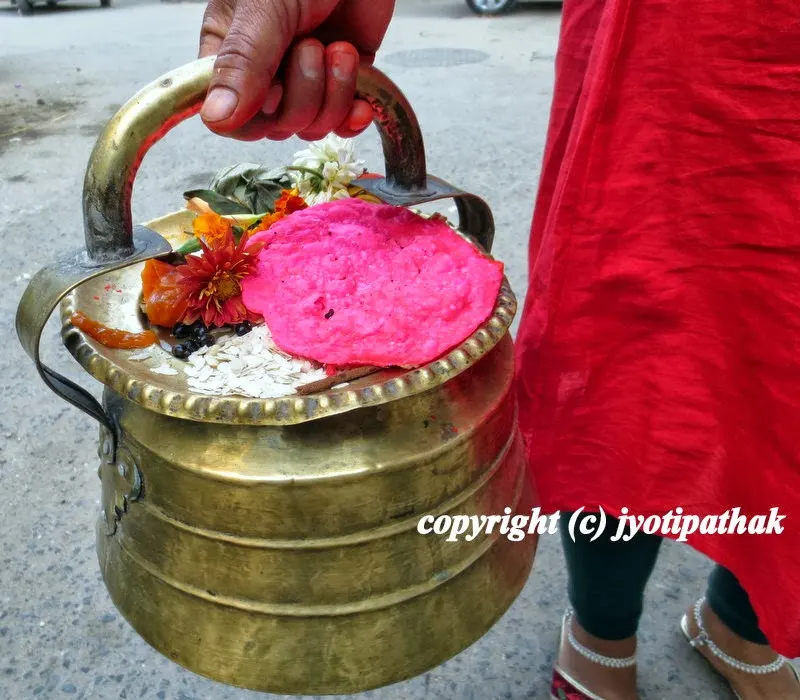
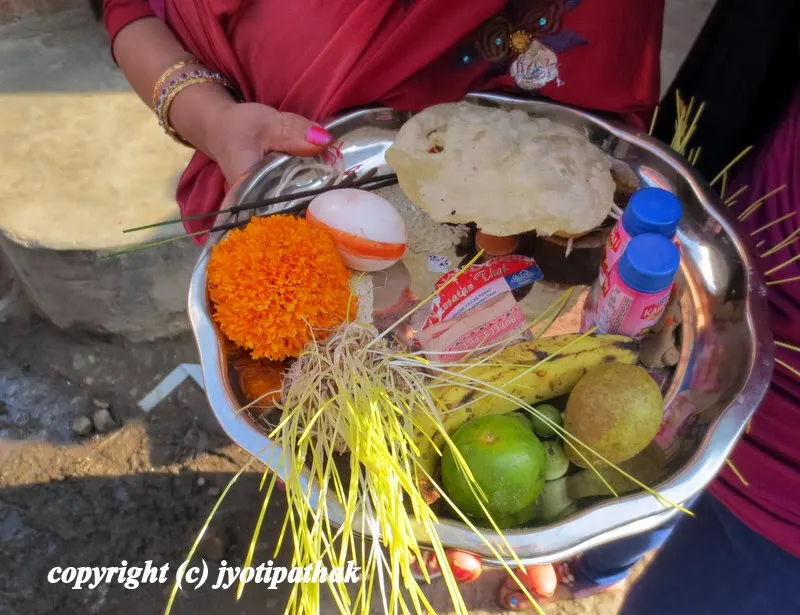
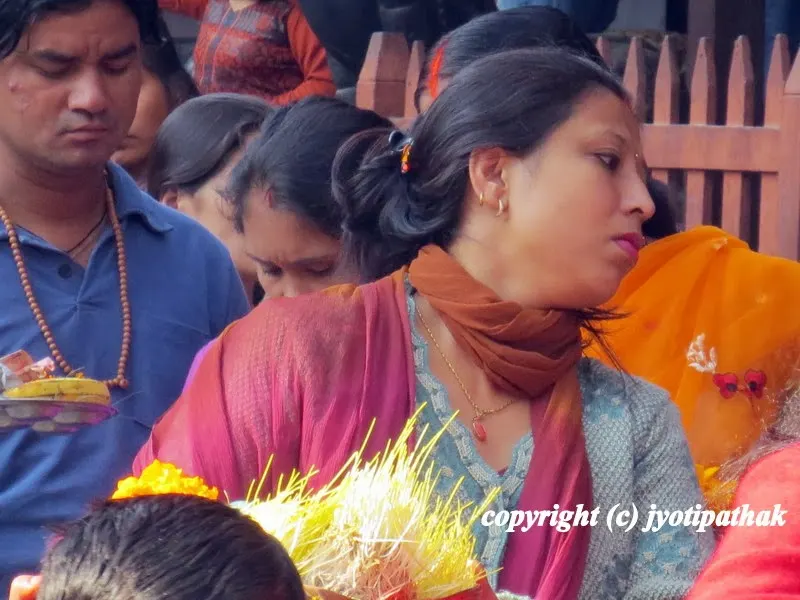
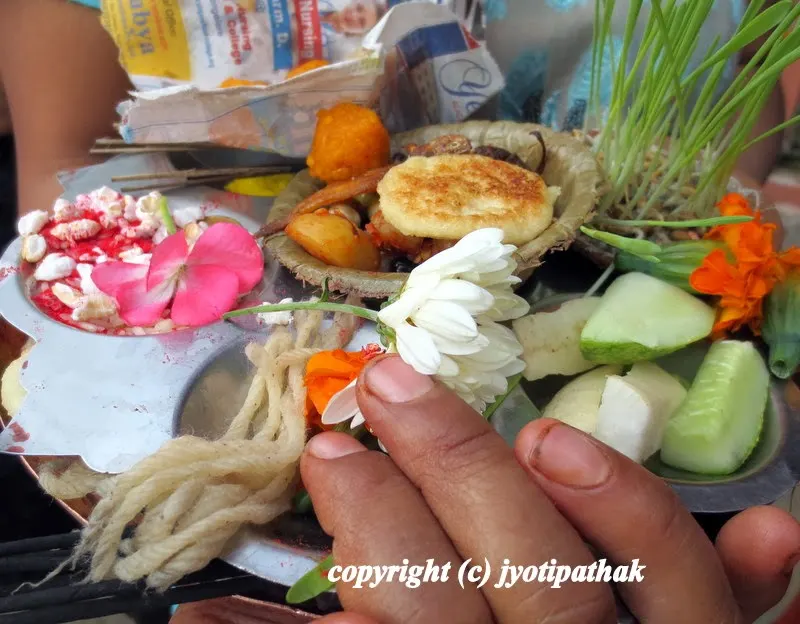
Capturing Dashain moments at Taleju Bhavani Temple at the Hanuman Dhoka, Kathmandu - some devotees are lined up with their tray of Pooja ko Samagri (religious offering) to the goddess Taleju. The temple is opened to general public only once a year during the ninth day of Dashain festival.
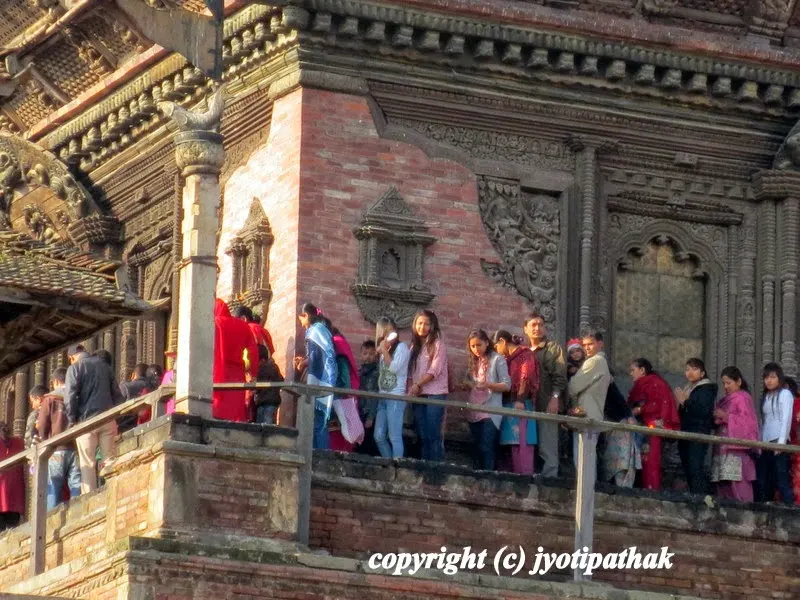
Admiring the sights and sounds of Dashain time - another view of Taleju Bhavani temple - thousands of devotee have started to form a line before dawn and patiently waiting for their turn for Darshan (to pay respect to goddess) and offer prayers.
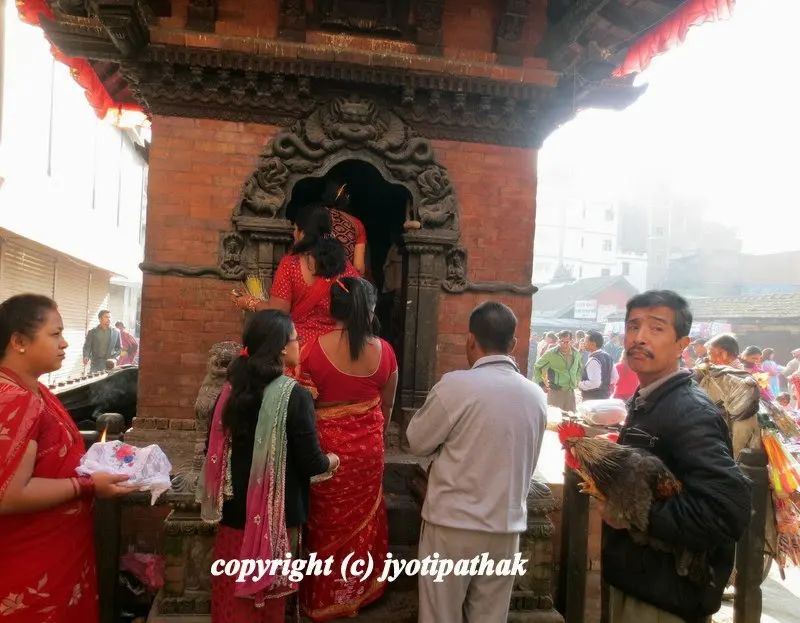
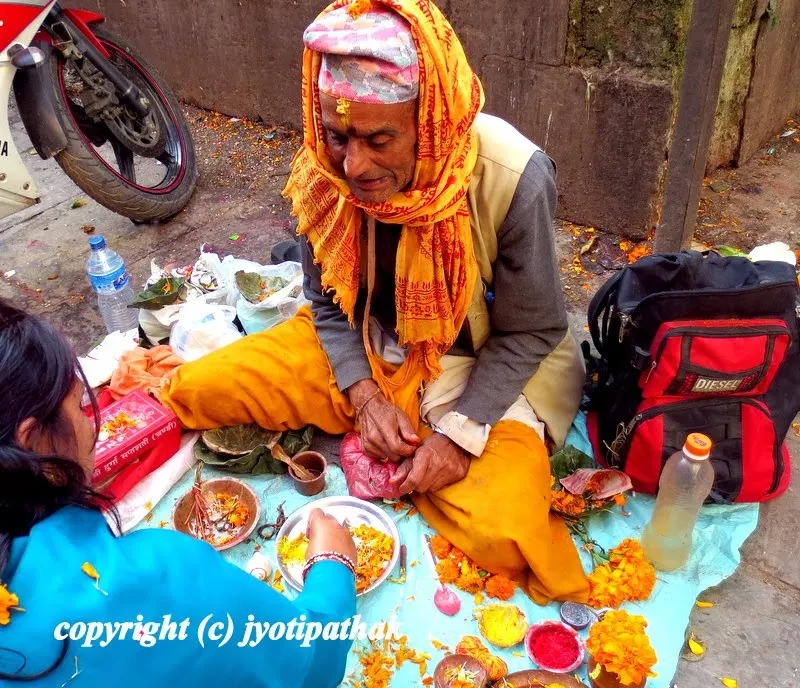
Daily rituals during festival time - devotees have been visiting many religious temples and shrines in the Kathmandu valley and outside the valley – they are Shova Bhagawati, Nardevi, Naxal Bhagawati, Guheswori, Dakshinkali, Bhadrakali, Raktakali, Maitidevi, and Sankata and many more...
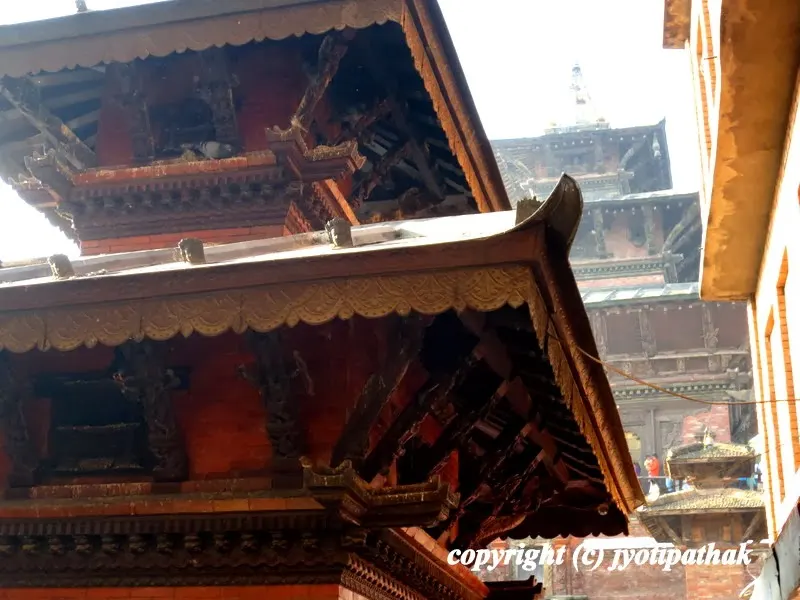
The Taleju Temple in the back -
the square's most magnificent temple stands at to the northeast, but is not open to the public. Even Hindus can only visit the temple
briefly during the annual Dashain festival. The Taleju Temple was
built in 1564 by Mahendra Malla. Taleju Bhawani was originally a
goddess from the south of India, but she became the titular deity, or
royal goddess, of the Malla kings in the 14th century. Taleju temples
were erected in her honour in Patan and Bhaktapur, as well as in
Kathmandu.
The temple stands on a 12-stage plinth and reaches more than 35m
high, dominating the Durbar Sq area. The eighth stage of the plinth
forms a wall around the temple, in front of which are 12 miniature
temples. Four more miniature temples stand inside the wall, which has
four beautifully carved wide gates. If entry to the temple were
permitted it could be reached from within the Hanuman Dhoka or from
the Singh Dhoka (Lion Gate) facing Durbar Sq. Directly across from
the Taleju Temple is a 10th-century kneeling Garuda statue.....continue reading here, the article from Lonely Planet.
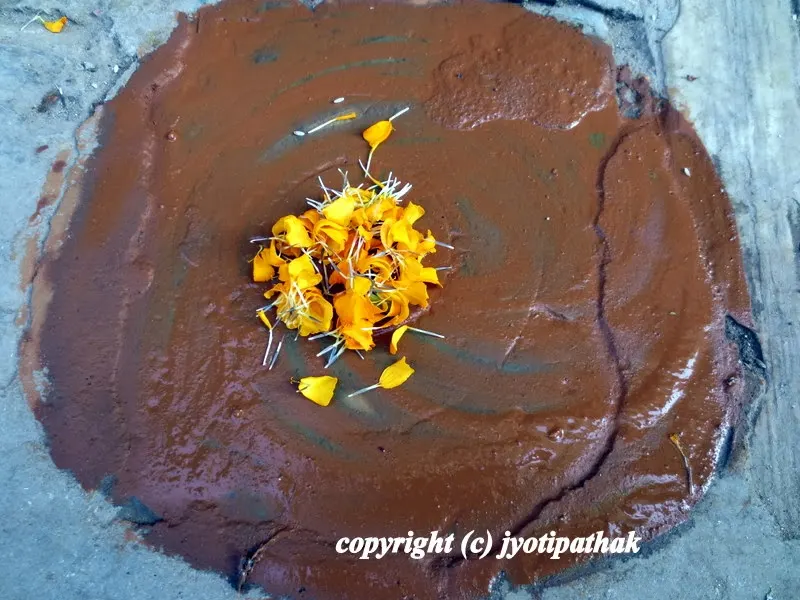
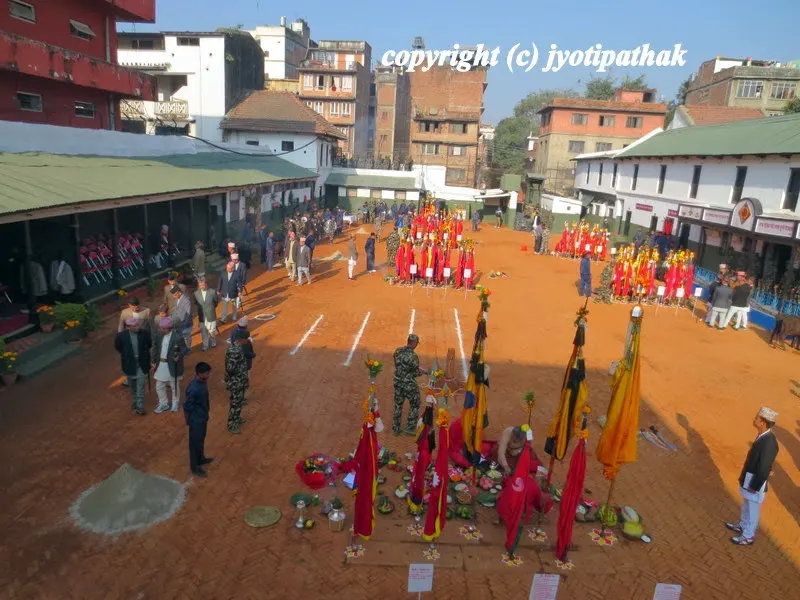
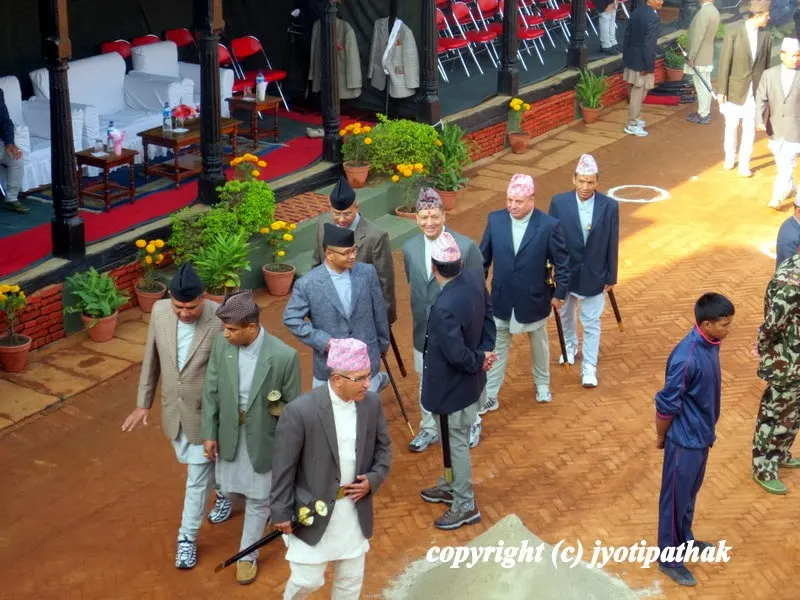
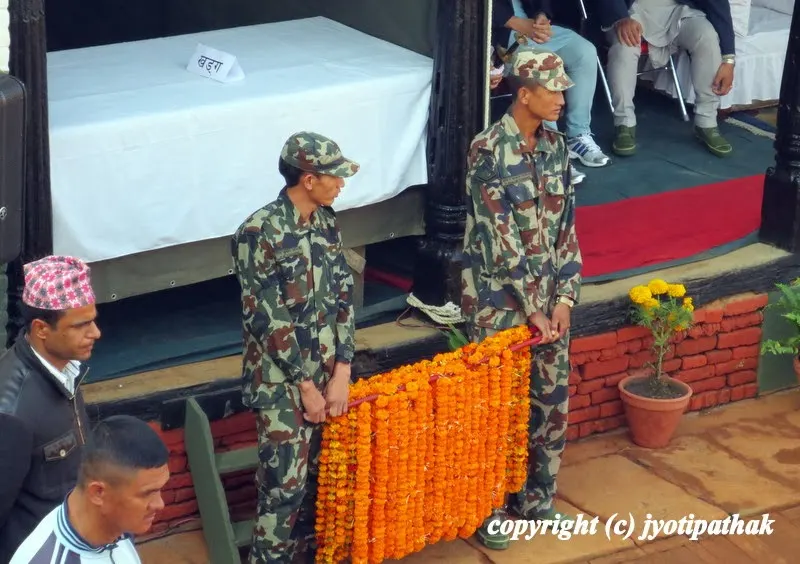
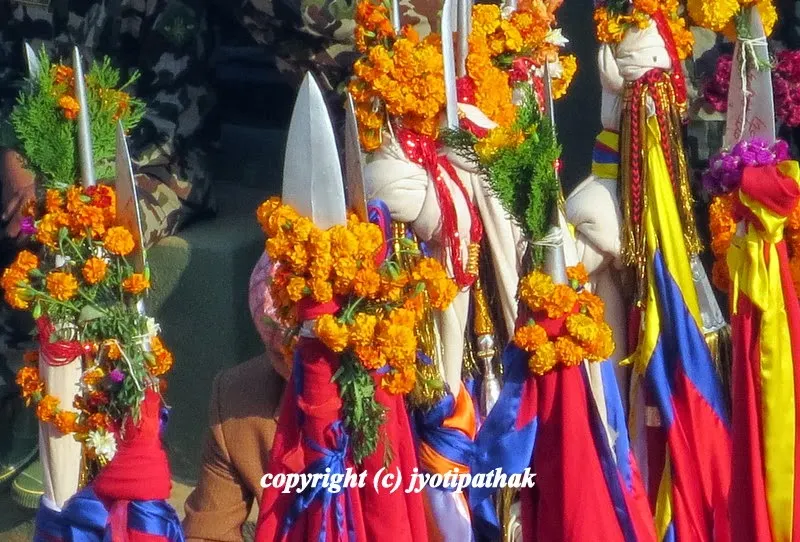
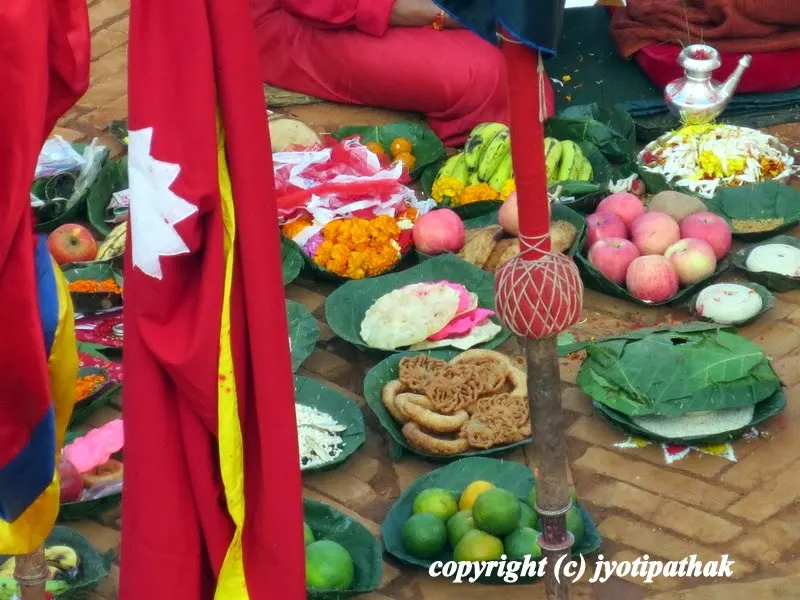
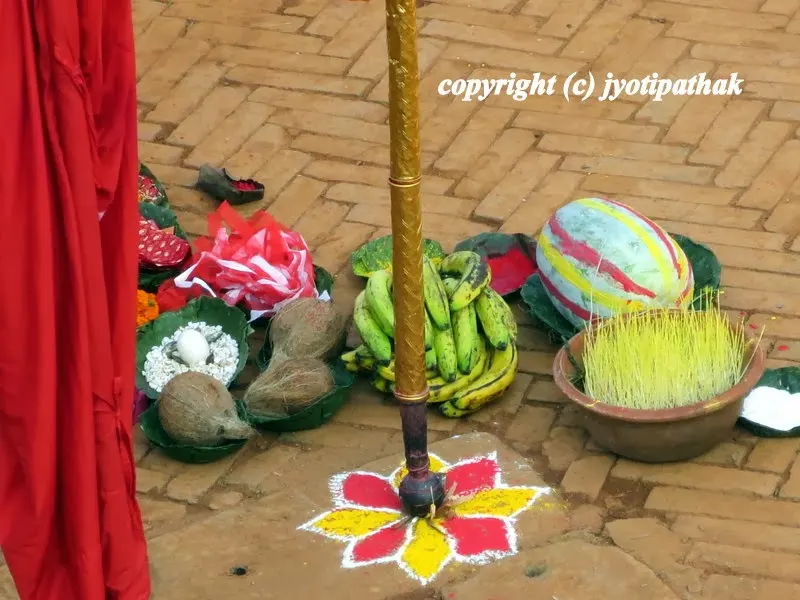
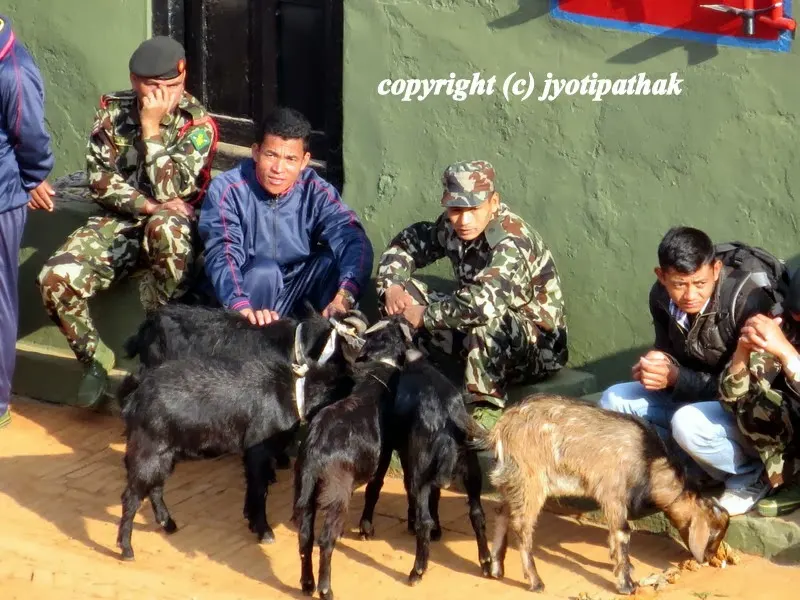
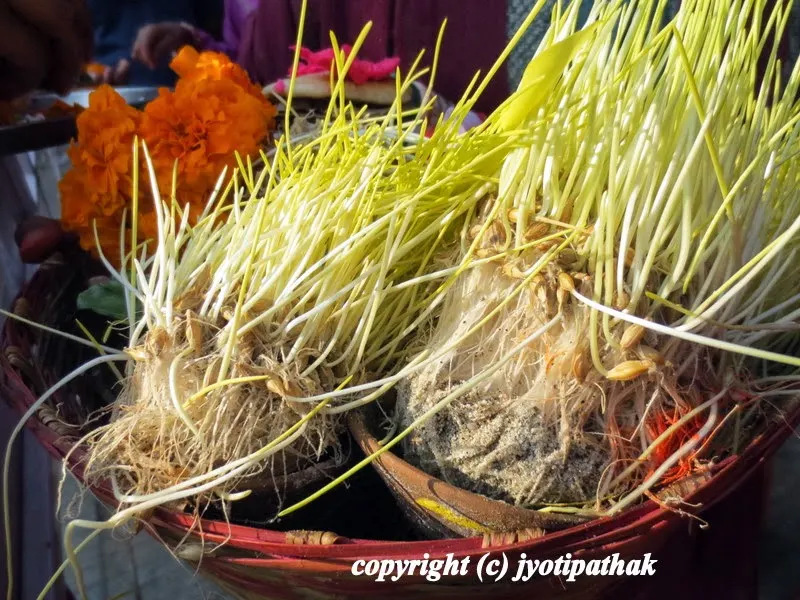
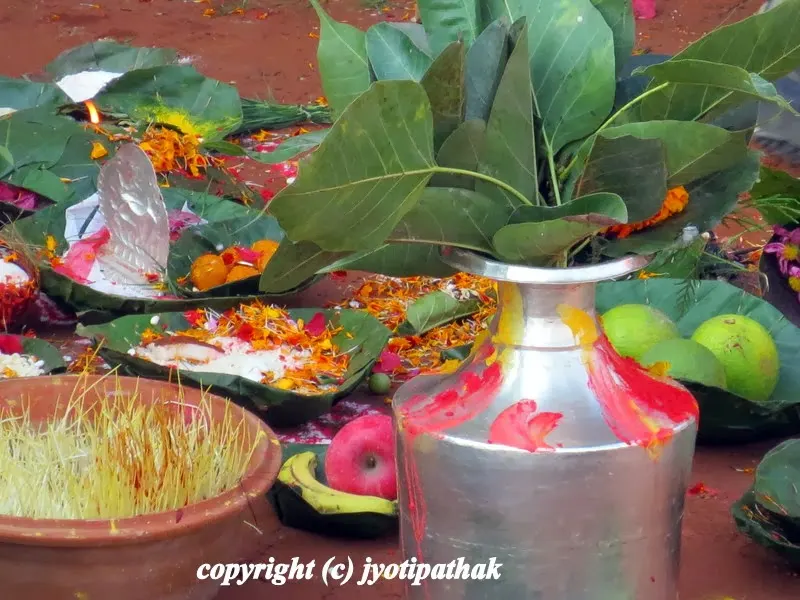
Planting your own Jamara (barley shoots)
Dashain is here, and with the first day of Ghatasthapana, every Nepali Hindu household will be sowing Jamara, the pale green shoots so essential for the festivities to be celebrated for the next 10 days thence. Read here more on the method of sowing Jamara....another interesting article from e-kantipur about Ghatesthapana, please click here to read.
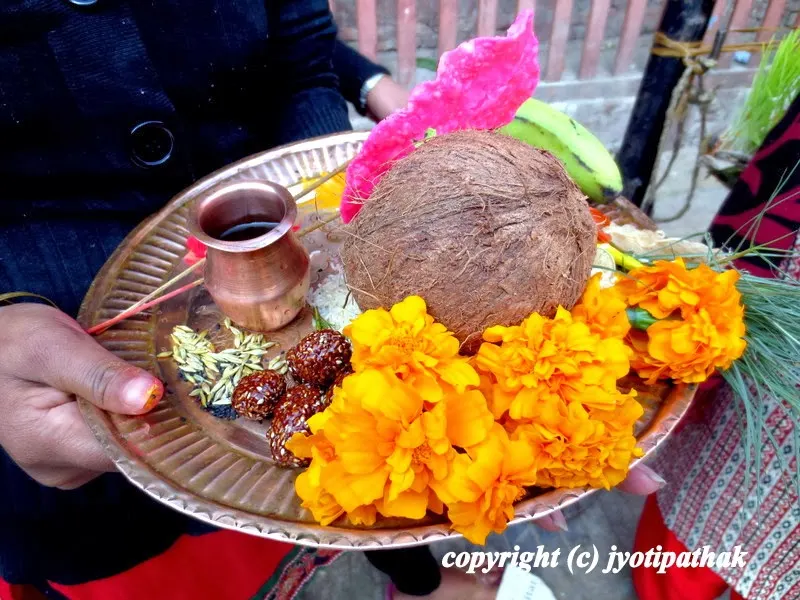
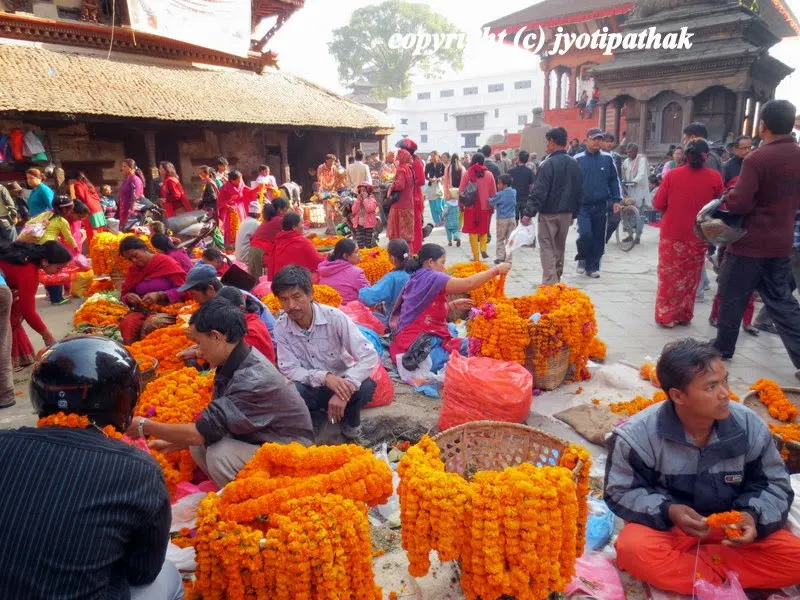
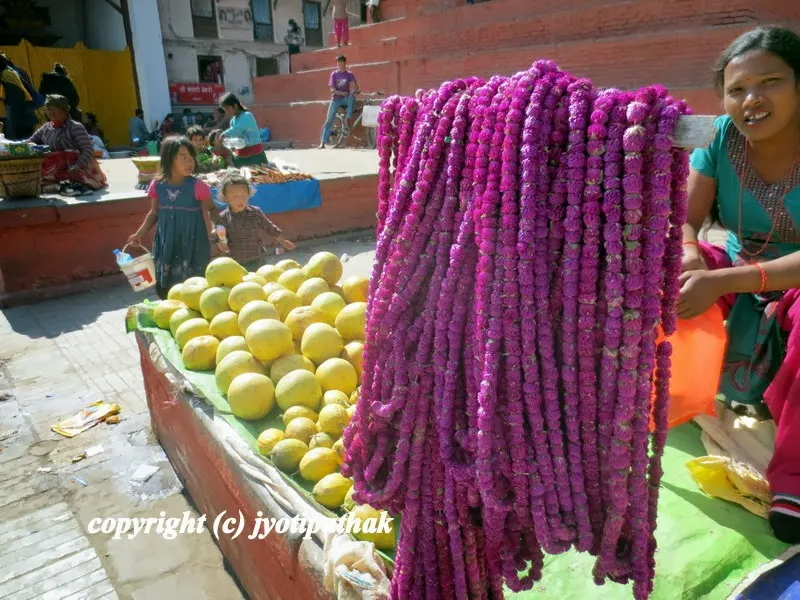
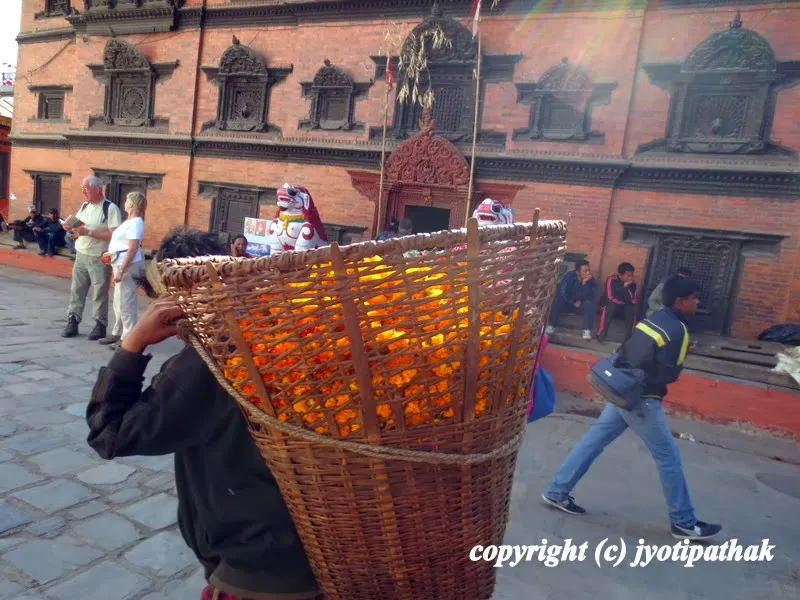
Capturing a picture of a simple village lady carrying sayapatri ko phool (marigold flower) in a doko (Nepali wicker woven basket)
Please turn to previous chapters to explore the pictorial blog of Happy Vijaya Dashami of Nepal.
Bijaya Dashami photo guide 2013 - (Part 1 of 3) Bijaya Dashami photo guide 2013 - (Part 2 of 3) Bijaya Dashami photo guide 2013 - (Part 3 of 3)
Copyright Information
All information on the Taste of Nepal blog are restricted use under copyright law. You may not re-use words, stories, photographs, or other posted material without the explicit written consent and proper credit to Jyoti Pathak. If you would like to use any materials here, please contact me.